Nidec asks its banks for ¥600 billion while its auditor still won't sign
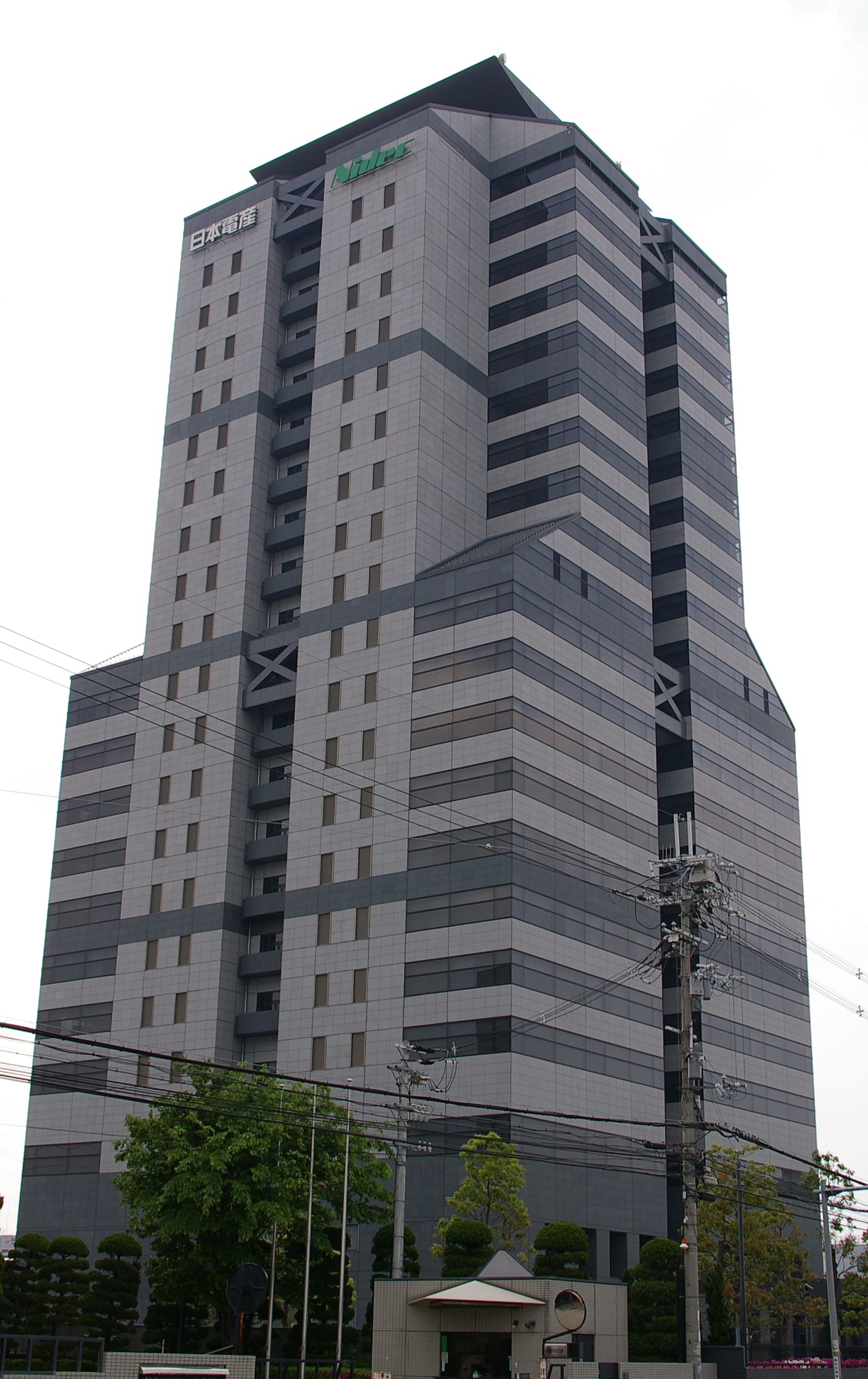
Nidec is negotiating to renew ¥600 billion ($3.8 billion) of committed credit lines with MUFG Bank and Sumitomo Mitsui Banking, 26 days before a Tokyo Stock Exchange deadline to file audited accounts or risk delisting. The books behind the renewal still carry PwC Japan's disclaimer of opinion.
 Vincent Jiang · 3 min read
The ask lands 26 days before the deadline
Nidec is in talks with MUFG Bank and Sumitomo Mitsui Banking to renew committed credit lines totaling ¥600 billion ($3.8 billion), with nothing decided, including the amount 1. The clock behind the ask: the Tokyo Stock Exchange wants audited statements by 28 October, with delisting attached, and has held the shares on special alert since October 2025 2.
Shareholders have already paid
Nidec paid no dividend for the year ended 31 March 2026, and a ¥22.96 billion dividend it had already handed out now exceeds what it was entitled to distribute 3. A committed line is a promise to fund, and that promise now backs a borrower whose books no auditor will certify.
Why the auditor still refuses
PwC Japan disclaimed an opinion on the fiscal-year accounts, citing insufficient evidence, continued inappropriate booking of costs, and officers tied to the earlier misconduct still sitting in the reporting chain 257. It also cannot verify that the impairments booked are enough 5.
Founder Shigenobu Nagamori demanded a 10% operating margin from all 350-plus subsidiaries and, when managers tried to mask failures, sought to hide internal suspicions of accounting fraud from PwC 5. He stepped down as chair emeritus in February 5.
A ¥632 billion haircut on a business that still grew
Nidec lost ¥564.6 billion net for the year ended 31 March 2026, on ¥632 billion of impairments concentrated in the EV drive business, while sales rose 3.9% to ¥2.709 trillion 24. Operating results swung from a ¥128.2 billion profit to a ¥519.0 billion loss 4.
Of the ¥1.1 trillion in write-downs booked this week, about ¥480 billion traces to the accounting irregularities 5. The charges fell hardest in the units now getting new bosses 3.
Three motor units took ¥488 billion of Nidec's ¥632 billion write-down
Data
| Value | |
|---|---|
| ACIM | ¥298.8B |
| NPe (auto motors) | ¥116.3B |
| NMOJ | ¥73.1B |
What the other side can say
The machine still sells. Third-quarter operating profit fell 31% to ¥28.4 billion on sales up 4.8%, led by the data-center cooling lines that feed AI computing 42. Guidance for the year to March 2027: ¥2.8 trillion of sales and ¥100 billion of attributable profit 4. Daiwa reckons the ex-charge business still made an operating profit 2.
New CEO Michio Kaida, installed after Mitsuya Kishida resigned over conduct around financial reporting 8, apologised on Thursday and has pledged audited statements this month; PwC Japan says it is working toward an opinion by end-October 6. Kaida is also shifting resources from appliances and cars toward energy infrastructure, AI-related products and semiconductors 6.
The shares closed Thursday down 10.8% at ¥2,100, about 27% off the week, valuing Nidec near $16 billion 45. None of it counts until the signature comes.
If 28 October passes unsigned
The renewal terms are not on the record; what two banks charge to stand behind unaudited books is the tell. Nothing published says whether the ¥600 billion sits undrawn or is already funding the company. Oasis Management has built almost an 8% stake, and a Bain- or KKR-scale take-private is the standing alternative to bank patience 5. The credit lines are a bet on a signature nobody has seen.
Deepdive
AI-generated from this story and its cited sources. Not investment advice.