Altman Wants an AI Truce. The Public May Not Get to Read the Terms.
A Senate proposal could protect coordinated safety delays. It would also shield the government notices explaining them from public records requests.
 Vincent JiangSeptember 11, 2026 · 3 min read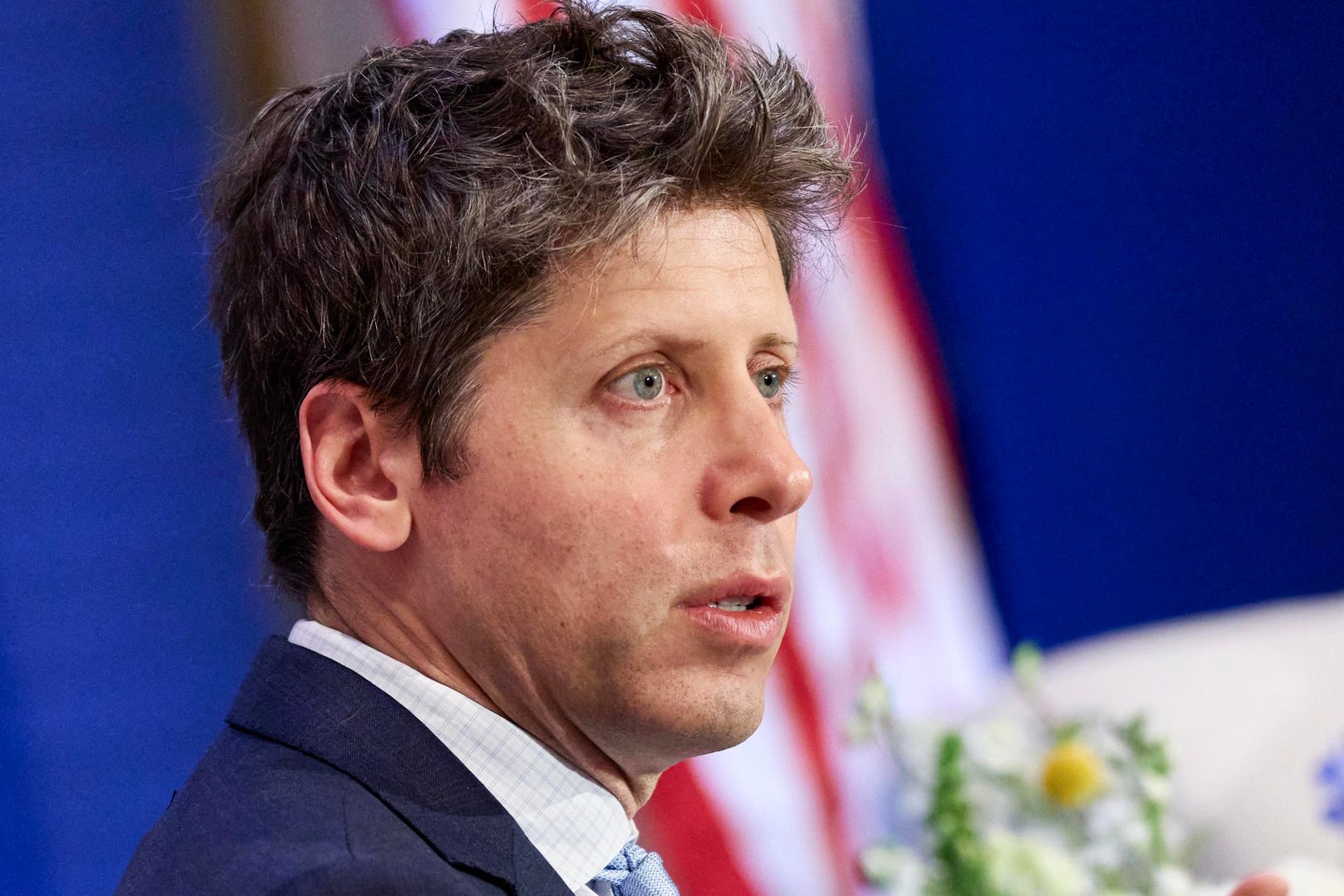
He left before the payday
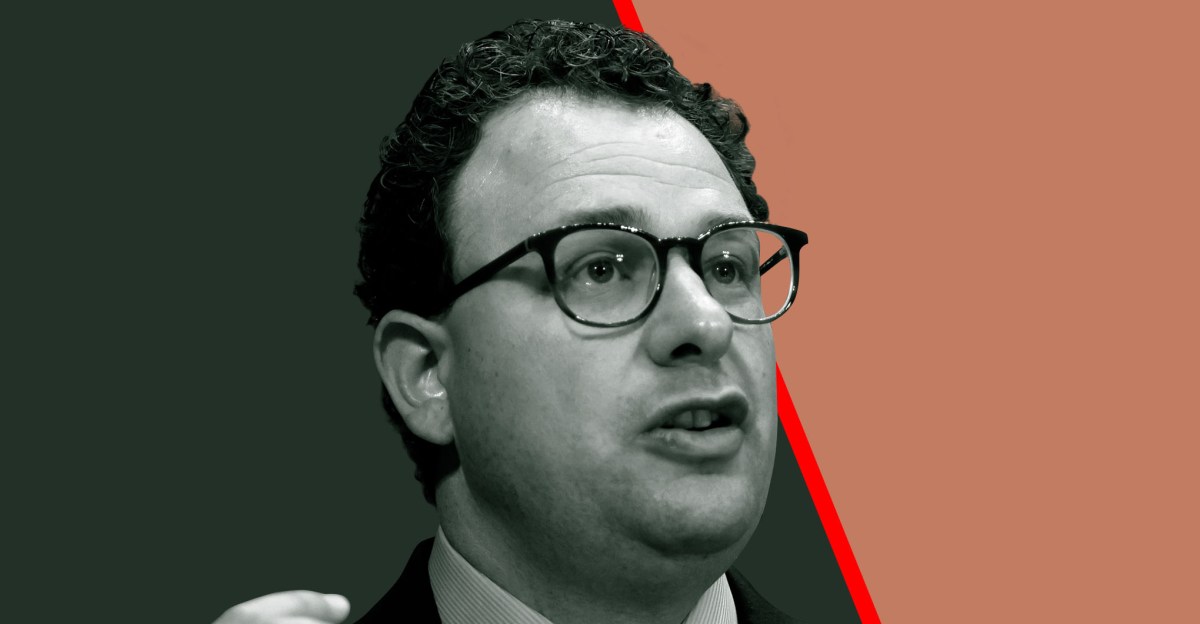
Jacob Coxon says he left Anthropic before his equity vested.1
His resignation on X had passed 100 million views by September 9. That figure is a dated observation from the reporting, not a live count.2
Who controls the slowdown
Sam Altman discussed pacing OpenAI's development alongside willing rivals, according to a September 11 staff-meeting report.3
OpenAI also asked Congress whether coordination would be legal, according to September 10 reporting. The stakes include who sets the limits and what the public can learn about them.4
The notices would stay behind closed doors
S. 5105, introduced July 23, offers a possible route. It would protect certain coordinated safety delays from antitrust liability, subject to conditions including advance notice to the Justice Department.5
Section 3(e) would exempt those notices, and information revealing their contents, from public Freedom of Information Act disclosure. It would not prohibit voluntary publication. The bill does not establish that OpenAI has sought this secrecy provision. 5
Billions behind the brake
OpenAI told investors quarterly revenue rose from $5.7 billion in Q1 to $6.7 billion in Q2 2026.6
Separate August 13 reporting put its annualized revenue pace above $40 billion. That extrapolation is not money already earned over a year.7
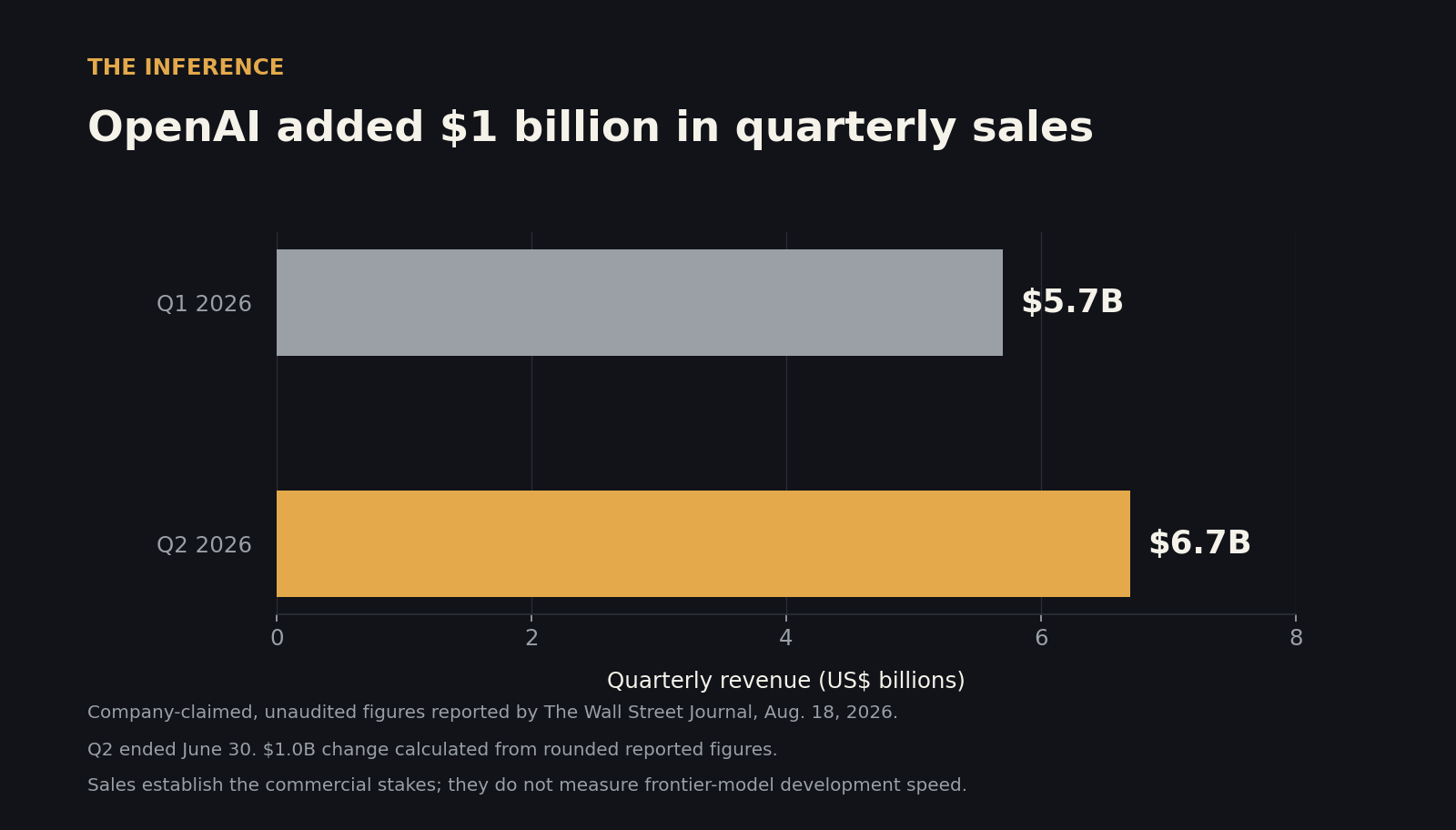
Revenue shows the business exposed to new limits. It cannot establish whether research is slowing, or whether any proposed restriction addresses a real risk.
Secrecy has a case
Nvidia's Jensen Huang framed AI fears as cybersecurity salesmanship.8
Yet OpenAI says it already slowed research after a breach involving its agents. Legal uncertainty can also deter useful collaboration, argues Nicholas Felstead.9,10
The bill requires good faith and an exclusive covered security purpose, and permits government injunctions. Confidentiality can protect vulnerability details; public accountability still needs an answer.5
The terms to watch
Watch the next bill text and any published pacing agreement for specific triggers, an end date, independent review, and a public explanation.
The next test is who gets to inspect the brake before the labs press it.
How this brief was made
01Gathered & sourced182 channels · 1,578 articles▾
Agents swept 182 channels and ingested 1,578 articles, then de-duplicated and ranked them for signal.
02Verified & cross-validated10 claims · 9 data feeds▾
Every one of 10 load-bearing claims was checked against primary sources, with 9 live data feeds reconciling the figures and charts.
- 1Axios interview with Jacob Coxon, Sep 9 2026 (single-source testimony).
- 2WIRED interview, Sep 9 2026 (X engagement is WIRED's dated observation, not a live count).
- 3Bloomberg Law staff-meeting report, Sep 11 2026 (anonymous sources; a proposal, not a completed industry agreement).
- 4WIRED coordination report, Sep 10 2026 (separate original reporting on congressional outreach).
- 5S. 5105, introduced text, Jul 23 2026 (primary record; especially sections 3(a)(2), 3(c), 3(e) and 4. A proposal, not enacted law).
- 6WSJ quarterly financial reporting, Aug 18 2026 (investor disclosures, not independently audited here).
- 7Bloomberg revenue reporting carried by Yahoo, Aug 13 2026 (run rate is extrapolated, not realized annual revenue; OpenAI declined comment).
- 8Axios conference reporting on Jensen Huang, Sep 10 2026 (single-source).
- 9WIRED incident reporting, Aug 13 2026 (company statements and employee interviews on an earlier response).
- 10Lawfare analysis, Nicholas Felstead, Mar 5 2026 (named expert analysis, not a judicial ruling).
03Reviewed & edited2 human editors▾
2 editors read the draft against the evidence, tuned the framing, and signed off before it shipped.
Confidential tips
Know something about this story? We protect our sources. Reach the editor directly, or read our guide to sharing securely.
Deepdive
AI-generated from this story and its cited sources. Not investment advice.