Apex, valued at $2.3 billion in June, now sells factories; Elveo Mobile is the first to sign
The satellite bus maker that raised $200 million at a $2.3 billion valuation in June is now selling dedicated production facilities to Elveo Mobile, the D2C challenger ABI Research crowned the sector's innovation leader on October 8.
 Vincent Jiang · 3 min read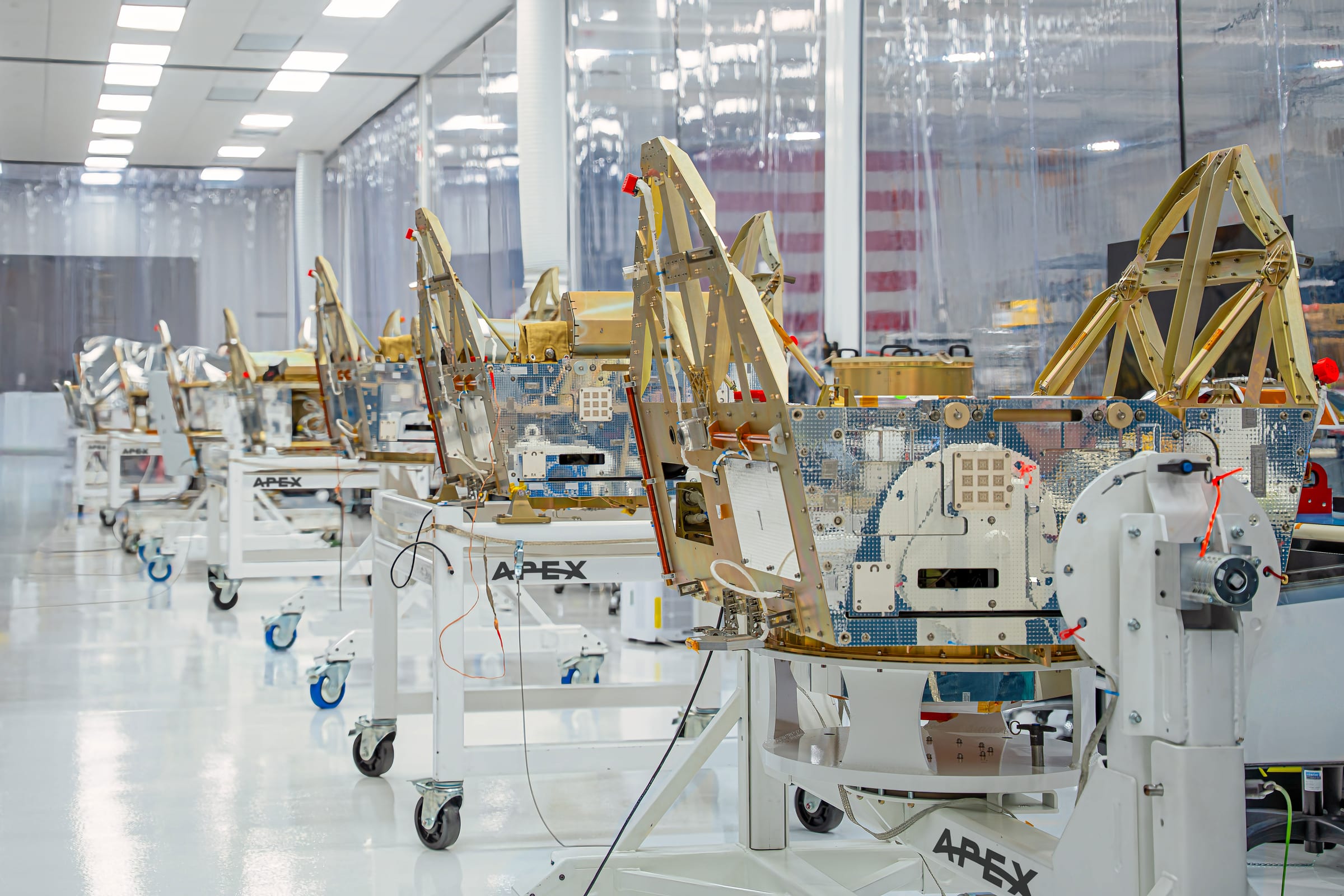
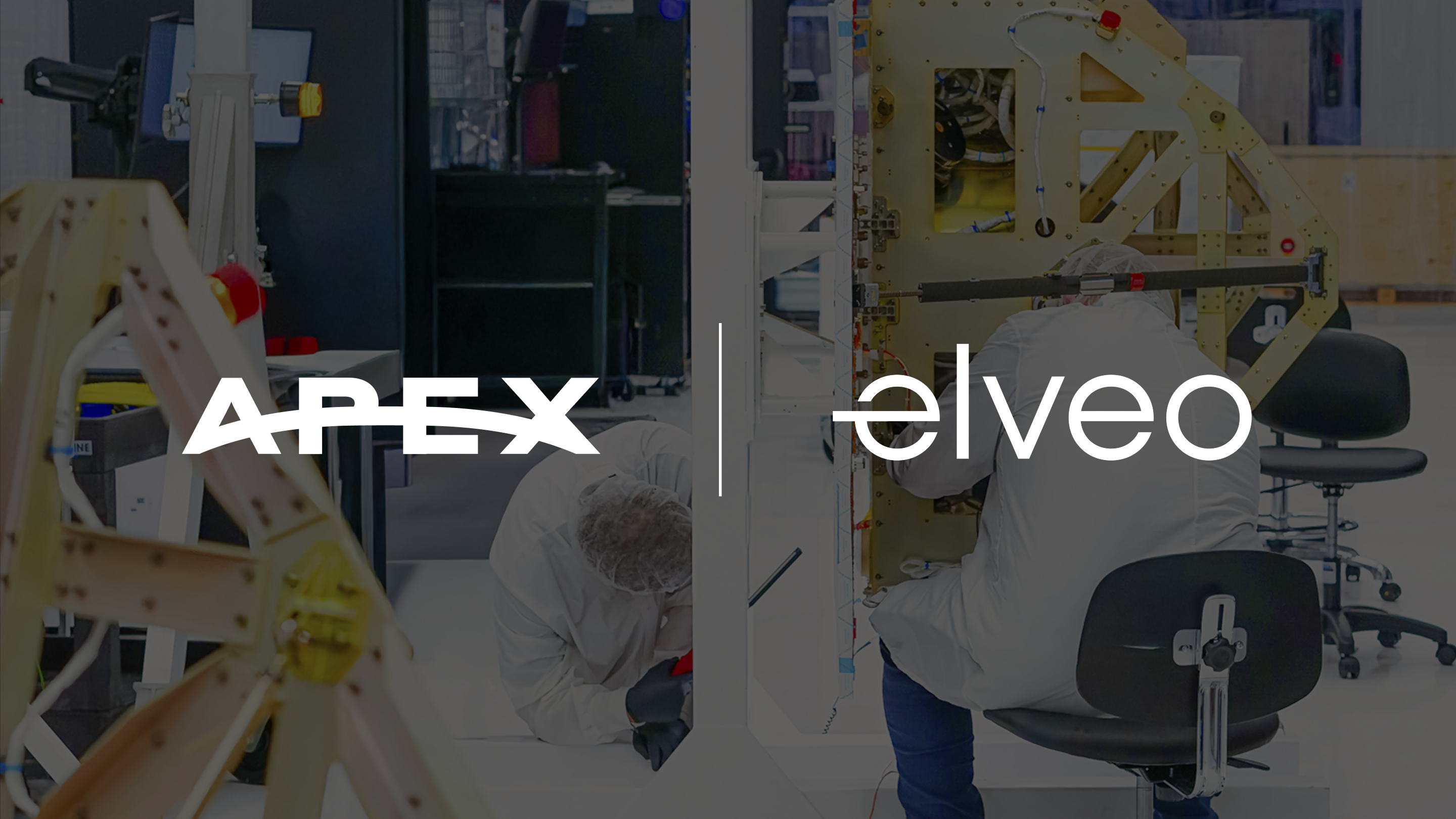
Apex, the Los Angeles satellite bus maker that raised $200 million at a $2.3 billion valuation in June 1, has quietly added a second product line: factories. On September 14, Elveo Mobile, the direct-to-device challenger formed from the Lynk and Omnispace merger with SES backing, announced a partnership to stand up a dedicated spacecraft factory in the US using Apex's "Factory X" model, then replicate it in Europe and Asia with regional partners 2. Weeks later, on October 8, ABI Research named Elveo the innovation leader in its D2C satellite service provider ranking and cited that manufacturing deal as part of the case 3.
The scale gap is the whole story
The ranking shows why Elveo needs a factory. Starlink, the leader, fields hundreds of direct-to-cell satellites and more than 150 ground stations, and ABI estimates Starlink Mobile generated $276 million in end-user connection revenue in 2025 3. Skylo ranks second on commercial footprint and live services. Elveo's assets are different in kind: 50-plus MNO partners, 60 MHz of priority MSS spectrum and a multi-waveform reconfigurable architecture, not a fleet in orbit 3. ABI analyst Rachel Kong calls Elveo "the dark horse" in the ecosystem 3. On Apex's pitch, owning production closes that hardware gap faster than waiting on traditional bus supplier timelines: "By partnering to stand up a dedicated production facility, we're leveraging Apex's deep expertise in mass manufacturing spacecraft platforms to deploy Elveo's constellation years ahead of traditional bus supplier timelines," said Apex co-founder and CEO Ian Cinnamon 2.
Starlink books $276M; Elveo's answer is partners, spectrum and a factory
- Estimate
Data
| Value | |
|---|---|
| Starlink D2C revenue, 2025 ($M) (estimate) | 276 |
| Elveo MNO partners | 50 |
| Elveo MSS spectrum, MHz | 60 |
| Apex Factory One, buses per year | 200 |
Factory X turns Apex from bus vendor to production platform
For Apex, the deal converts its June raise into booked, constellation-scale production and adds a revenue line no traditional supplier offers: factory-as-a-service, where Apex equips a customer to operate its own production facility, on top of the platform sales the company already books. "This partnership not only puts us in control of our own development destiny and cost structure but also allows us to create high-tech economic opportunities internationally," said Elveo CEO Ramu Potarazu 2. Elveo plans to use the US blueprint to expand manufacturing into Europe and Asia with regional partners, replicating the model rather than renting Apex's floor 2. Apex's own site puts Factory One in Los Angeles at over 200 buses per year of peak capacity on a 130,000-square-foot floor 4, and the company has raised more than $500 million in total per its own job postings 5. The figure to watch: whether Factory One actually sustains 200 buses per year with Elveo work in the queue.
Consolidation makes independent production newly valuable
The timing is not accidental. ABI notes a consolidation wave, including Amazon's+3.33% — Amazon, up 3.33 percent today acquisition of Globalstar and Rocket Lab's acquisition of Iridium, reshaping the field into 2027, and expects mergers and spectrum deals to continue 3. Every independent constellation that survives that wave needs production capacity it controls, and Apex is positioning to sell it. The unprovable part, stated plainly: neither company discloses the contract's value or margins, so the investor case rests on throughput and marquee customers, not booked revenue.
Deepdive
AI-generated from this story and its cited sources. Not investment advice.