ASE is spending $10.5 billion before the AI money arrives
ASE Technology, the world's largest chip packer, lifted 2026 capital spending to about $10.5 billion and expects negative cash flow "for some time" while its shares sit near a record after quadrupling in a year. Its biggest customers are building rival packaging capacity at the same time.
 Vincent Jiangthree-minute read
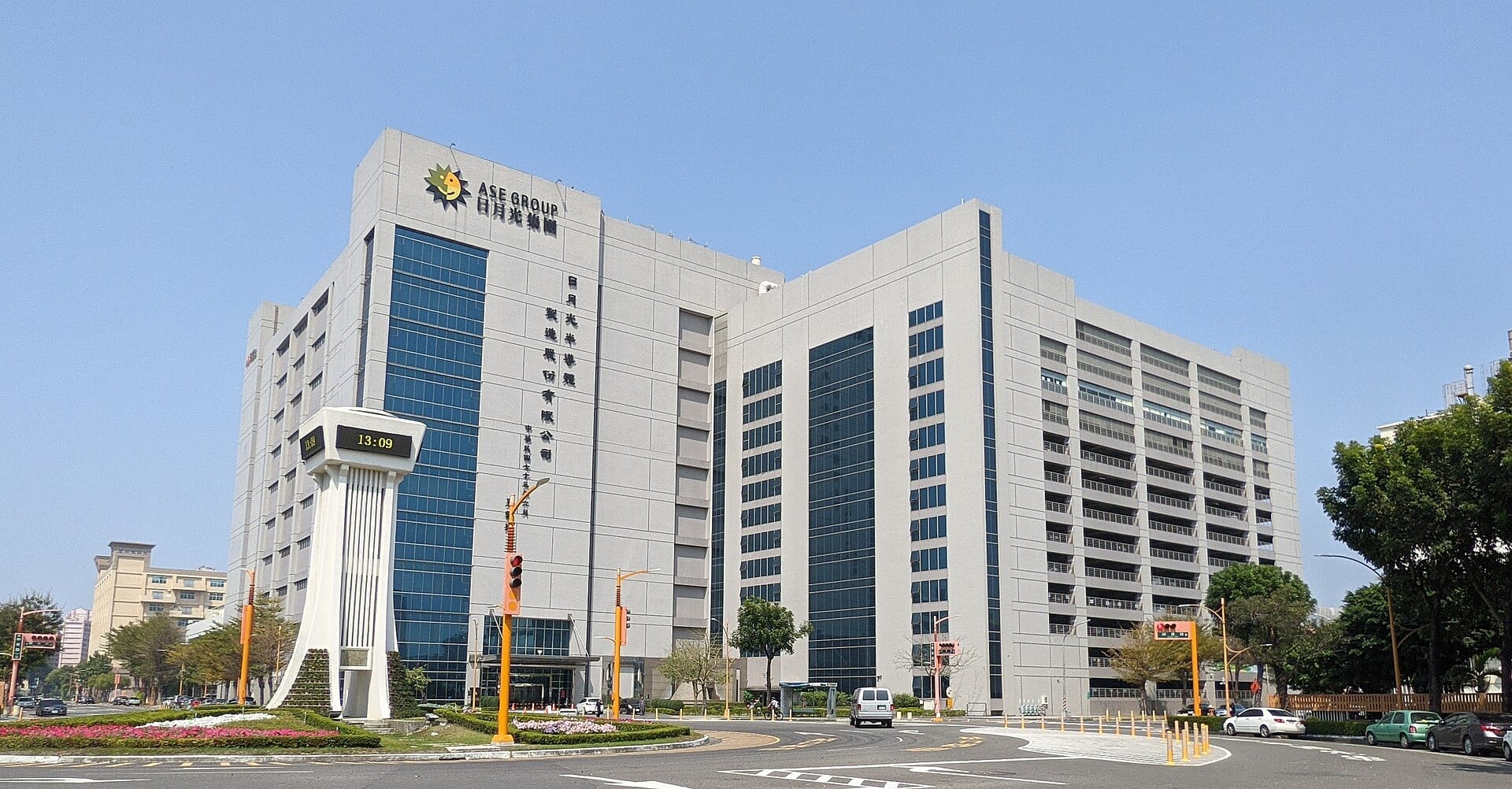
The world's chip packer has doubled down
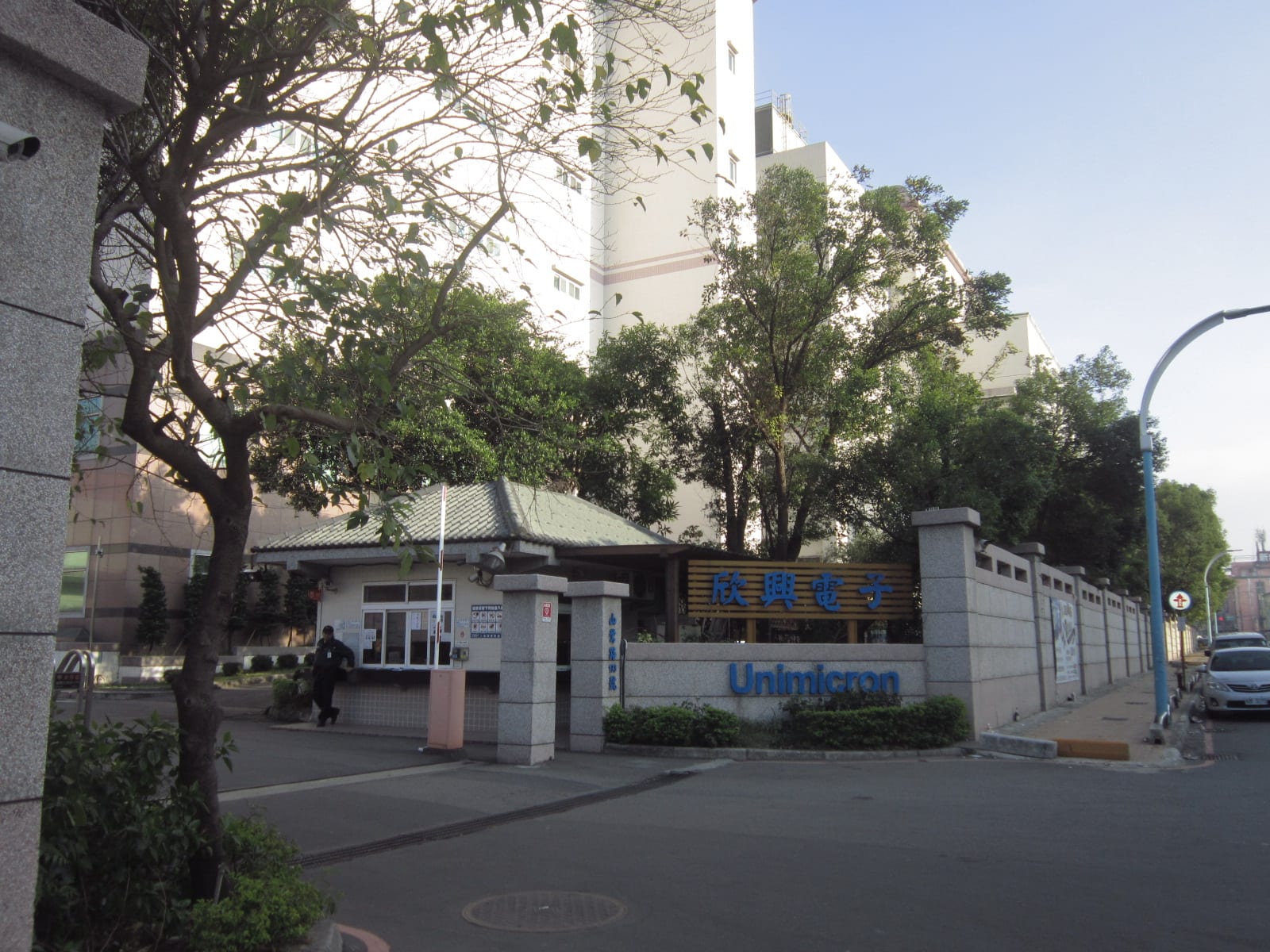
On 30 July 2026, ASE Technology, the world's largest chip packaging and test house, added $2 billion to its 2026 capital budget, taking the plan to about $10.5 billion: $4 billion for plants, $6.5 billion for equipment, across 13 greenfield and eight brownfield sites 12. Its subsidiary SPIL is a major packaging supplier for Nvidia's−3.98% — Nvidia, down 3.98 percent today AI chips 1, and the market has already paid for the bet: the New York shares have climbed from a 52-week low of $10.93 to $45.51 3.
The demand is real, and mostly booked
Second-quarter revenue rose 27 percent to T$191.06 billion, and net income jumped 180 percent 1. LEAP, the leading-edge packaging line at the center of the raise, is tracking ahead of its $3.5 billion target for 2026, and chief financial officer Joseph Tung aims to double that revenue in 2027 1.
The constraint is not orders: factories ran at 80 to 85 percent utilization, capped by how fast tools can be installed 2. Capex is the only lever left, and its capacity arrives into 2028 and part of 2029, so the $10.5 billion chases 2027 and 2028 revenue, which analysts put at $32.20 billion next year alone 25.
Revenue is up 16 percent year on year and net income up 157 percent
- Revenue
- Net income
Data
| Revenue | Net income | |
|---|---|---|
| Q3 '24 | $5.07B | $0.31B |
| Q4 '24 | $4.95B | $0.28B |
| Q1 '25 | $4.46B | $0.23B |
| Q2 '25 | $5.16B | $0.26B |
| Q3 '25 | $5.53B | $0.36B |
| Q4 '25 | $5.69B | $0.47B |
| Q1 '26 | $5.43B | $0.46B |
| Q2 '26 | $5.99B | $0.66B |
The cash leaves before the revenue arrives
Management expects negative cash flow to persist "for some time" under the heavier budget 2. It already does: capex outran operating cash in five of the last eight quarters, and the second quarter of 2026 burned $1.03 billion of free cash flow 6.
Capex has outrun cash generation since early 2025
- Capex
- Free cash flow
Data
| Capex | Free cash flow | |
|---|---|---|
| Q3 '24 | $0.63B | $0.07B |
| Q4 '24 | $0.98B | $0.1B |
| Q1 '25 | $1.09B | -$0.49B |
| Q2 '25 | $1.48B | -$0.21B |
| Q3 '25 | $1.47B | -$0.99B |
| Q4 '25 | $1.21B | $1.06B |
| Q1 '26 | $1.38B | -$0.25B |
| Q2 '26 | $2.51B | -$1.03B |
The money is moving daily; one unit bought NT$1.33 billion of machinery on 22 September and NT$1.79 billion more the prior week 7. The shares pay 23.46 times forward earnings against an industry average of 13.52 2, and Zacks upgraded them to strong buy on 22 September 3.
ASE trades at 23 times forward earnings against an industry average of 13.5
Data
| P/E multiple | |
|---|---|
| Forward P/E | 23.46x |
| Industry average | 13.52x |
| Mid-point of 52-week range | 16.5x |
A day after the upgrade, the stock fell 3.3 percent on profit-taking and scrutiny of the expanded capex plan 8; insider selling is tracked above $300 million, with no open-market purchases 8.
The GPU designers booked the boom; the packers prepaid for it.
The customers are building the same capacity
TSMC−6.17% — TSMC, down 6.17 percent today, whose advanced packaging carries AI chips designed by Nvidia, AMD−5.53% — AMD, down 5.53 percent today and Broadcom−3.84% — Broadcom, down 3.84 percent today, broke ground on 21 September on a Kaohsiung park where its facilities begin operations in late 2029 9. Institutional investors estimate its CoWoS capacity will double to 260,000 wafers a month by the end of 2028, while ASE and Amkor together add the equivalent of 110,000 10.
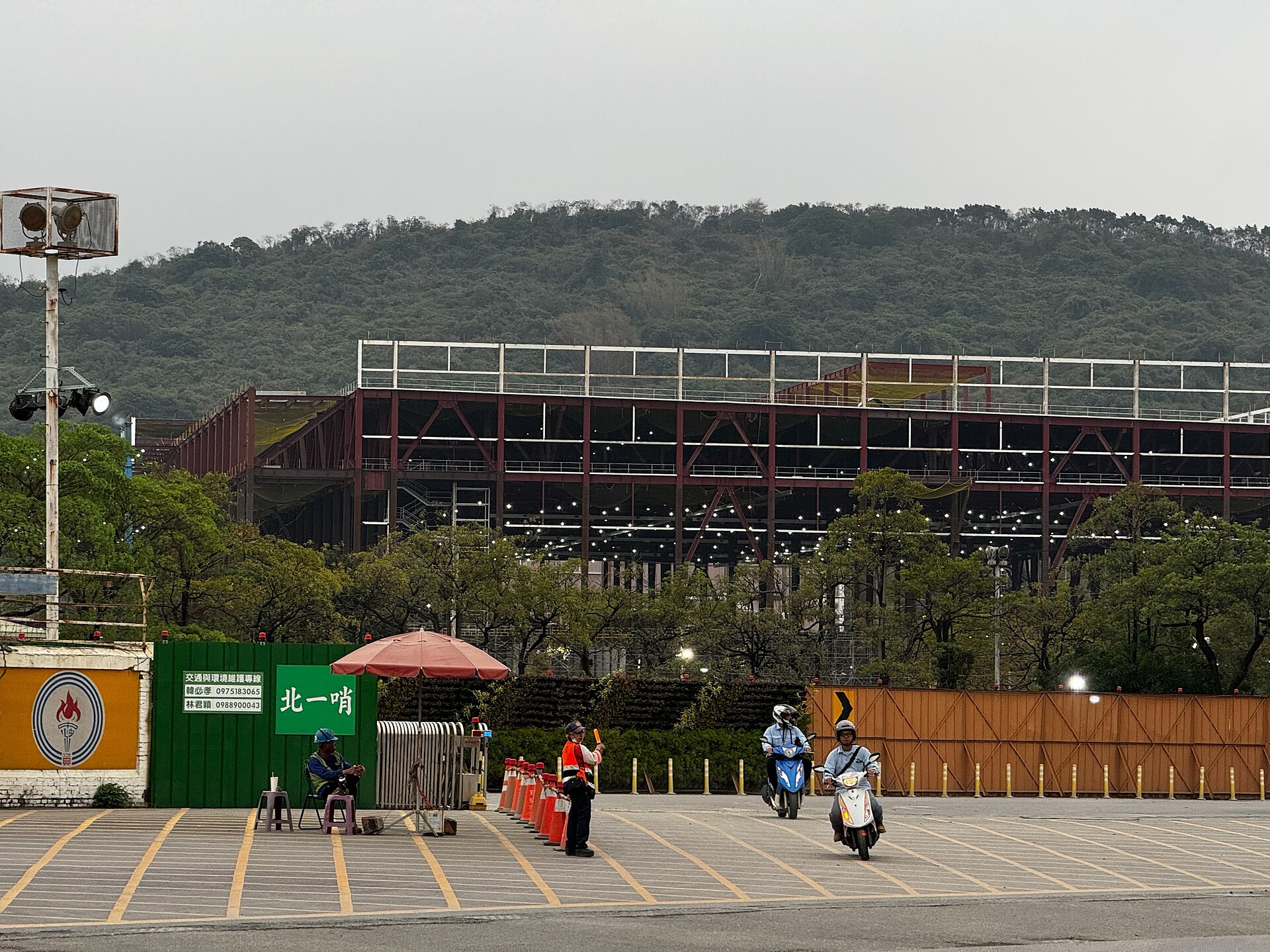
Amkor lifted its Arizona campus to about $12 billion on 8 September, with phase two building from late 2027 11, and Intel−6.96% — Intel, down 6.96 percent today is spending past $20 billion with EMIB-T packaging reaching volume in 2027 2. ASE is adding CoWoS capacity of its own in Douliu, operating from 2028 10. Most of everyone's new capacity lands in 2028 and 2029, together 2910.
TSMC's CoWoS additions dwarf what ASE and Amkor plan together
- Monthly CoWoS capacity added by end-2028
- Estimate
Data
| Monthly CoWoS capacity added by end-2028 | |
|---|---|
| TSMC (estimate) | 260K wafers/month |
| ASE and Amkor together (estimate) | 110K wafers/month |
| Also on the way, from 2027 to 2029 (estimate) | 0K wafers/month |
What decides the bet
Watch LEAP against its $3.5 billion floor, and whether the 2027 doubling survives customers who now own packaging plants. The next tell is SPIL's Arizona decision, expected soon 10; Amkor has already signed a 10-year packaging tie with TSMC in the same state 10. If AI demand digests, the idle cleanrooms sit with the packers, not the chip designers.
Get Chips by email, free
How AI demand is reshaping chipmakers, memory and the fabs behind them. In our daily email, every weekday.

Reader comments
0 comments