Bolna claims 1,050 paying customers against July's 2,500 as it targets $5 million of revenue
Bolna has published the architecture behind Graph Agents, which split each call into single-job nodes instead of one long prompt. It is the product form of the complex enterprise workflows the company expects to carry it to $5 million in annual revenue.
 Vincent Jiangthree-minute read
A collections agent nails the greeting and forgets to verify identity. Bolna's diagnosis, in the first of two posts published this week: the instruction sat buried in a prompt "a kilometre long", and the model skipped it 1. The answer is Graph Agents: the call becomes a graph of nodes with one job each, joined by transitions with a defined routing order and per-node control 12.
Rules and cached audio cost almost nothing; each LLM step adds hundreds of milliseconds
Data
| Value | |
|---|---|
| Static audio node | ~50 ms |
| Routing LLM | 150 to 300 ms |
| LLM node | ~800 ms |
Rules are fast and free
A static node serves pre-generated audio in about 50 milliseconds against roughly 800 for an LLM node, and a rule match moves the call in under a millisecond at no LLM cost; only when no rule matches does the routing LLM step in, at 150 to 300 milliseconds 2. Rules are fast and free; model steps are neither.
The complex call is where the money is
Graph Agents have been in the product since a changelog entry dated May 4, 2026 3. This week's posts are the build guide and the sales argument in one, aimed at exactly the deployments described in July: complex sales and support flows with multiple branches, graph-based agents and tool-calling, replacing the onboarding and survey calls of a year ago 4.
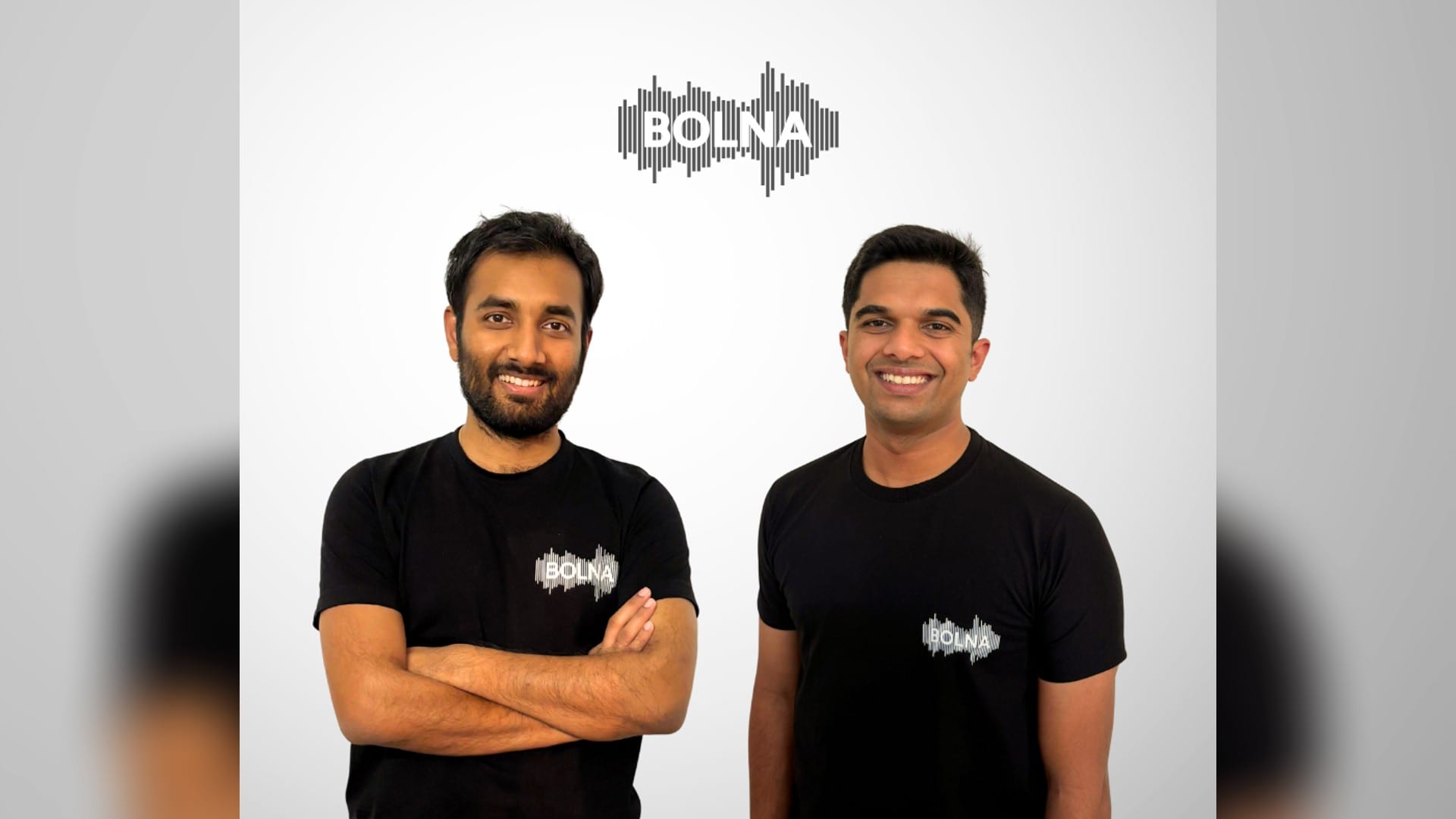
In pilot, those flows carry contracts worth more than $500K a year, feeding a claimed path to $5M in ARR in the coming months on four to five enterprise pilots nearing production 4. Y Combinator rejected the application five times before Maitreya Wagh and Prateek Sachan could show more than $25K of monthly revenue, and the company was on the verge of $700K in ARR by January 5.
Claimed annualized revenue tripled from January to July; the target asks for another 2.4 times
- Claimed annualized revenue
- Estimate
Data
| Claimed annualized revenue | |
|---|---|
| Jan 2026 | $0.7M |
| Jul 2026 | $2.1M |
| Target, late 2026 (estimate) | $5M |
One count that will not reconcile
A July profile claimed more than 2,500 paying customers, including around 100 enterprises, on nearly $175K of monthly revenue at gross margins above 50% 4. This month's two hiring listings claim 1,050+ paying customers and profitability on 4M+ conversation minutes a week; the home page says 1,000+ companies 678. The counts do not reconcile and the record offers no explanation: if October's figure is the real one, the base under the $5M path is thinner than July's claim suggested.
October's claimed customer count is less than half July's
Data
| Claimed paying customers | |
|---|---|
| Jul 2026, Inc42 profile | 2,500 |
| Oct 2026, job listings | 1,050 |
| Oct 2026, home page | 1,000 |
Reliability is at least being measured: a Bengaluru internship has humans listen to real calls and confirm whether the automated LLM-as-judge graders really caught the barge-in or interruption they flagged 6.
Squeezed from both sides
Graph tooling is no longer a solo act. Retell AI billed its June 29 release as the first graph-native review system for production voice agents, on a platform claiming 55M+ AI phone calls a month 9. The orchestration cohort is crowded: Vapi$130M — Vapi, private, latest valuation $130M, LiveKit and VoiceRun are named comparables 5.
Above them, ElevenLabs~$3.3B — ElevenLabs, private, latest valuation ~$3.3B says global ARR has crossed $600M, enterprise is 55% of its business, and it will spend "hundreds of millions of dollars" building models and engineering in India 1011. The middle layer's answer is model neutrality: customers switch models per locale without rebuilding 5, which matters where no single model wins every Indian language 4.
What has to show up by November 20
The tell at Bolna's November 20 Symphony summit is conversion, not architecture 12: four to five enterprise pilots nearing production and whether the guided $5M of ARR arrives 4. No company here is public; the marks sit on venture books, General Catalyst's seed and Y Combinator's stake among them 5. Graph Agents is Bolna's bet that a call's logic outlives whichever model runs it. The market prices that belief in contracts, not in nodes.
Get Applications by email, free
How AI is changing the software people and companies use. In our daily email, every weekday.