Chime pays $590 million to own its sponsor bank; Block's charter bid rests on an OCC rule now in court
Chime is paying about $590 million, or 1.5 times book, to own its sponsor bank; Block is applying for a trust charter through the same OCC, now sued by community bankers over 21 charters, 13 of them crypto firms. The lawsuit's outcome splits the risk between the two stocks very differently.
 Vincent Jiang · 3 min read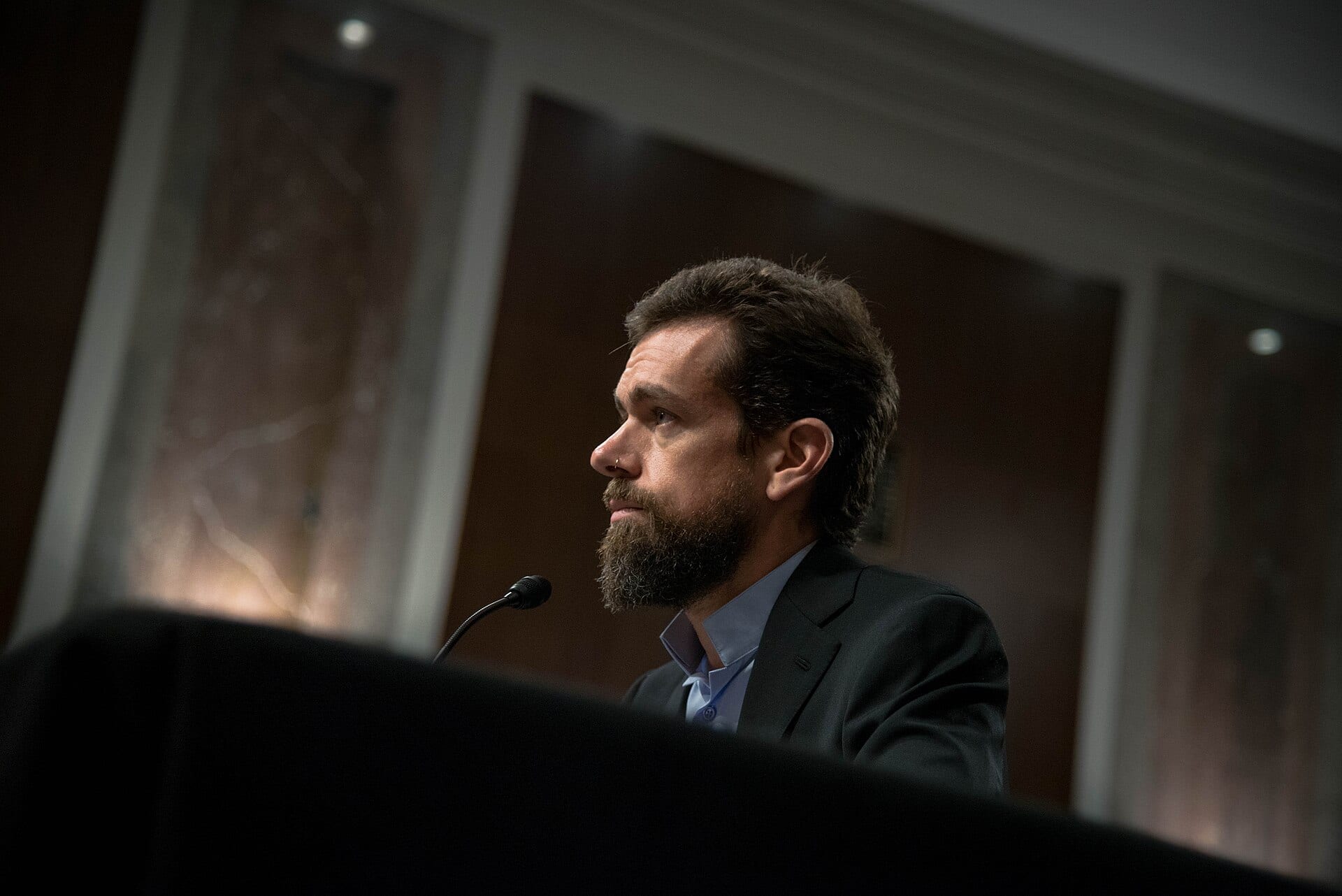
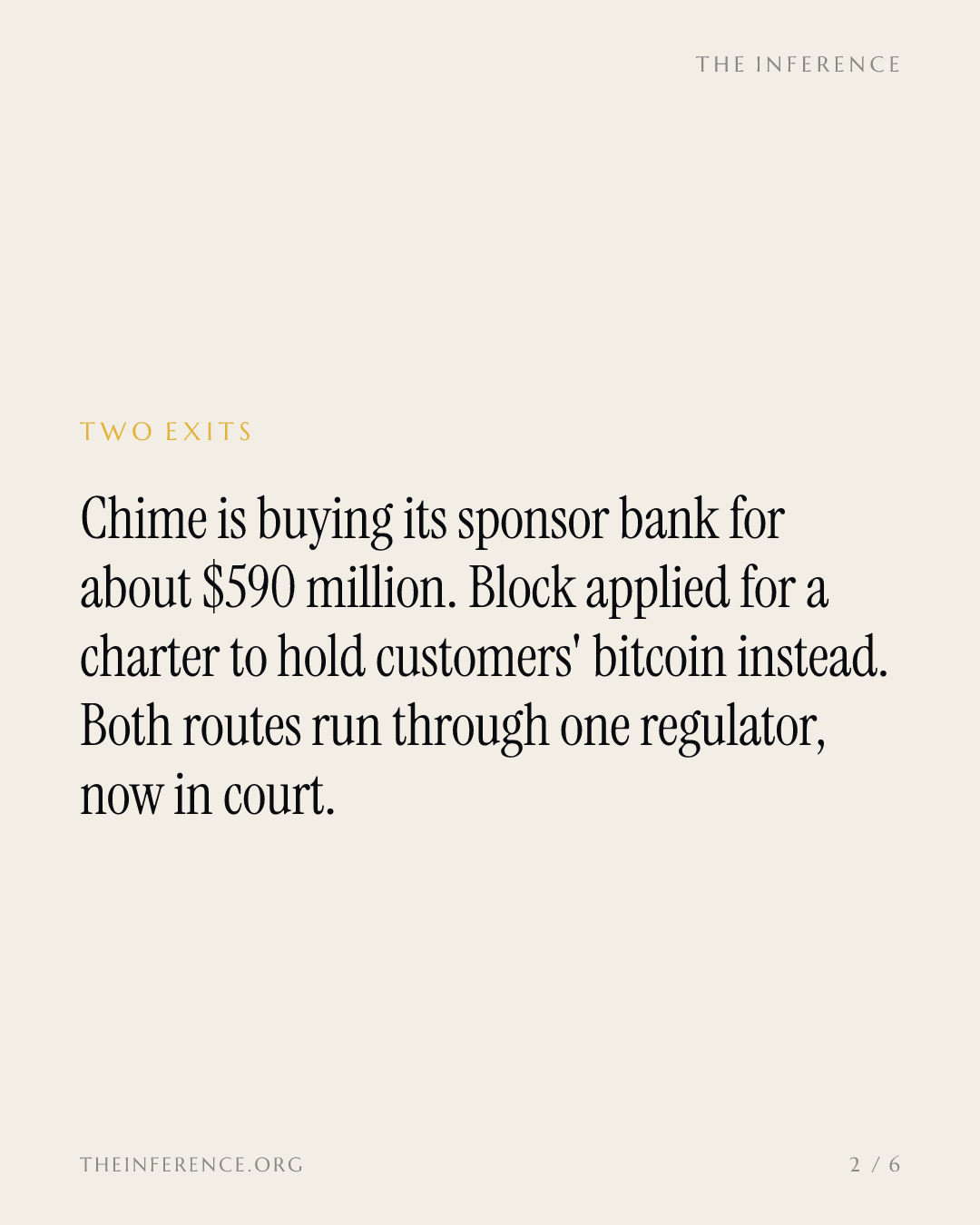
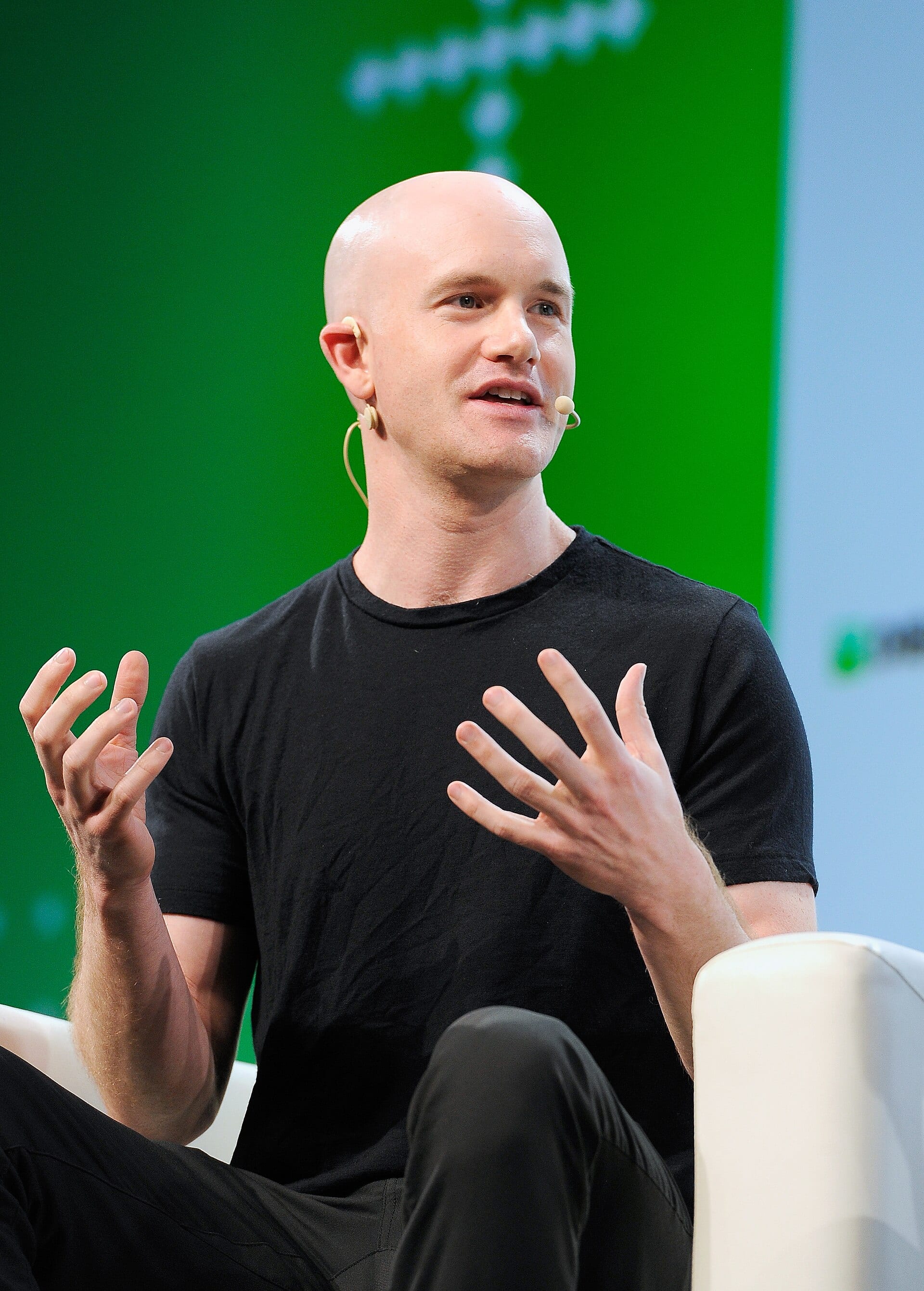
Two fintechs just chose opposite exits from the same dependency. Chime, which has never held its own banking charter, agreed on September 8 to buy its sponsor of seven years, Stride Bank, for about $590 million in cash, roughly 1.5 times tangible book value 2. Block, which owns its industrial bank but still leans on intermediaries for digital assets, filed with the Office of the Comptroller of the Currency the same day to charter Builders Bank & Trust, an uninsured national trust bank that would take no deposits and make no loans, and would custody bitcoin and stablecoins instead 5.
Cheaper funding for Chime, faster lending for Block
Chime projects more than $100 million in annual net synergies from cutting sponsor-bank fees, expanded lending and cheaper funding, with the deal closing in the first half of 2027 pending OCC and Federal Reserve approval 3. Management intends to keep assets under $10 billion to stay exempt from federal debit-interchange caps, and more than 10 million active members sit behind the switch 3. Block's consumer engine is accelerating underneath its bid: Cash App volume grew 17% year over year to $56.5 billion in the second quarter, consumer-lending originations grew 59% to $18.9 billion 4, and the filing landed the same week Cash App launched a Bitcoin bonus paying up to 2% a year on holdings, funded directly by Block with no lockup 4.
Chime's revenue rose 59% in eight quarters, the scale behind buying its bank
Data
| Revenue | |
|---|---|
| Q3 '24 | $421.87M |
| Q4 '24 | $475.21M |
| Q1 '25 | $518.74M |
| Q2 '25 | $528.15M |
| Q3 '25 | $543.52M |
| Q4 '25 | $596.36M |
| Q1 '26 | $647.39M |
| Q2 '26 | $669.77M |
Cash App originations grew 59% in the year to Q2, over three times the pace of volume
- Cash App volume
- Consumer loans originated
Data
| Cash App volume | Consumer loans originated | |
|---|---|---|
| Q2 2025 | $48.3B | $11.9B |
| Q2 2026 | $56.5B | $18.9B |
One regulator, now in court
The complication is that both routes run through a regulator under fresh legal attack. On October 2 the Independent Community Bankers of America sued the OCC in the U.S. District Court for the District of Columbia, challenging the agency's March 2026 chartering rule, Interpretive Letter No. 1176 and Protego's conditional approval 6. The complaint counts 21 national trust banks approved under the disputed framework, at least 13 of them crypto firms 6. Crypto platform Rain filed its own trust-charter application this week, straight into the contested lane 1.
Chime bought a bank; Block applied for a charter
Chime's purchase is a different statutory route. It is acquiring an existing full national bank, chartered, deposit-taking and FDIC-insured, and the suit targets the trust-charter framework, not ordinary bank acquisitions 6. Even a win for the ICBA leaves Stride's shareholders paid and the routing numbers intact 2. Block's bid is the exposed one: it is an application, not an acquisition, and it depends on the very rule in litigation 56.
The D.C. docket and Block's earnings call decide the gap
The OCC docket, the D.C. court's first moves, and Block's third-quarter earnings call, where the charter's status is the question to put to management. If the charter lane holds, Block internalizes custody and settlement and Chime pockets sponsor fees. If it does not, the gap between XYZ and CHYM gets repriced.
Further reading: Bankers sue to void the OCC rule behind 21 trust charters (The Inference, October 6, 2026).
Deepdive
AI-generated from this story and its cited sources. Not investment advice.