Commerce takes equity in Helion at its $15.5 billion Series G value, plus up to $175 million for chip R&D
The Commerce Department will hand Helion up to $175 million and take equity priced at the startup's $15.5 billion Series G, while Commonwealth Fusion Systems gets less than half. The money funds the high-voltage power electronics that fusion generators and AI data centers both need.
 Richard Tang · 3 min read
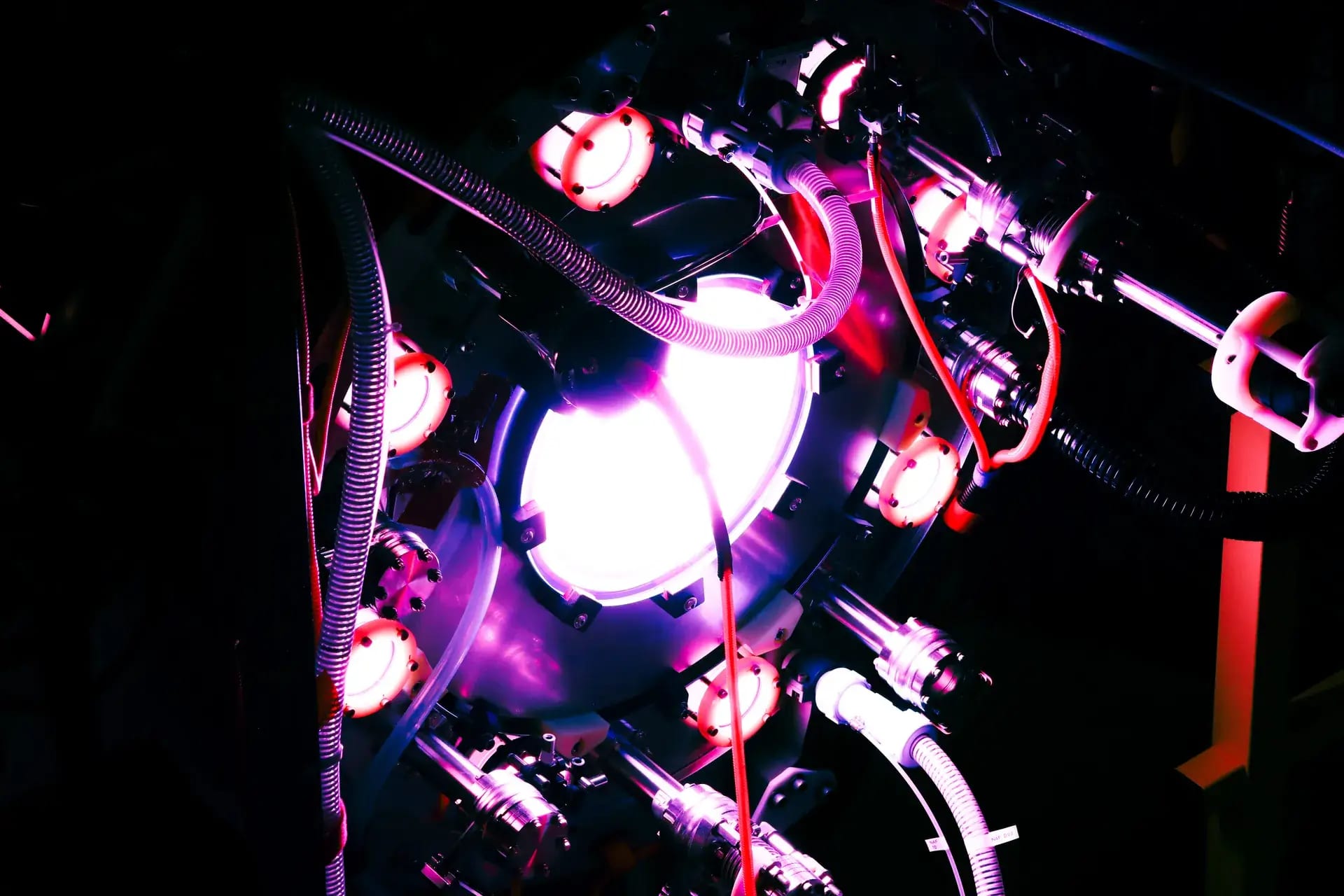
The United States government became a shareholder in a private fusion startup on Thursday, and it paid the startup's own price. The Commerce Department signed letters of intent for up to $389 million in CHIPS R&D awards to four companies, taking a minority, non-controlling, non-voting equity stake in each as a condition 14. Helion$425M — Helion, private, latest valuation $425M, the Washington-state fusion company chaired by OpenAI's$1.18T — OpenAI, private, latest valuation $1.18T Sam Altman, takes the largest slice: up to $175 million, with $50 million of companion private investment on top 2.
Washington is paying Helion's private price
The fine print is the story. To enhance the return for the taxpayer, Commerce would receive a $175 million non-voting interest in Helion based on its most recent Series G preferred stock valuation 2. That Series G, closed over the summer at $500 million raised, valued the company at $15.5 billion 36.
A federal stake struck at a private-market price is an anchor for every Helion share that trades before an IPO, and the split itself is a mark: $175 million for Helion against $85 million for Commonwealth Fusion Systems is the first outside pricing of the two leading fusion bets against each other 1.
The money buys a supply chain, not a reactor
Helion says the high-voltage semiconductors its machines require are currently available only from overseas manufacturers, which is the constraint this award attacks 2. Most of the $175 million funds semiconductor R&D and manufacturing in Everett, Washington, with about $80 million going to tooling work with an industry partner in Vermont 2.
The other three awards sit on the same layer: Commonwealth gets chips for plasma heating and diagnostics, Vertical Semiconductor gets $73 million for gallium-nitride power chips meant to demonstrate a 2.5-megawatt AI data center rack, and Sibelco gets $56 million to purify the quartz the chip industry depends on 1. This is the 20th award from a $10 billion CHIPS R&D fund that has already made 19 grants 7.
Helion's CHIPS award is twice the size of its fusion rival's
Data
| Value | |
|---|---|
| Helion | $175M |
| Commonwealth Fusion | $85M |
| Vertical Semiconductor | $73M |
| Sibelco | $56M |
Fusion and AI data centers need the same switch
Follow the chain one link at a time. Every fusion pulse Helion makes starts and ends in capacitors that soak up energy from the grid for minutes and dump it in a burst, and its Polaris prototype needs just under 10,000 of them to produce 50 megawatts 5. No vendor could supply that volume, so Helion built its own line, now being configured to turn out about two modules an hour 5.
High-voltage semiconductors are the next link in that chain, and Vertical's award shows who else needs them: computing racks that have to move power efficiently 1. One component layer, two customers, fusion and AI.
Washington is not buying a reactor. It is buying the part fusion and AI data centers both lack, and it is paying private-market prices to get it.
The 2028 clock is still the risk
None of this money moves the deadline that matters most: 50 megawatts to Microsoft−1.31% — Microsoft, down 1.31 percent today by 2028, with full capacity that a Helion executive reportedly said could slip toward 2030 6. Plasma physicists have published work questioning Helion's energy-capture math, which the company answers on its website 6. And the award's milestones are semiconductor milestones, not fusion milestones 1.
A price on the bottleneck, none on the physics
Washington is pricing the component layer while leaving the physics risk with Helion and its private backers. That is how a government should buy frontier energy risk: pay for the shared bottleneck, take equity so taxpayers ride the upside, and let the Microsoft deadline sort the believers from the skeptics.
The constraint on AI power is no longer the model or the rack; it is the switch gear between the grid and the load. Washington just put a price on that link. The market should too.
Get Deals by email, free
The acquisitions, rounds and contracts that move AI money. In our daily email, every weekday.