Flex funded its $4.4 billion EPC Power purchase with loans due October 13, 2027, ahead of the Axiom spin-off
Flex closed its $4.4 billion purchase of power-electronics maker EPC Power on October 14 and funded it with two loans due on October 13, 2027. Whether that debt leaves with the Axiom spin-off now rests on antitrust clearance and a calendar Flex does not fully control.
 Richard Tang · 3 min read
Flex, the Singapore-incorporated contract manufacturer (Nasdaq: FLEX), closed its $4.4 billion purchase of EPC Power on October 14 and paid cash the same day 1. The money came from two floating-rate loans arranged through Citibank, and both mature on October 13, 2027 1. The deal puts genuinely scarce power-conversion capability into Axiom, the AI infrastructure company Flex plans to spin off in the first quarter of 2027, and it leaves Flex's own shareholders holding a year of acquisition debt while that happens 1.
What Flex bought is the part AI buildouts wait for
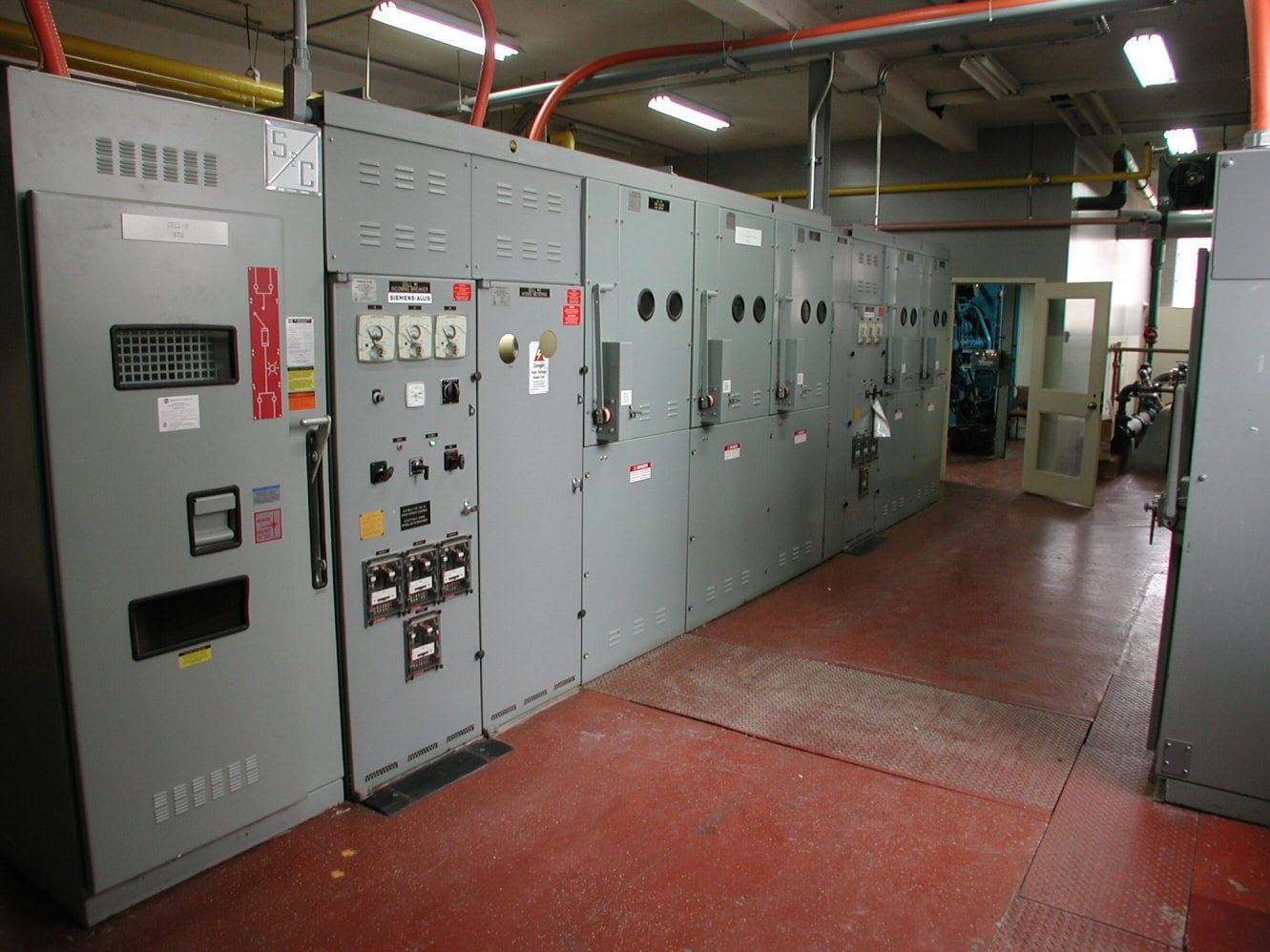
EPC Power, a Poway, California maker of software-defined power conversion, is the kind of builder the AI buildout actually lacks 2. Its grid-forming inverters and solid-state transformers move electricity from an aging grid onto the higher-voltage racks Nvidia's−2.75% — Nvidia, down 2.75 percent today newest systems are built around, and more than 15 gigawatts of its hardware is already deployed 1 3. Flex expects roughly $800 million of revenue from the business this year 4. The price pays off private-equity owners Goldman Sachs−2.02% — Goldman Sachs, down 2.02 percent today Alternatives and Cleanhill Partners 2.
The loans turn the spin-off into a deadline
The same filing that announced the close also wrote the repayment plan, and every step of it depends on Axiom rather than on Flex 1. Flex must prepay the term loan the moment Axiom raises its own debt for the separation, and Axiom is meant to repay the balance out of a $2 billion convertible preferred round led by General Catalyst with Koch Equity Development 1 5. That round, which valued Axiom at $37.5 billion, has not closed; it still needs antitrust clearance 1 6. The spin itself still requires a shareholder vote and a Singapore court order 7.
Flex's debt jumped 39 percent year over year before the acquisition loans even landed
Data
| Total debt | |
|---|---|
| Q3 '24 | $4.19B |
| Q4 '24 | $4.15B |
| Q1 '25 | $4.15B |
| Q2 '25 | $4.26B |
| Q3 '25 | $4.29B |
| Q4 '25 | $5.02B |
| Q1 '26 | $4.32B |
| Q2 '26 | $5.93B |
Two 364-day loans land on Flex's balance sheet; the pending preferred is the smaller repayment leg
- Estimate
Data
| Value | |
|---|---|
| Flex debt, June 2026 | $5.9B |
| Term loan, drawn 14 Oct | $3.3B |
| Bridge, drawn 14 Oct | $1.1B |
| Preferred, pending (estimate) | $2B |
Flex shareholders hold the clock
The draw nearly doubles the debt on Flex's balance sheet, under covenants that cap leverage at 4.5 times EBITDA 8 1. Nothing breaks if the spin happens on schedule. If it slips, Flex is left refinancing the full purchase price against a business it has promised to hand away: Flex shareholders are due the large majority of Axiom in the distribution, and Flex has guaranteed to redeem the preferred at 115 percent of the investors' cost if no spin happens by December 31, 2027 6 9. The market started pricing this on October 13, when the stock fell 6.9 percent on the separation's terms 9.
EPC Power's engineers closed the gap between the grid and the AI chip, and the people who backed them were paid for it. What remains between that capability and Axiom's future shareholders is a closing calendar. Flex is lending Axiom its balance sheet for a year, and the interest on that loan is the risk Flex shareholders now carry.
Deepdive
AI-generated from this story and its cited sources. Not investment advice.