Foreign Funds Sold a Record 222 Trillion Won of Kospi Stock, 85% of It Samsung Electronics and SK Hynix
Samsung Electronics and SK hynix took 85% of that selling, and Korean retail and institutions bought a combined 147 trillion won of it back, so the memory trade's owner of last resort is now Korean. SK hynix's New York line still trades near 40% above Seoul's.
 Vincent Jiangthree-minute read
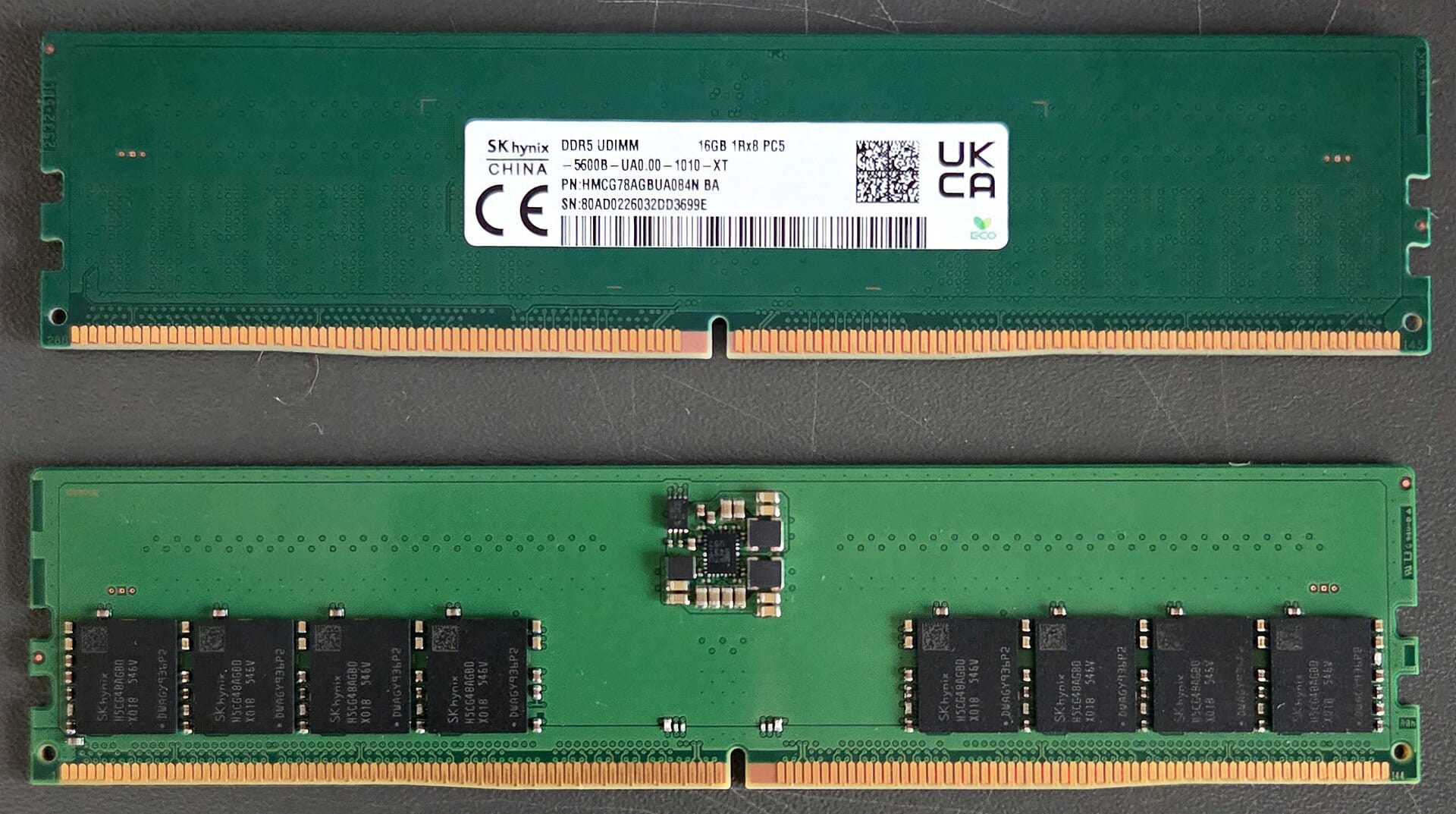
Korean households defended the tape alone
Friday in Seoul compressed the year into one session. The Kospi fell 5.21% to 4,869.96, its first close in the 4,800 range since January 20, after global funds crowded into Anthropic's$350B — Anthropic, private, latest valuation $350B record $81 billion IPO overnight and out of AI stocks 1. The plunge tripped a sell sidecar, the Korea Exchange's temporary suspension of program-selling bids. SK hynix−10.85% — SK hynix, down 10.85 percent today closed down 5.92% at 1,113,000 won; Samsung Electronics−7.01% — Samsung Electronics, down 7.01 percent today fell 7.01% to 183,100 won 1.
The day's flows were the year in miniature: foreigners net sold 1.13 trillion won on the Kospi, institutions 950.5 billion won, and individuals, alone on the buy side, bought 1.6 trillion 1. The year's tally is 222.03 trillion won of foreign net selling, 99.56 trillion won from SK hynix and 90.2 trillion won from Samsung Electronics, 85.5% of the whole, per Korea Exchange data; Korean retail bought 99.6 trillion won back and institutions 47.67 trillion won 2. The marginal owner of the memory trade now sits in Seoul 2.
Chip names fell harder than the indexes they dominate
The two names foreigners sold led Seoul's steepest slide in months
Data
| Value | |
|---|---|
| Samsung Electro-Mechanics | -12.54% |
| Samsung Electronics | -7.01% |
| SK hynix | -5.92% |
| Kosdaq | -5.71% |
| Kospi | -5.21% |
Korean buyers absorbed only two thirds of a record foreign exit
Data
| Value | |
|---|---|
| Foreigners | -222.03tn won |
| Individuals | 99.6tn won |
| Institutions | 47.67tn won |
Record results, indiscriminate selling
Nothing in the results explains the exit: SK hynix's third quarter set records, revenue up 328% year over year to 104.6 trillion won at an 80% operating margin, 14 long-term customers covering more than half of 2027 and 2028 capacity, management guiding demand above supply through 2030 3.
Yet foreigners sold "with the same intensity" whether chip prices rose or fell, says Hana Securities' Kwon Jun-hyung. One driver is mechanical: MSCI−1.93% — MSCI, down 1.93 percent today, whose Korea index caps any single stock's weight at 25%, forces funds that track it to keep selling 2. Daishin Securities puts the correlation between foreign flows and the Kospi at 0.97 since October 2.
The pattern predates this year: more than 90% of cumulative foreign net selling on the Kospi since 2010 has come out of the same two stocks, notes Hanwha Investment & Securities' Ha Jang-kwon: "skepticism about the durability of memory chip earnings," not a retreat from Korea 2.
Two prices for the same share
The marginal foreign dollar now clears in New York. On November 13 the Nasdaq-listed American depositary receipts (ADRs), dollar securities backed by the Seoul shares, closed at $132 while the Seoul and Frankfurt lines sat near $90: a 48% premium, up from 13% at the July listing, against a 25-year norm near zero 45.
Friday's split moves it the other way: the ADR fell 10.99% while Seoul fell 5.92%, leaving the premium near 40%, computed from the two closes 3.
Tej Johar of Trium Capital told the Sohn London investment conference he is short the ADR and long the cheaper Seoul and Frankfurt lines, a convergence he sizes at $8 billion: paying 48% more for the same share is "incredibly hard to justify" to a risk committee, he says 4.
The 48% premium on SK hynix's New York line began closing on Friday
US buyers paid 48% more than Seoul for the same share
- SKHY ADR premium over Seoul line
- Estimate
Data
| SKHY ADR premium over Seoul line | |
|---|---|
| July listing | 13% |
| Nov 13 | 48% |
| Nov 20 (estimate) | 40% |
The bulls and the exit
Jericho Capital, a $12 billion fund, opened a $546 million SK hynix ADR stake in the September quarter, since down 35%, and the average analyst target sits 118% above the last close 6. Nvidia−10.86% — Nvidia, down 10.86 percent today interim CEO Colette Kress counts $2.5 trillion of cloud industry backlog, up from $2 trillion a quarter earlier 7.
The catch: if foreigners keep selling regardless of earnings, every exit runs into the Korean households and funds that already hold the stock, the newest leg of a memory trade The Inference has tracked since October. Three readings decide the next leg: HBM4 shipments passing HBM3E this quarter as guided 3; Micron's−11.70% — Micron, down 11.70 percent today December 17 report, the sector's next test 8; and a December Fed meeting, where Hanwha Investment & Securities expects one US rate hike 2.
Get Chips by email, free
How AI demand is reshaping chipmakers, memory and the fabs behind them. In our daily email, every weekday.
Reader comments
0 comments