Foxconn files to buy half of Mitsubishi Electric Mobility for up to $729 million; AI chip deal waits
Foxconn filed on October 16 to buy half of Mitsubishi Electric Mobility for up to ¥115 billion, a capped check for the non-AI business. The power-chip merger that would tie Mitsubishi Electric to AI's electricity demand missed its September target and stays unsigned.
 Richard Tang · 3 min read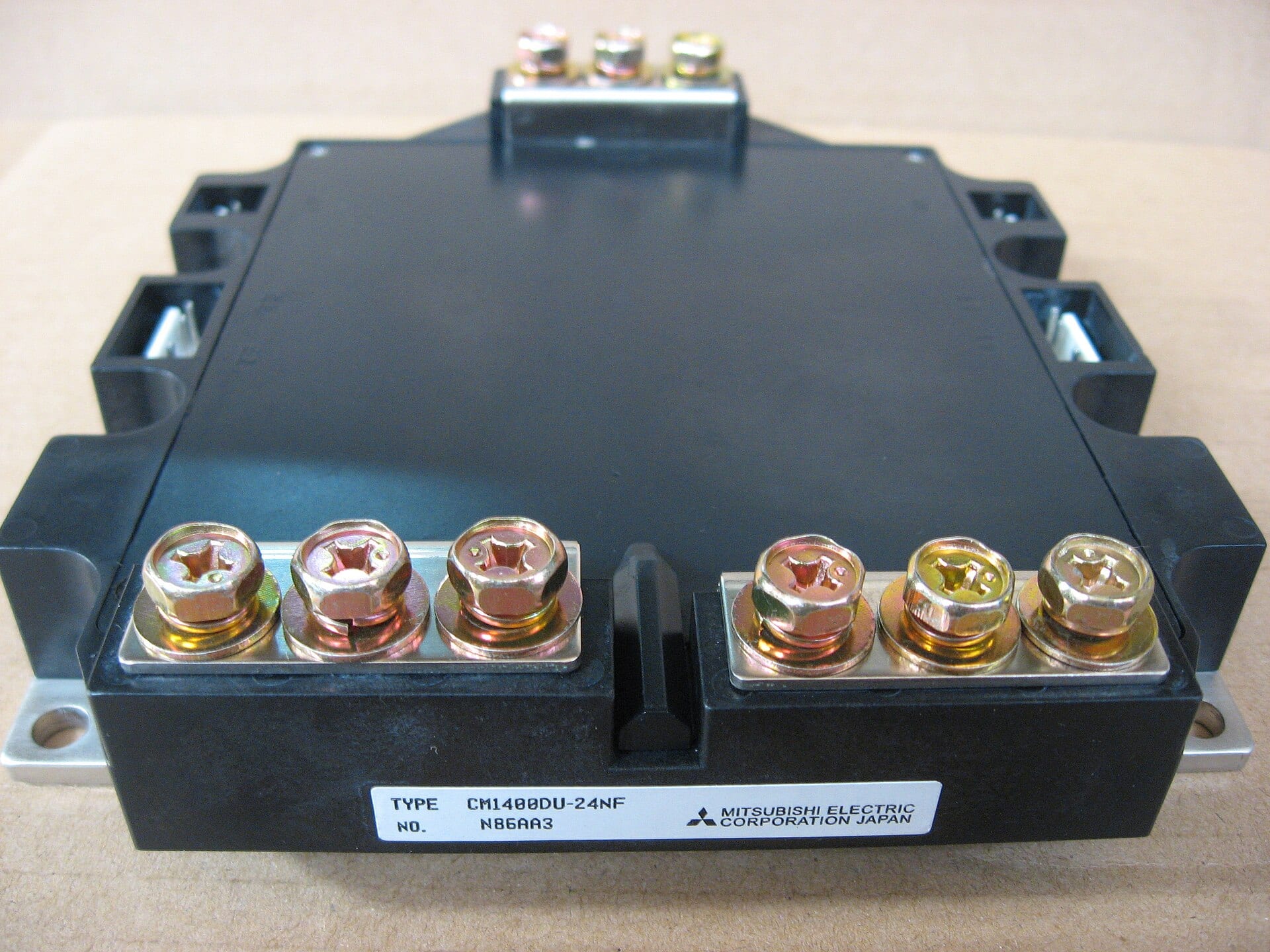
Mitsubishi Electric+1.83% — Mitsubishi Electric, up 1.83 percent today has banked the non-AI half of its portfolio and is still waiting on the AI half. On October 16, Foxconn's+1.88% — Foxconn, up 1.88 percent today investment vehicle, Lin Yin International Investment, filed to buy 50% of Mitsubishi Electric Mobility, the group's automotive equipment unit, for no more than ¥115 billion 1. Dealroom, the deal-data provider, converts that to about $729 million 2. The AI half is the power-chip merger with Rohm+2.12% — Rohm, up 2.12 percent today and Toshiba, the deal our October 14 report found missing its September signing target, and nothing has signed since 3.
The auto deal gives Foxconn the parts book for its contract-car business
The filing caps the price but does not fix it: the final amount adjusts to the closing-date accounts, and closing still requires regulatory approvals 1. The same day, the two parents announced their final agreement to run the automotive equipment business jointly 4.
The April memorandum behind it spells out the logic: electrification, autonomous driving and software-defined vehicles, with the mobility unit using Foxconn's capabilities and networks to supply an EV platform from Japan, powertrain included 5. Foxconn already assembles much of the world's consumer electronics; this purchase adds the automotive electronics catalog that would let it sell carmaking the way it sells phones, as a manufacturing service. Mitsubishi Electric halves its exposure and keeps half the equity.
The AI half is three chipmakers and no signature
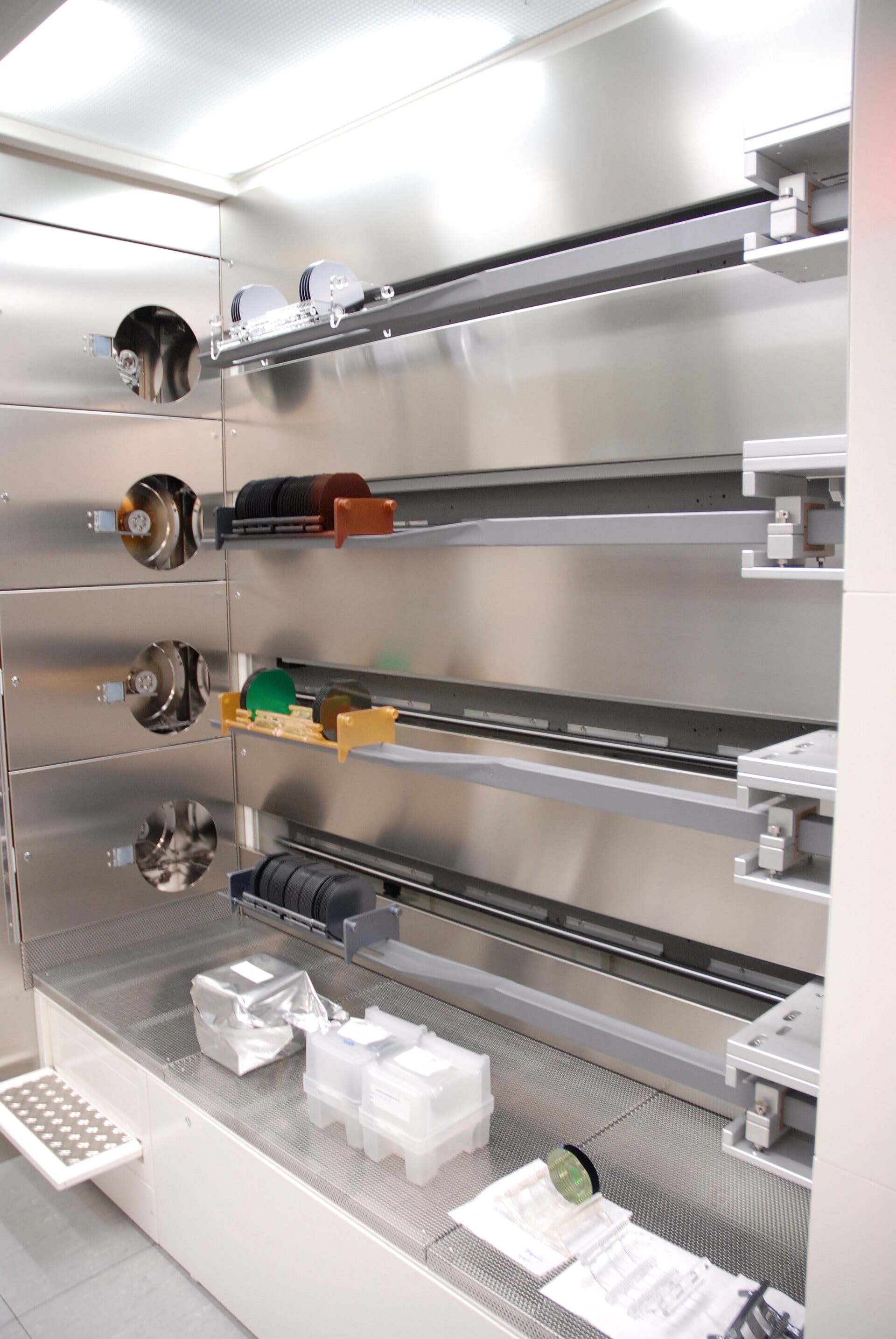
Power semiconductors convert and control electricity in EV motors, industrial machinery and data center power supplies, and Japan's trade ministry called them essential to AI infrastructure when it pledged support for the restructuring on October 2 63. Mitsubishi Electric, Rohm and Toshiba signed a basic agreement on March 27 to combine their power-chip businesses, a group that would hold roughly 11% of the global market, second only to Infineon 367. The hold-up is Rohm's improving hand: its president says the talks need more time than expected, and its April-June net profit tripled on strong AI-server sales 3, which weakens the reason to merge on anyone else's terms. Digi Times, the Taiwan-based electronics trade paper, reads the same stall, leadership disputes and a surge in AI demand slowing the effort 8.
Only combined do Japan's three power-chip makers pass 10% of the global market
- Estimate
Data
| Value | |
|---|---|
| Infineon (estimate) | 24.4% |
| Rohm + Toshiba + Mitsubishi combined (estimate) | 11.3% |
| Mitsubishi Electric (estimate) | 4.6% |
| Fuji Electric (estimate) | 3.9% |
| Toshiba (estimate) | 2.6% |
October 29 is the first quarter that carries both
Mitsubishi Electric reports quarterly results on October 29 4, with the shares last at ¥5,005 4. The consensus target is ¥6,813 4, a gap that prices a merger which has not signed. The capped check is banked either way. The AI leg is a signature away, and Rohm's recovery decides when, because the stronger the standalone business, the weaker the reason to merge. Watch the interim-results language through the end of the month: if "more time" survives another quarter, investors hold a contract manufacturer's check and a stalled semiconductor option. If it signs, Mitsubishi Electric becomes part of the world's number-two supplier of the chips that condition AI's electricity, and that consensus target starts to look earned.
Deepdive
AI-generated from this story and its cited sources. Not investment advice.