Google and Amazon now pay to build AEP's power plants: a $4 billion fuel-cell plant and 12 reactors
Google, Amazon and equipment vendors are putting their own money behind AEP's new generation, and the utility reports Q3 this morning with the funding question still open. The bottleneck in AI power has moved from financing to delivery.
 Richard Tang · 2 min read
American Electric Power−0.65% — American Electric Power, down 0.65 percent today just signed its third hyperscaler-backed power deal in ten days, and the pattern is now unmistakable: when the grid cannot connect AI data centers fast enough, the customer brings its own generation and pays for it. On October 28 AEP agreed to sell Google power from a roughly $4 billion, 702-megawatt fuel-cell plant in Wyoming, built with Bloom Energy+2.54% — Bloom Energy, up 2.54 percent today cells and starting construction this year 1. The same morning, AEP reports third-quarter results, where the open question is who funds the build 3.
Customers now bring their own generation
The chain runs like this. AI data centers need power now; the wires and interconnection queues cannot deliver it that fast. So Google+0.90% — Google, up 0.90 percent today and Amazon−0.13% — Amazon, down 0.13 percent today put their balance sheets behind generation the utility operates. Google under a 20-year contract for the Wyoming plant, which reaches full output by end-2028 5.
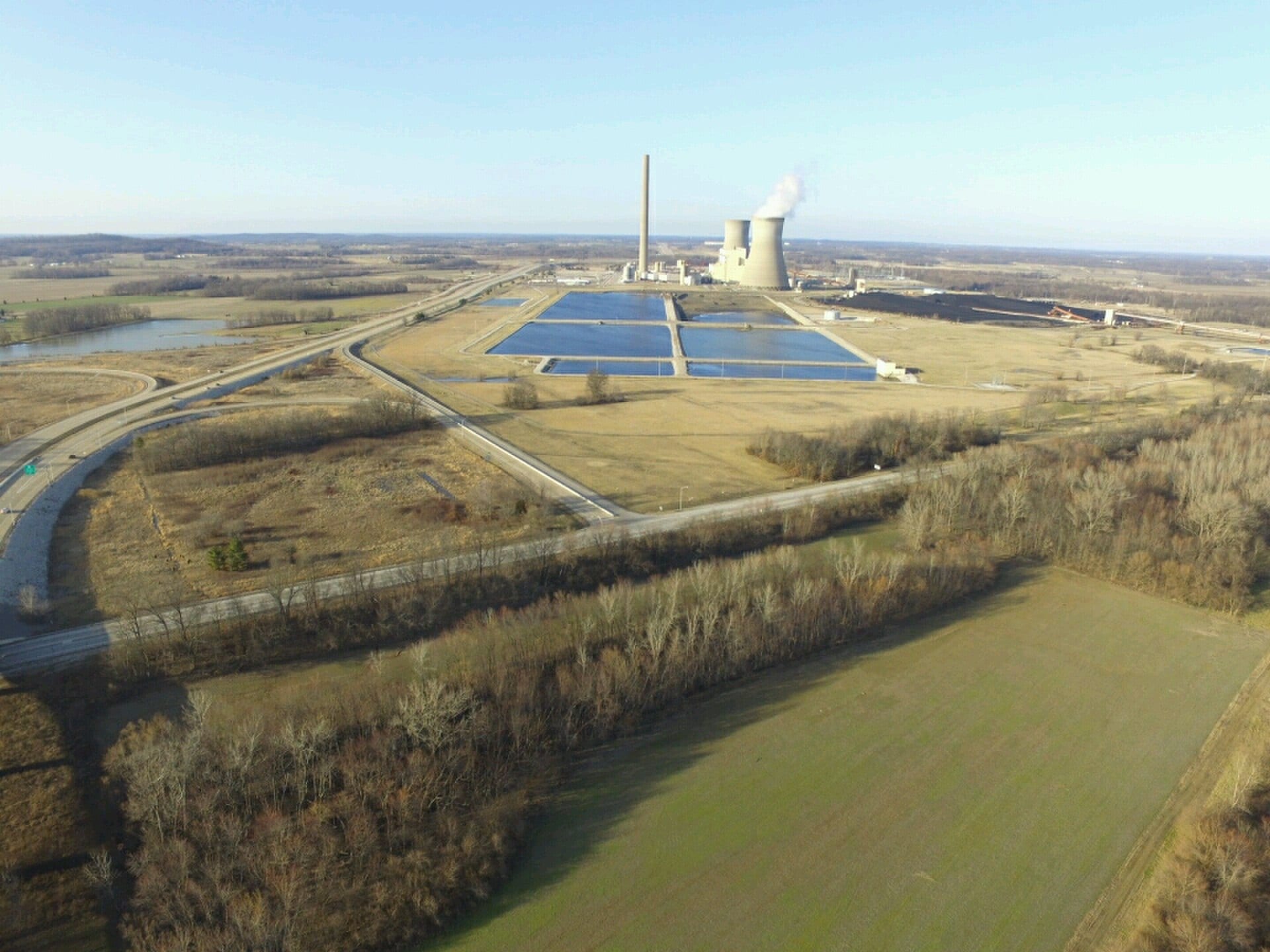
Amazon funds development of twelve small reactors, 960 megawatts if all are built, at a retired Indiana coal site, buying the output on a contract priced to cover full costs so Indiana ratepayers do not carry them 3. AEP supplies the site, the license and the operator. The utility becomes the on-ramp.
Vendors finally get paid like builders
That structure is a windfall for equipment vendors. Bloom's cells now carry a utility-named gigawatt receipt, and Mainspring Energy signed the largest linear-generator procurement to date with AEP, up to 1.6 gigawatts through 2034 starting with 190 megawatts in 2027 2. Builders who turn a capability into delivered power are the ones creating value, and they are finally being paid like it.
AEP's customer-backed October deals add up to 3.3 gigawatts
- Estimate
Data
| Value | |
|---|---|
| Google/Bloom fuel cells, Wyoming | 702 MW |
| Amazon small reactors, Indiana (estimate) | 960 MW |
| Mainspring linear generators (estimate) | 1,600 MW |
The risk sits with AEP shareholders: capital spending outran operating cash flow in nine of the last twelve quarters, a gap filled by borrowing and shares 3. Today's call should say how much of the capital plan hyperscalers carry. If that model spreads, credit pressure eases and speed-to-power becomes the product. For anyone learning AI infrastructure, this is where the work is.
Capex has outrun operating cash flow in nine of the last twelve quarters
- Capital expenditure
- Operating cash flow
Data
| Capital expenditure | Operating cash flow | |
|---|---|---|
| Q3 '23 | 1.73 | 1.79 |
| Q4 '23 | 1.61 | 1.34 |
| Q1 '24 | 1.76 | 1.44 |
| Q2 '24 | 1.56 | 1.46 |
| Q3 '24 | 1.85 | 2.17 |
| Q4 '24 | 2.86 | 1.73 |
| Q1 '25 | 2.1 | 1.45 |
| Q2 '25 | 3.28 | 1.22 |
| Q3 '25 | 2.28 | 2.46 |
| Q4 '25 | 4.25 | 1.81 |
| Q1 '26 | 3.8 | 1.52 |
| Q2 '26 | 3.13 | 1.9 |
Delivery, not announcements, decides it
The bottleneck has moved from financing to delivery: no small modular reactor has yet entered US commercial operation, and Wyoming fuel cells still must be built on schedule 3. Watch delivery, not announcements.
Get Power by email, free
How AI's hunger for electricity moves utilities, power plants and the grid. In our daily email, every weekday.