IonQ paid $1.8 billion for SkyWater, the foundry that just extended rival D-Wave's chip deal
The 8-K for cybersecurity firm Elisity shows $1.15 billion in shares, a $150 million earnout and a $100 million retention pool behind a $33.07 to $49.61 collar. The same morning, the foundry IonQ bought extended its decade-old manufacturing deal with D-Wave, IonQ's closest listed competitor.
 Richard Tang · 4 min read
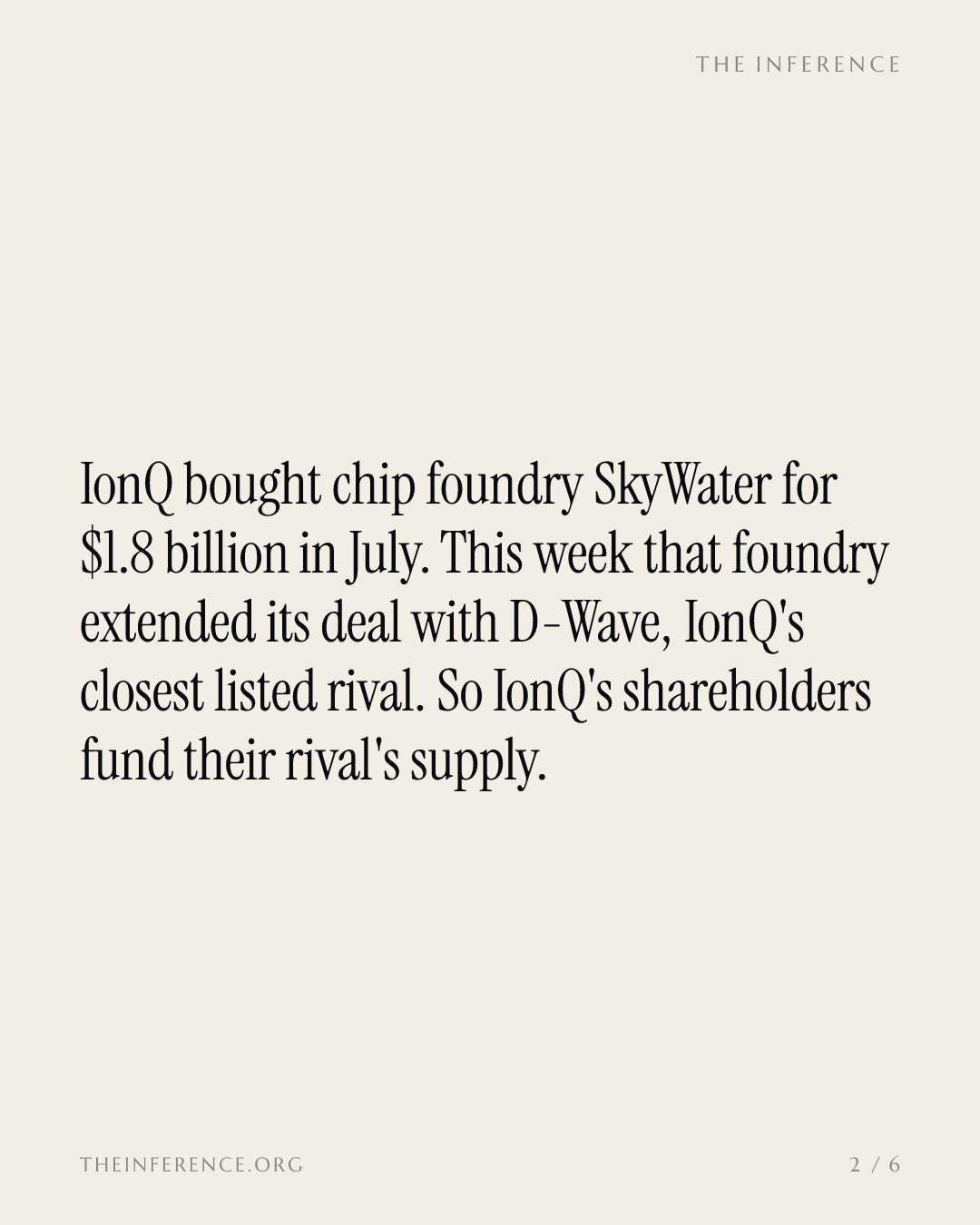
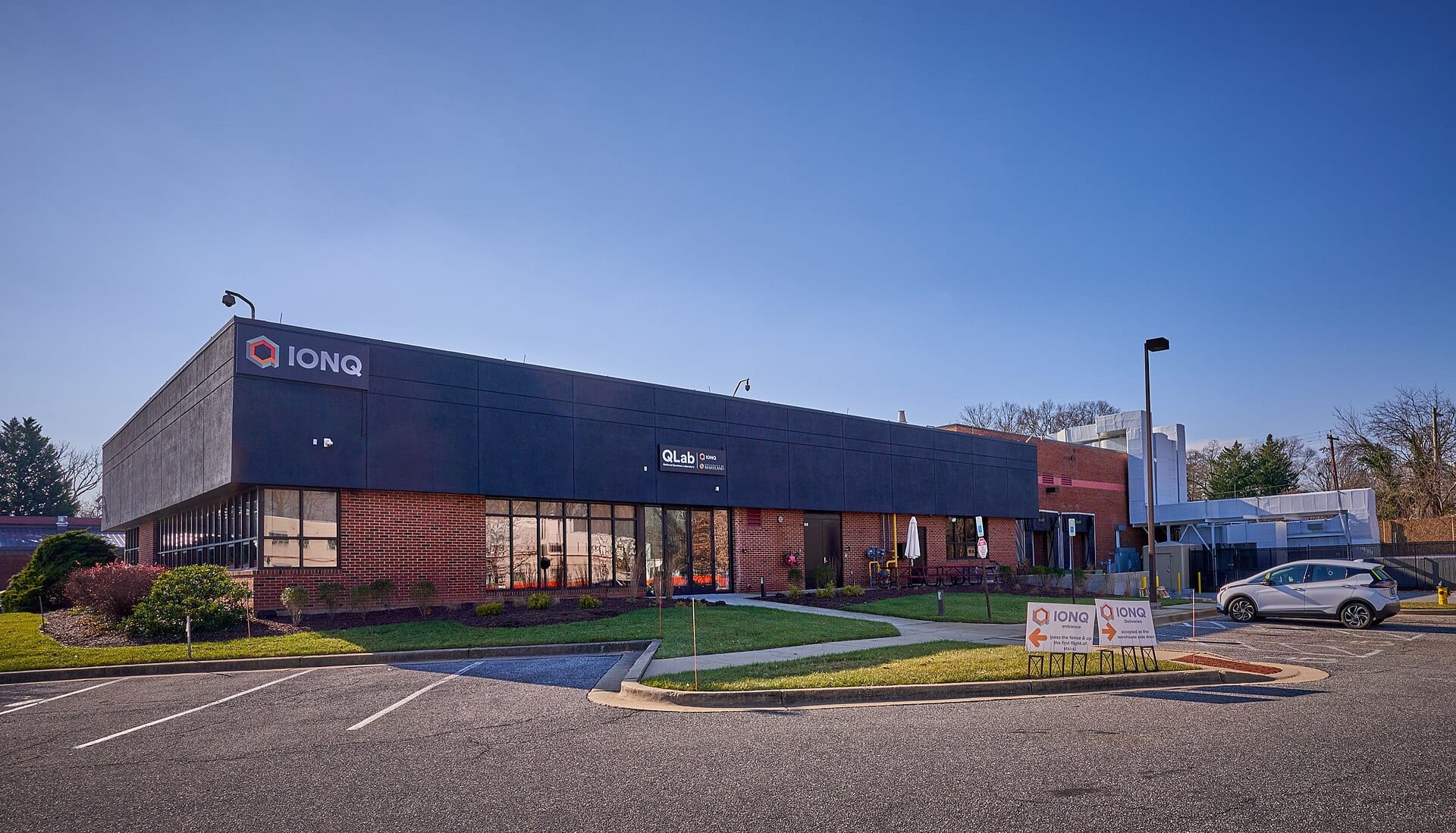
IonQ−4.16% — IonQ, down 4.16 percent today, the Maryland quantum-computing company, signed its third major acquisition, cybersecurity firm Elisity, on October 9, 2026, and announced it on Monday, paying entirely in stock, and Tuesday's 8-K filing shows the price was richer than the release let on 1. The same morning, SkyWater, the chip foundry IonQ bought this summer, announced a multi-year extension with D-Wave Quantum, the listed competitor whose quantum processors SkyWater fabricates 2. IonQ's shareholders are now funding two things at once: their own dilution and their rival's manufacturing security.
The filing counts $100 million the release left out
The 8-K filed Tuesday puts numbers on a deal the release headlined at up to $1.3 billion 1. Closing consideration is $1.15 billion in IonQ shares, with an earnout of up to $150 million tied to Elisity's revenue through January 2028 1. On top of both sits a $100 million retention pool of restricted stock units, entitlements to shares that vest over four years after closing, for Elisity's continuing employees 1. The release counted the first two; the pool appears only in the filing 1.
The release counted $1.3 billion; the 8-K shows a $1.4 billion maximum
- Consideration
- Estimate
Data
| Consideration | |
|---|---|
| Closing shares | $1.15B |
| Earnout (up to) (estimate) | $0.15B |
| Retention pool | $0.1B |
A collar that shifts the dilution onto IonQ's holders
The mechanics matter more than the totals. Elisity's holders will be paid in shares priced off IonQ's 20-day average price, bounded by a collar of $33.07 to $49.61 1. The announcement knocked the stock down 8.74% on Monday 4. It closed at $36.40, in the lower half of that band 4. The collar guarantees Elisity's sellers their dollar value, so a falling share price means more shares issued, and the dilution risk lands on IonQ's holders. The deal can still be called off if it has not closed by January 7, 2027 1.
The fab IonQ bought just guaranteed its rival's supply
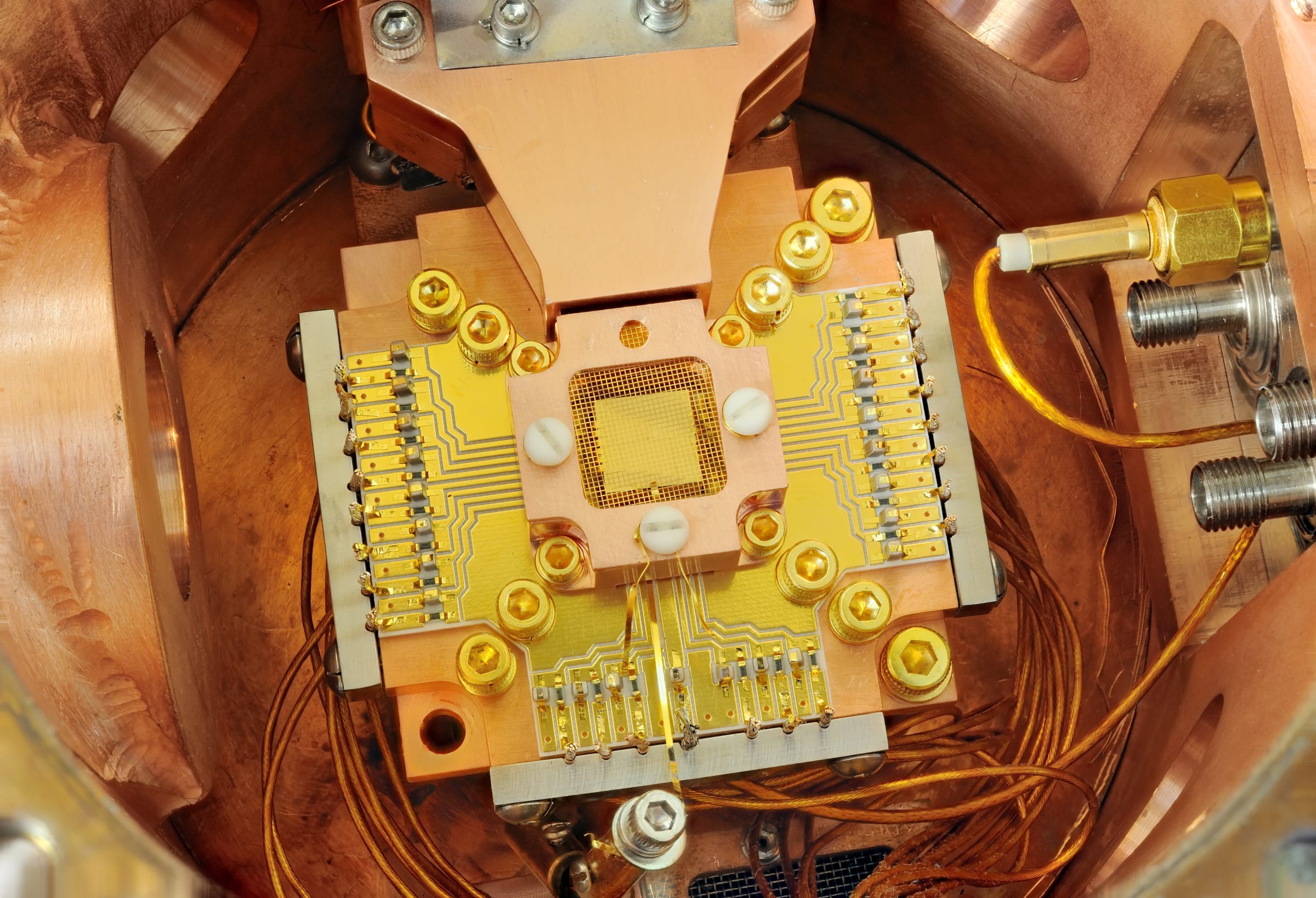
SkyWater is the largest exclusively US-based merchant foundry, a chip plant that manufactures for outside customers rather than for itself 2. It has fabricated D-Wave's Advantage2 quantum processors for years, and a SkyWater-built Advantage2 system was used in 2025 research published in Science that beat classical approaches on a quantum simulation problem 2. IonQ agreed to buy SkyWater in January for $1.8 billion 3. The transaction completed on July 31 7. On Tuesday, the same morning the Elisity filing landed, SkyWater and D-Wave extended a partnership that goes back more than a decade at SkyWater's Minnesota fab 2. The extension gives D-Wave manufacturing continuity on terms that protect D-Wave's intellectual property as it builds its next generations of systems 2.
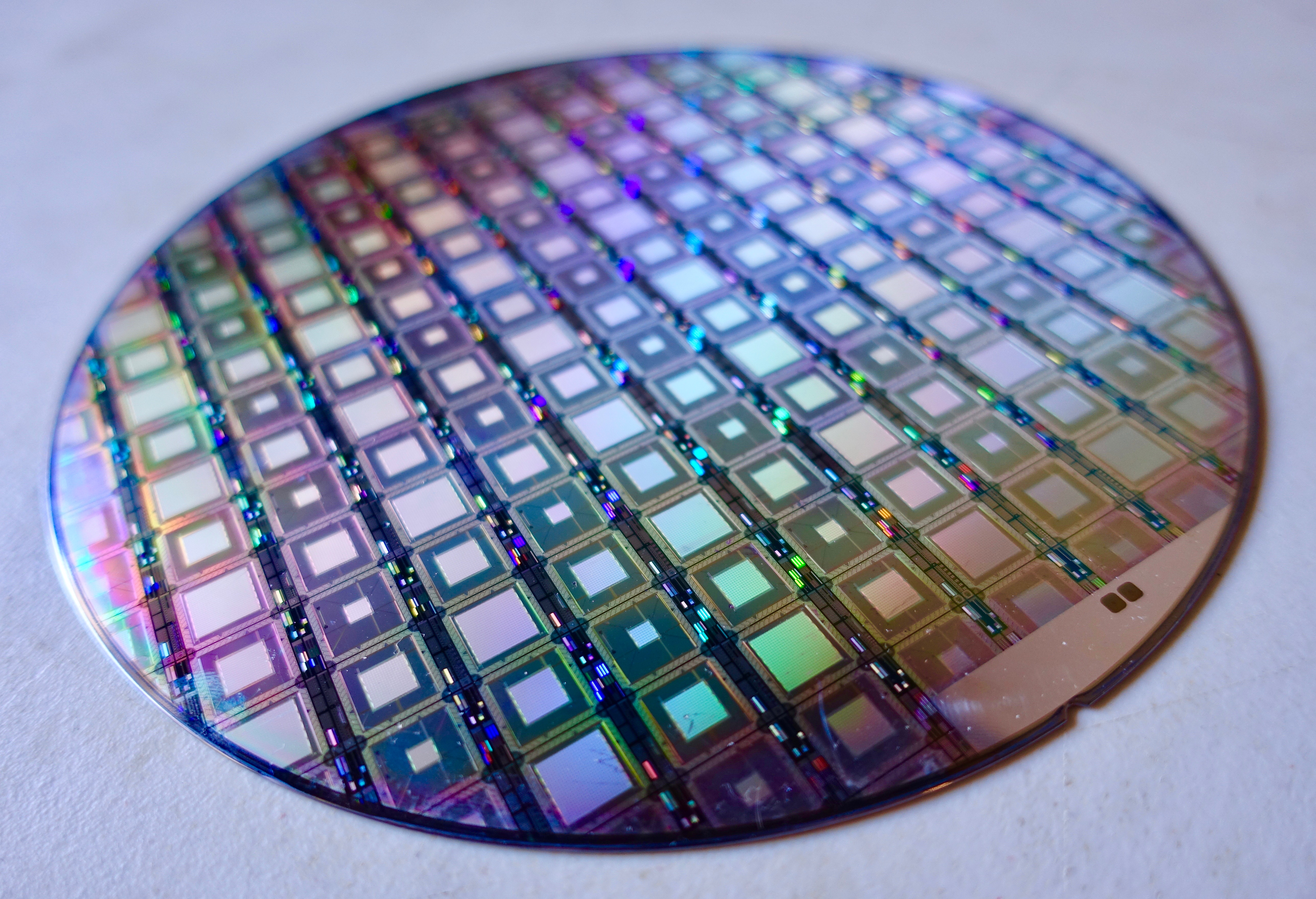
D-Wave harvests a fab its rival's shareholders pay for
D-Wave gains plainly: supply security at the merchant fab that has built its superconducting processors for over a decade, now owned and funded by its competitor's shareholders 2. IonQ's holders pay twice. The Elisity shares follow the SkyWater and Oxford Ionics purchases 3, and they arrive with the stock down over 50% in 12 months 3. And the foundry they bought is now contractually committed, for years, to building the flagship processors of the company selling quantum systems against IonQ 2.
IonQ keeps buying: three major acquisitions in two years
Data
| Value | |
|---|---|
| SkyWater (2026) | $1.8 |
| Elisity (2026) | $1.15 |
| Oxford Ionics (2025) | $1.1 |
Elisity gives IonQ the enterprise channel its quantum business lacks
There is a coherent strategy underneath the dilution. IonQ is assembling computing, chips, foundry capacity and now an enterprise security channel into one platform, and its chairman and chief executive Niccolo de Masi frames the urgency bluntly: Q-Day, the day quantum computers break today's encryption, is coming faster than predicted, in his telling 1. Elisity sells microsegmentation, access control that limits each user, device and AI agent on a network to the connections it needs, and it brings IonQ more than 100 enterprise deployments and the customer relationships the quantum business lacks 1. Elisity keeps operating under its own chief executive, James Winebrenner, after closing 1.
The bet only pays if quantum demand arrives
Whether that earns back the dilution depends on the link the whole industry is waiting on: quantum demand has not arrived at scale. IonQ booked $80 million of revenue in its last reported quarter 5. The market values the company at about $16 billion 3. It has lost money on operations in every quarter of the last two years 5. Until demand catches up, IonQ and D-Wave are both building capacity for orders that do not yet exist. D-Wave's shares were little changed in premarket trading on its good news 6; they did not need to move.
Revenue is up tenfold in two years at IonQ, and the operating loss sixfold
- Revenue
- Operating income
Data
| Revenue | Operating income | |
|---|---|---|
| Q1 '24 | $7.58M | -$52.88M |
| Q2 '24 | $11.38M | -$48.94M |
| Q3 '24 | $12.4M | -$53.13M |
| Q4 '24 | $11.71M | -$77.5M |
| Q1 '25 | $7.57M | -$75.68M |
| Q2 '25 | $20.69M | -$160.59M |
| Q3 '25 | $39.87M | -$168.81M |
| Q4 '25 | $61.89M | -$228.63M |
| Q1 '26 | $64.67M | -$271.51M |
| Q2 '26 | $80.05M | -$337.24M |
What the filings leave uncounted
The decisive numbers are not in either filing: what IonQ charges D-Wave for the fab work, and how much fab revenue IonQ's upcoming reports attribute to its rival. Those two figures will say whether the foundry deal is revenue IonQ captured or capacity it is subsidizing for a competitor. On what is filed today, D-Wave holds the better side of both agreements, and IonQ's shareholders are financing it 2.
Deepdive
AI-generated from this story and its cited sources. Not investment advice.