MSCI forces index funds to buy Nan Ya PCB by Nov. 30 after the AI substrate stock halved in a month
MSCI's November review adds the AI substrate maker to its Emerging Markets Index as of the November 30 close, ten days away, and every Standard-index tracker buys what the index buys. The shares have halved in a month, so the mandated demand lands in Taiwan's worst week since 1991.
 Richard Tangthree-minute read
MSCI−1.93% — MSCI, down 1.93 percent today has made Nan Ya Printed Circuit Board−9.89% — Nan Ya Printed Circuit Board, down 9.89 percent today the third-largest addition to its Emerging Markets Index, and the funds that track the index family must own it within ten days. Announced on November 11, the review ranks the Taiwanese company behind only China's Zhongji Innolight and India's Life Insurance Corporation among emerging-market additions by full company market capitalization, and every change takes effect at the close on November 30 1.
Nan Ya PCB fell 9.89% on Friday, November 20, and the shares have halved in the past month 2. Taiwan's TAIEX has just closed its worst week since 1991 3. Date-certain index demand is colliding with a fast de-rate of Taiwan's AI-hardware chain.
The earnings that earned inclusion are real
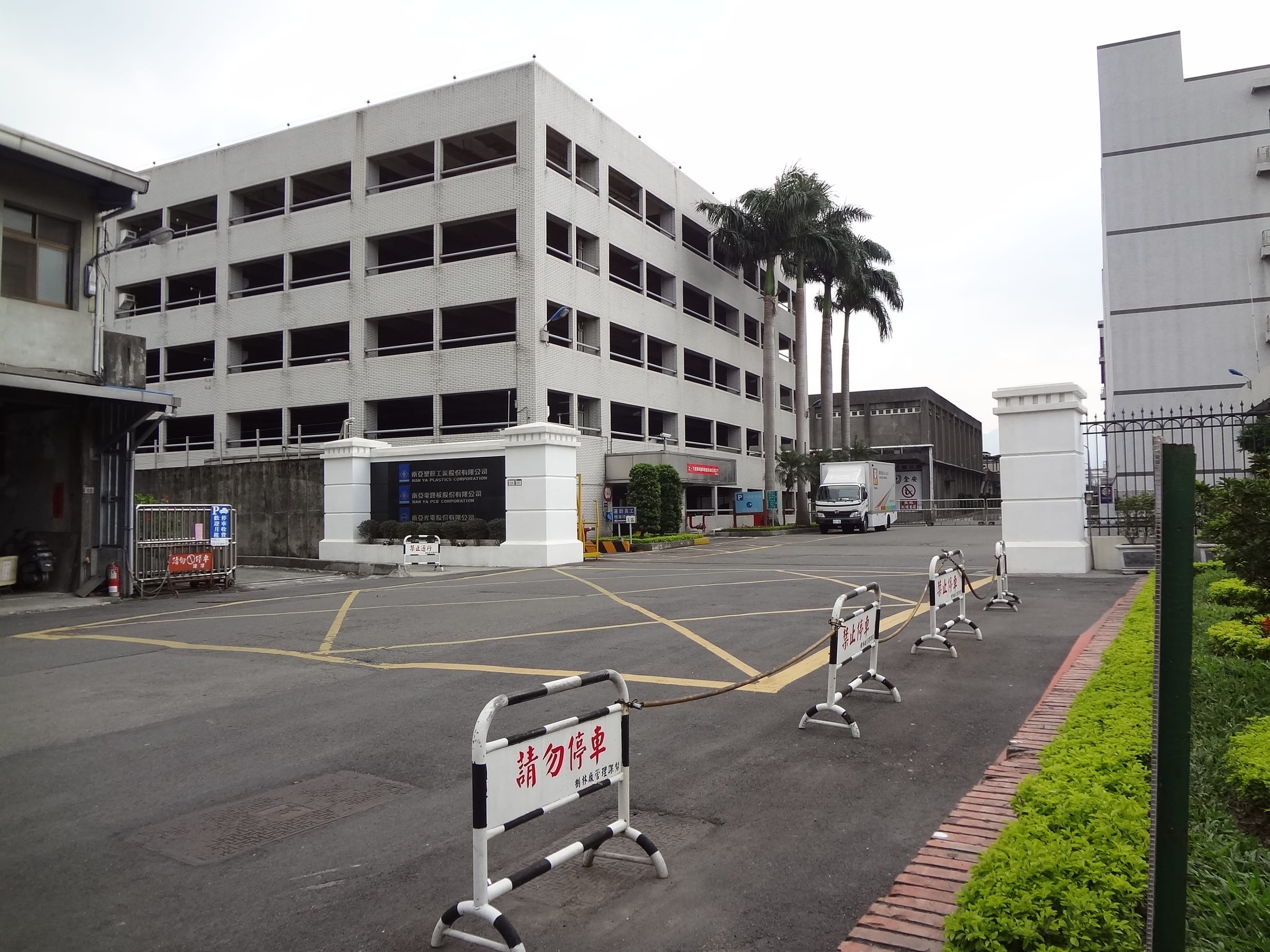
Nan Ya PCB is one of Taiwan's three big ABF substrate makers, alongside Unimicron and Kinsus 4. ABF, short for Ajinomoto build-up film, is the insulating film layered inside the substrate that carries an AI processor; Nan Ya sells the finished board 5. That layer of the stack is booming: net income for the first nine months of 2026 ran about nine times last year's pace 6. October revenue rose 69.7% 5. When we covered the company in October, nine-month sales had already passed all of 2025 as chipmaker AMD−10.57% — AMD, down 10.57 percent today paid to loosen Taiwan's substrate squeeze (our report) 5.
The index turned Taiwanese at the worst moment
Taiwan passed offshore China this year to become the largest market in the MSCI Emerging Markets Index, at 27%, on Goldman Sachs research 7. The same review therefore raises passive savers' exposure to a market that active money is fleeing. Foreign investors net-sold NT$102 billion of Taiwanese shares on November 5, the tenth-largest session on record 4, and were still selling three weeks later 8. All three ABF makers closed at their daily limit on November 5; Nan Ya PCB and Kinsus did again on the 18th 48. Taiwan's National Financial Stabilization Fund was authorized to deploy money on November 6 9.
Taiwan slid into the rebalance that forces funds to buy more of it
Taiwan kept falling as the MSCI additions approached
Data
| TAIEX close | |
|---|---|
| 5 Nov | 41,574.72 |
| 18 Nov | 38,347.67 |
| 20 Nov | 36,033.29 |
Every emerging-markets index fund in the world is now a committed buyer of a stock that foreign institutions spent November dumping.
The de-rate has already run; the next test is dated
The selling is a bet on the pace of AI data-center deployment, not on the capability, and Tony Huang, chief strategy officer at Taishin Securities Investment Advisory, still calls component demand intact 4. The multiple has already absorbed the doubt: the stock traded near 147 times trailing earnings in late October 10 and sits near 50 now 2. Even after the fall it is up 161% this year 2. The next test is dated: November revenue lands by December 10 5.
If October's growth holds, the forced close on the 30th 1 marks a floor, and index funds will have bought a genuine builder cheap. If it breaks, the floor gives way. Nan Ya PCB earned its place in the index; the price verdict comes on December 10 5, not in the closing auction on the 30th 1.
Get Chips by email, free
How AI demand is reshaping chipmakers, memory and the fabs behind them. In our daily email, every weekday.





Reader comments
0 comments