Nashville renews Motorola 911 dispatch contract 26-7 as surveillance scrutiny spreads
Nashville was running its 911 dispatch on a temporary extension when the Metro Council renewed Motorola Solutions' contract 26-7 on October 6, 2026, past two failed delays and ICE-related objections. A week later, Texas banned state grant money for license plate readers in an order naming Motorola.
 Vincent Jiang · 3 min read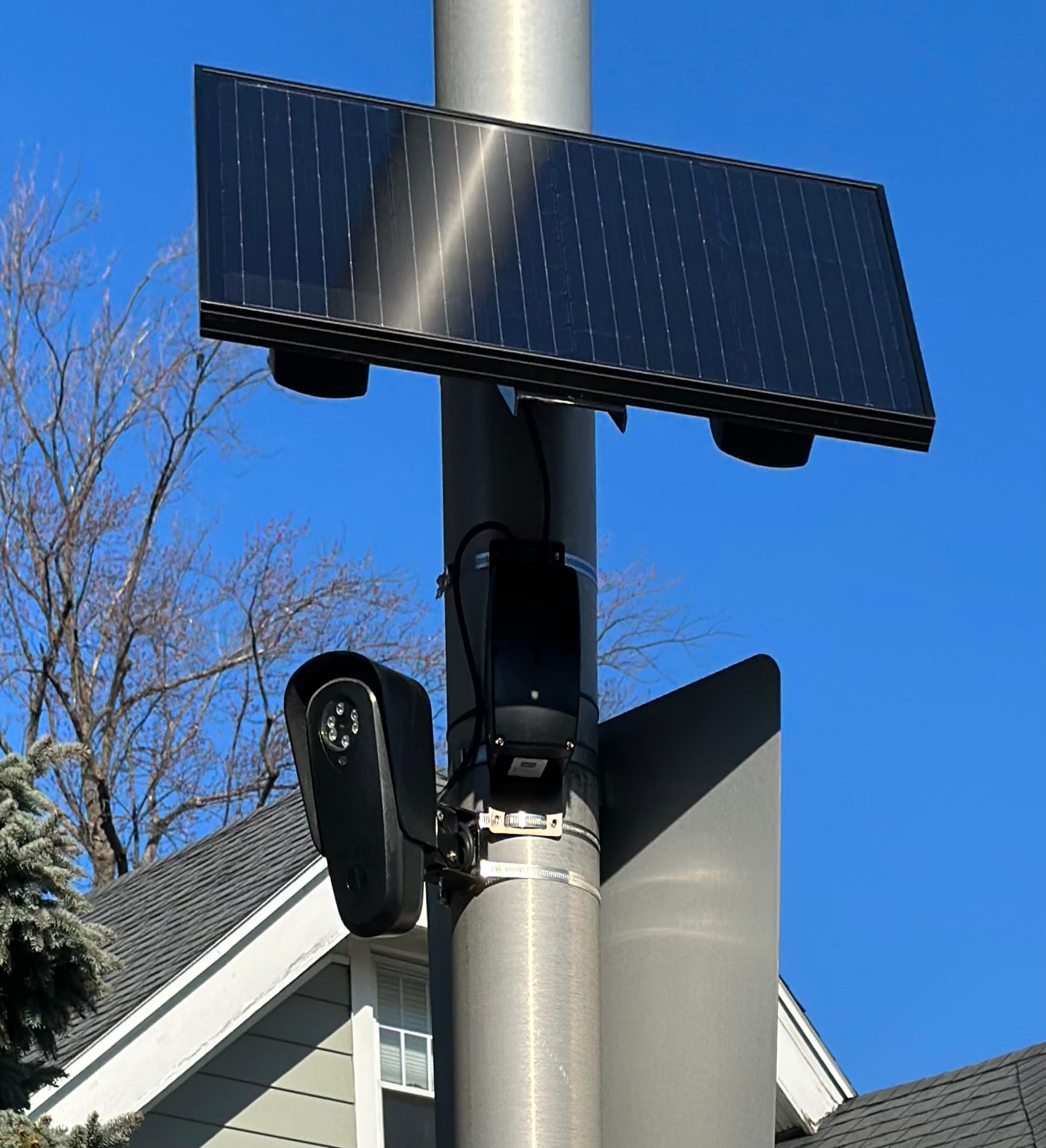
Dispatch was running on an expired contract
Nashville's dispatch contract ran out before the council voted on it. The city's agreement with Motorola Solutions+0.88% — Motorola Solutions, up 0.88 percent today for computer-aided dispatch, the software that manages 911 calls and coordinates police, fire and ambulance response, had expired, and the Department of Emergency Communications was operating on a temporary extension 1. Councilmember Jason Spain warned that without a renewal dispatchers would "go back to a pad and paper, basically" 1. On October 6, 2026, the Metro Council approved Resolution RS2026-2264, 26-7 with one abstention 1. What it renewed sits in Motorola's fastest-growing segment, command-center software 2.
The fastest growth runs through dispatch software
Chief Operating Officer Jack Molloy told a September investor conference he expects command-center software to grow about 15% in 2026, against 10-11% for mission-critical networks and about 11% for video security, including roughly $100 million from APX NEXT applications that add location and programming tools to police radios 2. A renewal like Nashville's now clears an elected council, not procurement staff alone.
Command-center software is Motorola's fastest-growing segment
- Estimate
Data
| Value | Range | |
|---|---|---|
| Command-center software (estimate) | 15% | — |
| Video security (estimate) | 11% | — |
| Mission-critical networks (estimate) | 10.5% | 10–11% |
Seven no votes, two failed delays and an ICE question
The renewal cleared only after two attempts to slow it failed. Councilmember Ginny Welsch moved a two-meeting deferral, calling the deal possible "backdoor surveillance"; it lost 10-24, and a one-meeting deferral from Councilmember Sandra Sepulveda lost 14-20 1. At-large member Delishia Porterfield backed the delay, citing community concerns about Motorola's relationship with U.S. Immigration and Customs Enforcement 1. David Rosenberg, Metro's senior director of legislative affairs, answered that the city's surveillance code requires a public hearing before surveillance technology is bought, so this contract cannot cover such purchases 1.
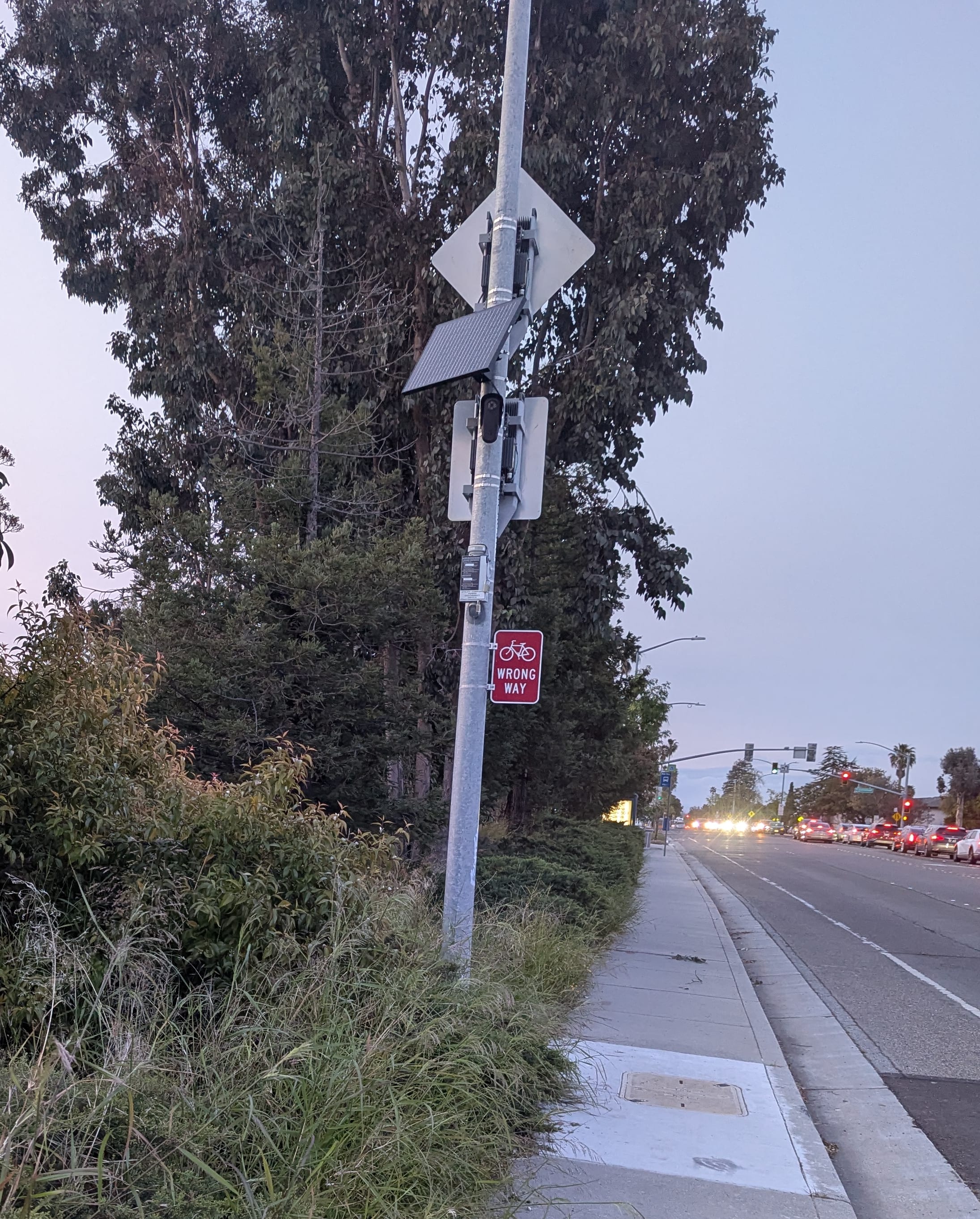
The concern has a local record. Nashville has stalled its own citywide license-plate-reader program over worries about misuse by federal authorities, including ICE, and Coopertown, 35 miles away, ended its contract with Flock Safety, the license-plate-camera maker, in September 3.
Texas named Motorola in a grant ban
On October 13, Texas Comptroller Don Huffines banned state grant money for license plate readers in an order naming Flock Safety, Motorola Solutions and Axon−2.09% — Axon, down 2.09 percent today Enterprise, the body-camera maker 45. The ban reaches future state grants, not the city, county or federal funds agencies can still spend on the cameras 4.
In Washington, Senator Bernie Sanders, Senator Jeff Merkley and Representative Alexandria Ocasio-Cortez introduced the Ban Flock Act on October 2 to block federal agencies from using the readers 6. At least 30 localities have deactivated Flock cameras since the start of 2025, and Senator Josh Hawley has asked the chief executives of Flock, Axon, Motorola and Verkada to testify at his hearing on camera makers 6.
The revenue line has not noticed yet
None of this shows in Motorola's numbers so far. Second-quarter revenue was $3.13 billion, up 13.3% year over year 7, Molloy described record second-quarter orders 2, and full-year guidance stands at about $13 billion of revenue with adjusted earnings of $17.62 to $17.72 a share 8. The market is the skeptic: the shares are down 1.6% over 52 weeks while the S&P 500 gained 17.3% 8.
The bigger bets have meanwhile moved toward defense: Silvus, the radio-network maker bought in August 2025, is expected to book about $850 million of 2026 sales 2.
Revenue accelerated to 13.3% growth while the surveillance fight spread
Data
| Revenue | |
|---|---|
| Q3 '24 | $2.79B |
| Q4 '24 | $3.01B |
| Q1 '25 | $2.53B |
| Q2 '25 | $2.77B |
| Q3 '25 | $3.01B |
| Q4 '25 | $3.38B |
| Q1 '26 | $2.71B |
| Q2 '26 | $3.13B |
Watch the order line, not the headlines
Third-quarter results are due in the coming weeks, with analysts at $3.99 of earnings a share 8. The tell is the command-center order line: renewals with strings attached still count as orders, but deferrals that start winning votes like Welsch's would slow growth exactly where Motorola grows fastest. No source puts a dollar figure on that risk, and none states the value of the Nashville contract.
Deepdive
AI-generated from this story and its cited sources. Not investment advice.