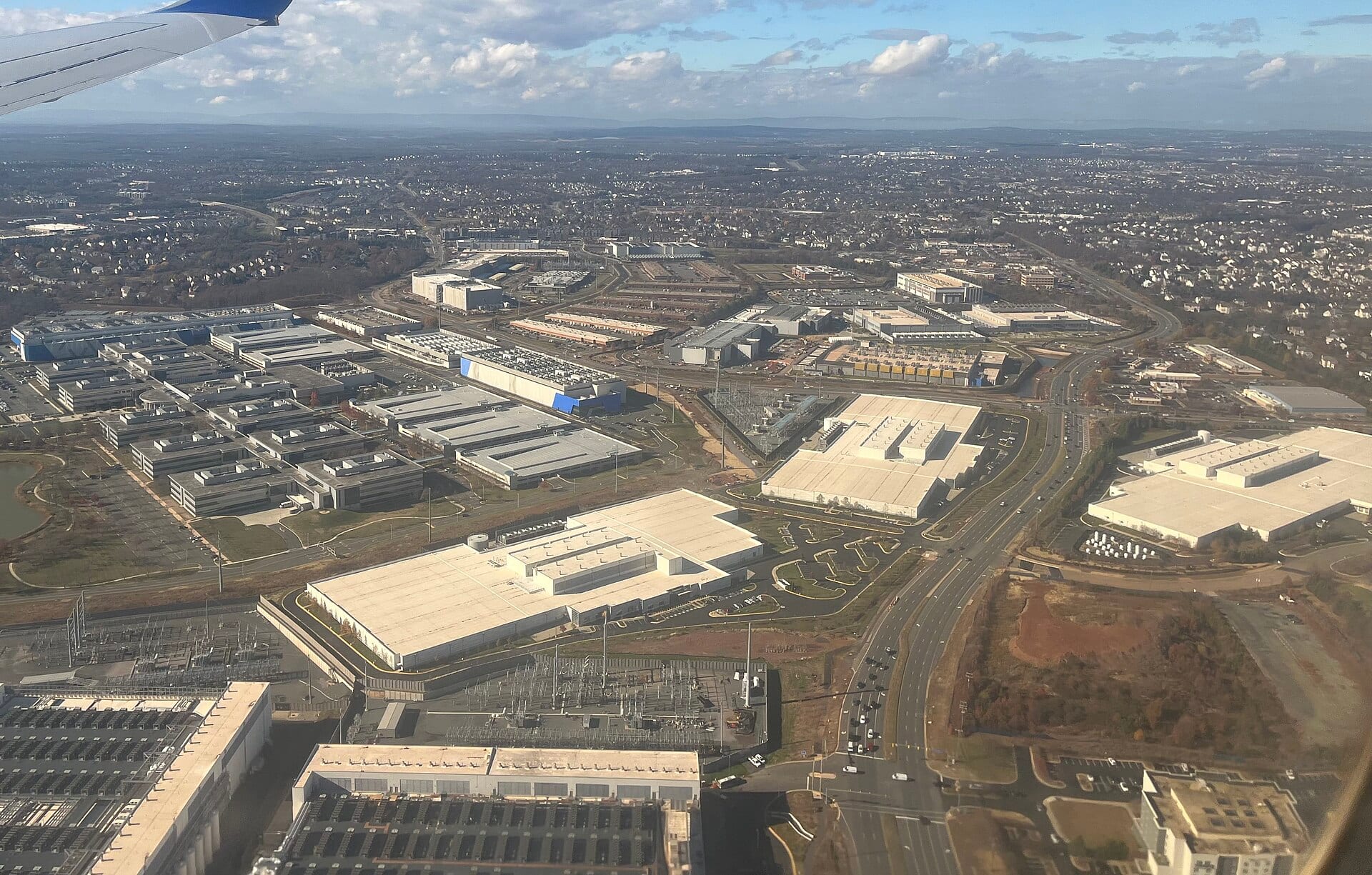
One company would own every nuclear plant in New England. Four states just asked FERC to stop it.
Four New England attorneys general filed a FERC protest on 29 September against the $67 billion NextEra-Dominion merger, which would hand one company every nuclear plant in the region. Virginia's public hearings open on 7 October, and a pending motion to reset the state's 180-day clock could push its ruling into 2027.
 Vincent Jiang · 3 min read
Two reactors, one owner
Seabrook Station in New Hampshire and Millstone in Connecticut are the last nuclear plants running in New England, and they answer to different owners today 1. The proposed $67 billion merger of NextEra Energy and Dominion Energy would put both inside one company controlling 100 percent of the region's nuclear generating capability, the country's largest natural gas fleet and its second-largest nuclear fleet 2. On 29 September, attorneys general from Connecticut, Massachusetts, Maine and Rhode Island, joined by five ratepayer offices, filed a protest urging the Federal Energy Regulatory Commission to reject the deal outright 2.
A $67 billion deal on three clocks
Shareholders of both companies approved the combination in early September; NextEra holders take 74.5 percent of what would be the world's largest regulated utility by market capitalization, with closing targeted for the second half of 2027 32. Clearance is still required from FERC, the Justice Department, the Nuclear Regulatory Commission and regulators in Virginia, North Carolina and South Carolina 2. Virginia's State Corporation Commission takes public testimony in Newport News on 7 October, Fairfax on 9 October and Richmond on 5 November, and South Carolina follows on 17 November 45. A dozen Democratic lawmakers led by Senator Elizabeth Warren added their own FERC letter on 30 September, urging the commission to block the deal on cost or concentration grounds 8.
The states' evidence: conduct, priced
The protest leans on conduct, not forecasts. Dominion once threatened to close the profitable Millstone plant while pressing for higher state-backed prices for its output; NextEra spent $20 million, by five governors' count, trying to block the New England Clean Energy Connect hydro line 21. NextEra's own tally, disclosed at the Virginia hearings, prices its appetite for utility deals: $23.6 million chasing Santee Cooper and $2.6 million chasing JEA, both bids lost 6. The pattern the states are pricing is leverage first, ratepayer second.
The record behind the protest: $46 million across three NextEra campaigns
Data
| Value | |
|---|---|
| Santee Cooper pursuit | $23.6M |
| NECEC power line opposition | $20M |
| JEA pursuit | $2.6M |
The companies' answer is money
The September amendment doubled residential bill credits to $10 a month for four years, added $100 million for low-income assistance through 2038 and promised 1,000 Virginia jobs plus a shareholder-funded tower in Richmond; customers, the companies say, will not pay merger costs 74. "This is a Virginia-first package, and it starts with customers," NextEra chief executive John Ketchum said 7. NextEra's counsel says no regulator has found wrongdoing, and Dominion's lawyers call the conduct inquiry a "political spectacle" 64.
January is the first verdict
The Virginia commission still aims to rule in January 6. Attorney General Jay Jones argues the amended application should restart the 180-day review clock, a reset that would push the ruling roughly two months, and the commission has not ruled 4. The FERC docket is the other dial: if the New England record is weighed as evidence rather than politics, the risk to the deal moves from concessions to rejection. First reading: Newport News, 7 October.
Deepdive
AI-generated from this story and its cited sources. Not investment advice.