Providence credits Flock with an 86% homicide clearance rate, then moves to ban every plate reader
The exits from Flock's plate-camera network split into vendor swaps and category bans, and this week Providence, which credits the cameras with cracking the Brown University case, moved toward banning every plate reader.
 Vincent Jiang · 3 min read
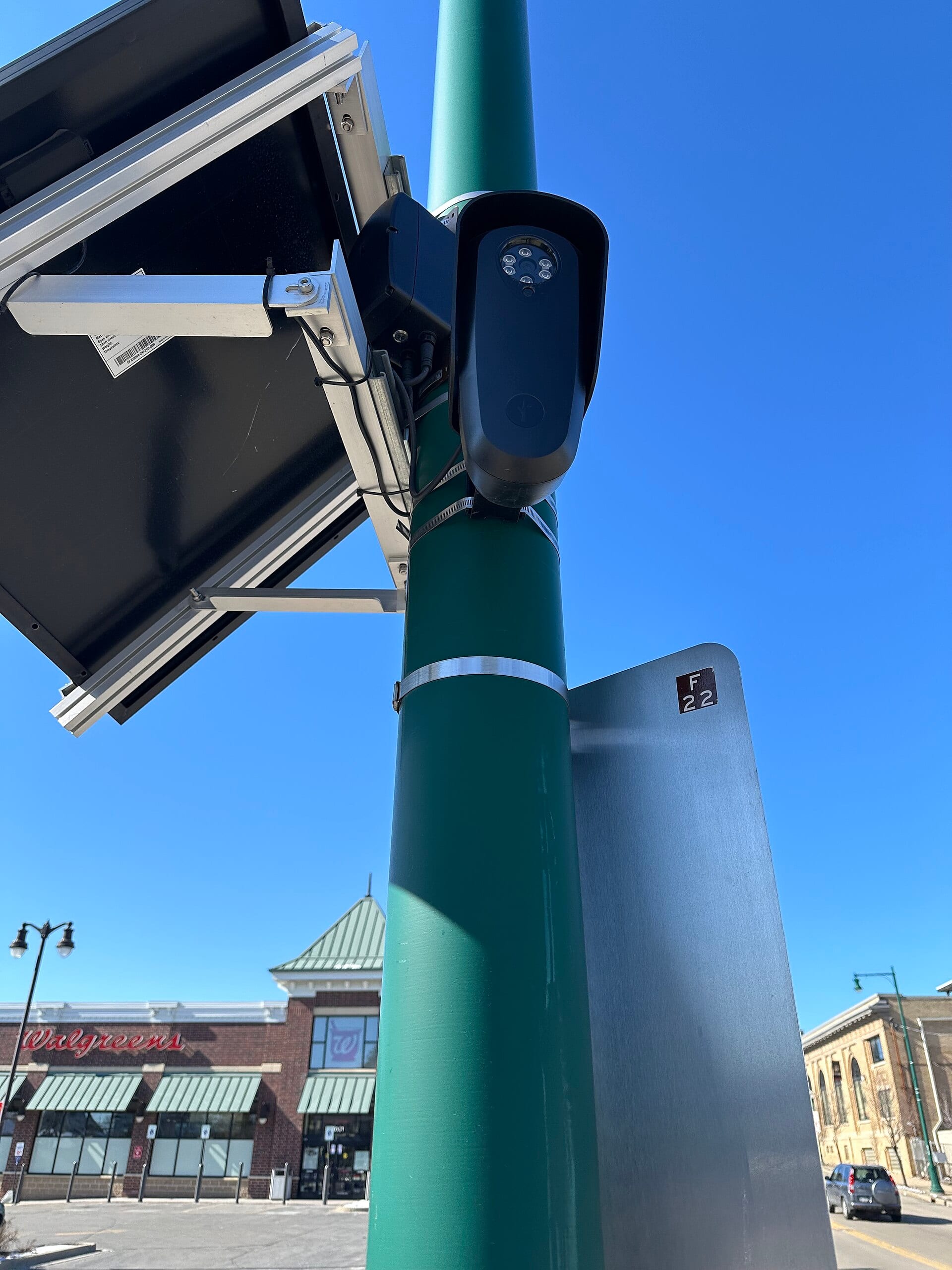

Flock Safety, a Georgia-based maker of automated license plate reader cameras, sells a shared network rather than a camera, and the customer exits this week split into vendor swaps and outright bans of the category.
The sharpest turn is Providence, Rhode Island, which credits the cameras with cracking the Brown University shooting and may now outlaw plate readers entirely: its council is weighing a ban on all automatic license plate readers, and its presumptive next mayor, state Representative David Morales, the nominee favored to win November's election, has promised not to renew the contract, which expires May 16, 2027, and says he would deactivate the cameras sooner 1. Simpsonville, South Carolina, takes up its own ban tonight 6.
Cancellations spread, but not all exits look alike
The churn is broader than one city. Six Rhode Island municipalities canceled Flock this summer, taking 36 cameras offline; the state now counts 223 active readers, 218 of them Flock's 2. Cleveland's school district told Flock to switch off its cameras on district property rather than renew, and Cornell is removing its seven 57. Dozens of jurisdictions have paused or canceled contracts since July, according to DeFlock the USA, an advocacy group that tracks the company, so its tally leans against Flock 3.
Providence holds a quarter of Rhode Island's plate-reader cameras
Data
| Value | |
|---|---|
| Providence | 60 cameras |
| Cranston | 29 cameras |
| East Providence | 23 cameras |
| Pawtucket | 22 cameras |
| Woonsocket | 15 cameras |
The two kinds of exit pay out differently. Cities that cancel and buy a replacement vendor, such as Axon+0.64% — Axon, up 0.64 percent today, Vigilant or Genetec, keep the replacement revenue flowing; outright bans remove the replacement market entirely 16.
One Texas search reached 83,000 cameras
The complication is that the product customers are leaving is the network, not the camera: records reviewed by the Electronic Frontier Foundation show one Texas sheriff's search in an abortion-related case spanned more than 83,000 cameras across 6,809 networks, and Flock's own public-affairs chief told Suffolk County legislators on October 8 the network could trace women traveling across state lines for abortions 4.
Police cite an 86 percent clearance rate; voters say go
The police camp has numbers too. Providence's homicide clearance rate is 86 percent in four years with Flock, against 66 percent in the ten years prior, on a $477,500 contract for 60 cameras 12. The counter: 55 percent of Rhode Island voters oppose Flock, per WPRI-TV polling in August 1.
Flock's response is a lobbying build in Washington: $360,000 federal spend in July through September, up from $210,000 a year earlier, six firms total, against its $7.5 billion valuation and Rhode Island's plan to codify its model policy into law 23. Which path each city takes decides whether surveillance vendors keep a customer or lose a market. The next readings are concrete: Simpsonville's council meets tonight, and Providence's council acts before the end of this year 16.
Get Policy & Labor by email, free
The rules governments write for AI, and what AI does to jobs. In our daily email, every weekday.