Sony's sensor profit hit a record ¥154.6 billion as the smartphone market shrank about 20%
AI data centers are bidding memory away from phones and cameras, and Sony sits on both sides of that trade. Whether price and mix keep covering for shrinking volumes decides what its sensor business is worth before the February quarter.
 Richard Tangthree-minute read
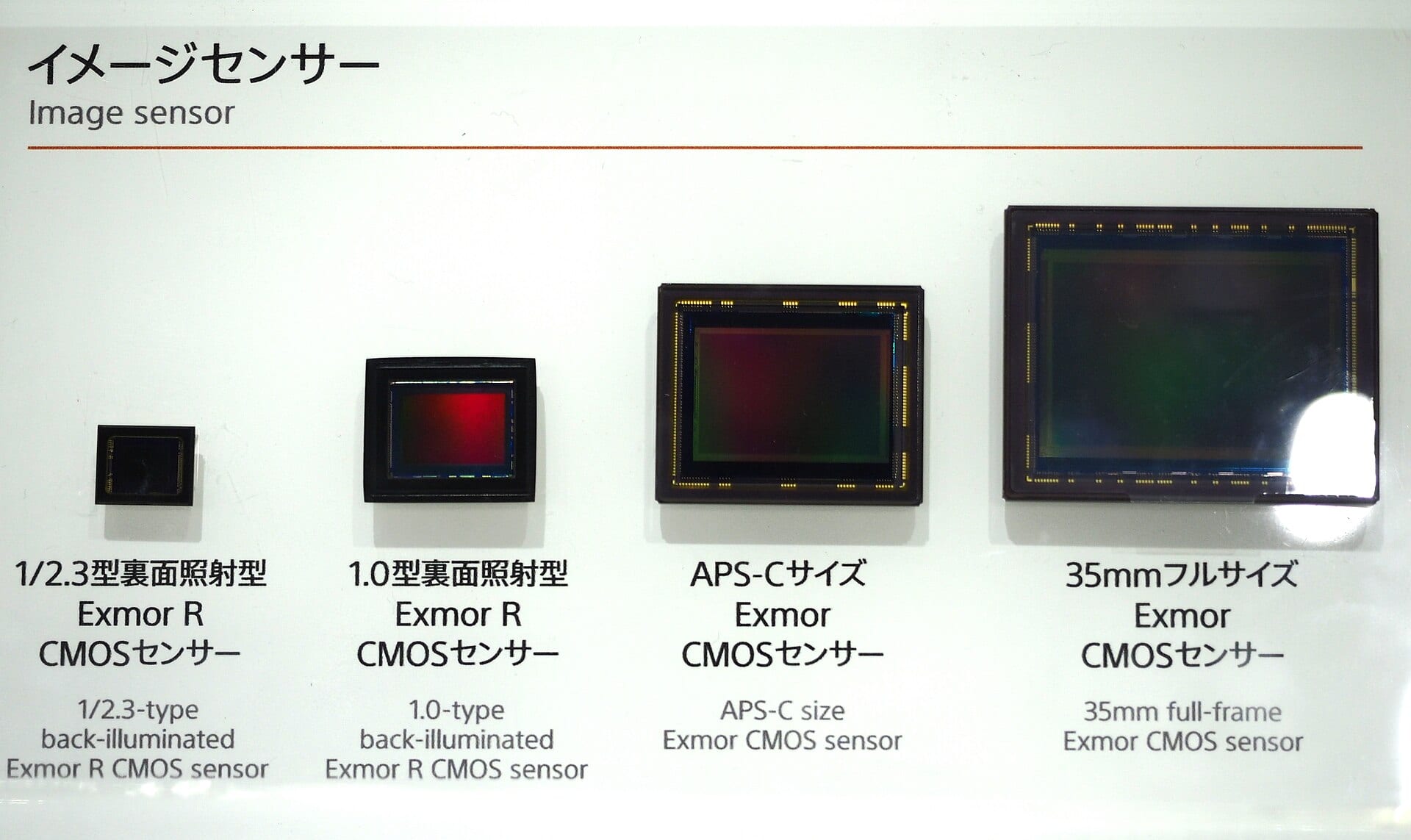

AI's memory bill has now reached the consumer-electronics supply chain, and the September quarter shows it landing on both sides of Sony−0.30% — Sony, down 0.30 percent as of its last quote at once. The image sensor segment sold 6% fewer yen of product into a smartphone market Sony says shrank about 20% because of memory conditions, yet posted a record ¥154.6 billion in operating income, up 12% 2. That gap between a shrinking market and a growing profit line is the whole argument about the stock, and it will be tested in the February quarter.
AI is bidding memory away from phones and cameras
Memory makers are steering capacity toward server DRAM and HBM for AI accelerators. TrendForce projects conventional DRAM contract prices up 10 to 15% this quarter and NAND up 15 to 20%, with DRAM increases gaining momentum in early 2027 14. Phone makers cut the cheap models first: mid-range and low-end phones declined significantly, while the high end held up 2.
Memory prices are forecast up 10 to 20% this quarter, NAND fastest
- Estimate
Data
| Value | Range | |
|---|---|---|
| DRAM contract (estimate) | 12.5% | 10–15% |
| NAND contract (estimate) | 17.5% | 15–20% |
| PC DRAM (estimate) | 15.5% | 13–18% |
Camera makers carry the same bill. Memory prices cut Canon's third-quarter profit by ¥19.8 billion, and Canon's policy is to offset 2027 procurement costs through price increases from next year onward 1. Canon also reports shortages of circuit boards and related parts since August "as a result of growing AI-related demand," with a significant impact on production 1. Nikon's imaging operating profit fell to ¥8.2 billion from ¥15.4 billion in the half year, and FUJIFILM booked a ¥2.5 billion imaging hit this quarter with ¥14 billion expected for the full year 1.
Price and mix carried what volumes dropped
Sony's operating income is at records even as its sensor market shrinks
A record profit quarter in the quarter its sensor market shrank by a fifth
Data
| Operating income | |
|---|---|
| Q2 '24 | 1.57 |
| Q3 '24 | 2.76 |
| Q4 '24 | 2.73 |
| Q1 '25 | 1.46 |
| Q2 '25 | 2.36 |
| Q3 '25 | 2.88 |
| Q4 '25 | 3.26 |
| Q1 '26 | 1.45 |
| Q2 '26 | 2.92 |
| Q3 '26 | 4.09 |
Shipment volumes of Sony's mobile sensors trended in line with the market, so units fell 2. Revenue fell only 6%, and the profit rise was helped by foreign-exchange effects and a better product mix 3. The company then raised the segment's full-year operating income forecast 7% to ¥450 billion while keeping the sales forecast flat at ¥2.12 trillion 23.
Guiding profit up on flat sales means Sony is betting that high-end mix and pricing keep doing the work volumes used to do. Group results let it carry that bet: record quarterly operating income of ¥622.3 billion, driven by games and Pictures, supporting the raised ¥13 trillion sales plan 23.
February's numbers have to prove the mix is real
Nobody has disclosed how much of the sensor segment's 12% was price, how much was currency, and how much was mix 25. So watch one thing in the next results: whether operating income keeps growing while sensor sales keep falling.
If it does, the high-end mix is real and the segment deserves its standing as the AI vision asset, the part Sony's joint venture with TSMC−5.80% — TSMC, down 5.80 percent today is built to serve in the era of physical AI 2. If sales fall faster than 6% and profit growth stops, the 12% was a one-quarter pricing effect 14. The risk is not hypothetical: memory inflation has a further leg coming in early 2027 14.
Sony pays on one side and charges on the other
Sony sits on both sides of AI's memory trade, buying the chips for its own hardware while selling sensors into the market the shortage is shrinking. The buyers on the other side are already being asked to pay: Canon's price increases start next year 1. Sony's sensors earn their premium only while the mix holds.
Get Chips by email, free
How AI demand is reshaping chipmakers, memory and the fabs behind them. In our daily email, every weekday.




Reader comments
0 comments