SpaceX holders would pay for a $3.5 trillion all-stock Tesla merger as index funds are forced to buy
A $3.5 trillion all-stock merger would make index funds the forced buyer of the combined stock, while SpaceX holders fund it with roughly 52% dilution. The exchange ratio, not the boardroom drama, decides whose money moves.
 Richard Tangtwo-minute read
Drafted with AI from the documents listed under Sources, then edited and fact-checked by Richard Tang. How we work
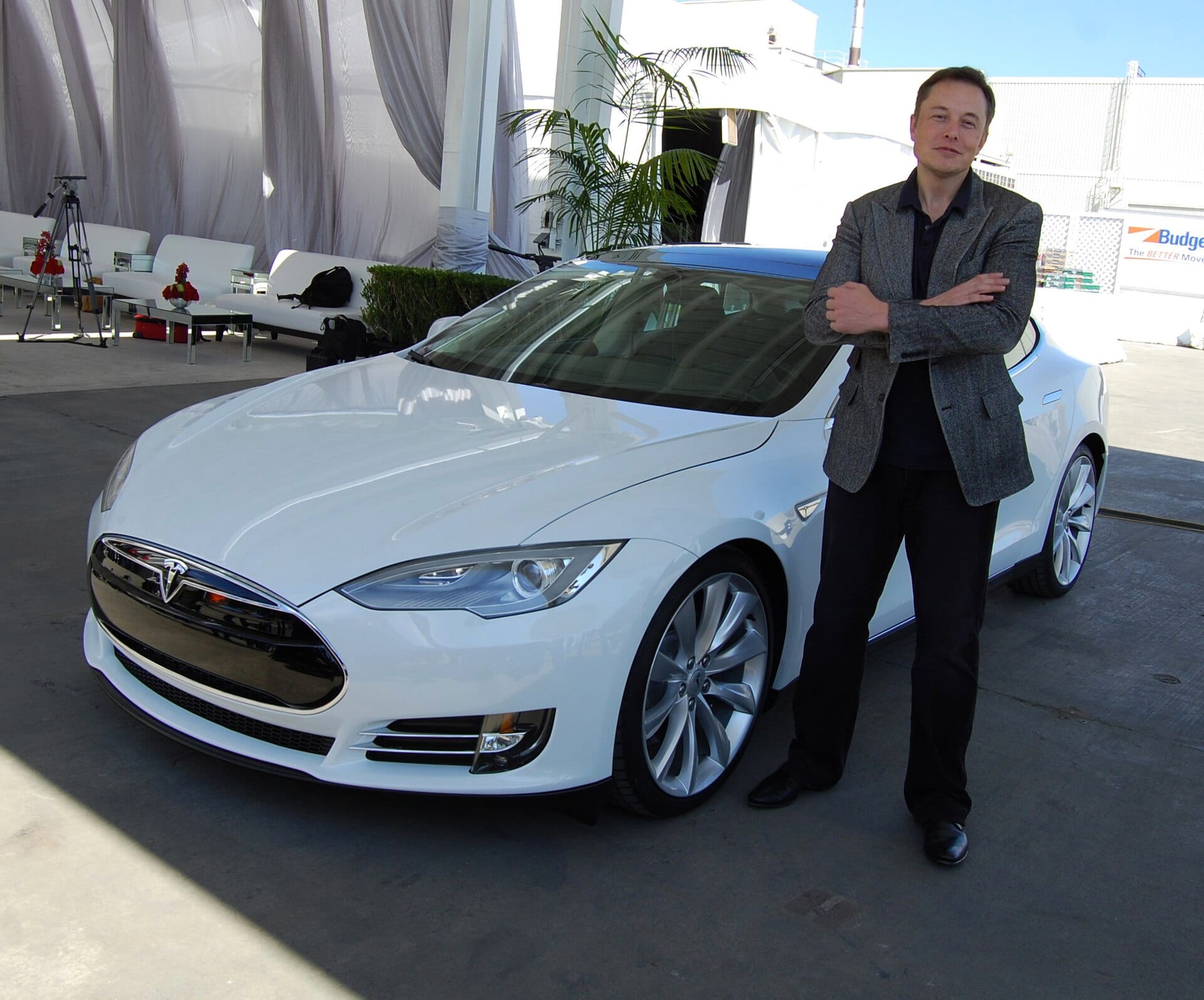
The press is covering the SpaceX+1.01% — SpaceX, up 1.01 percent today-Tesla−0.85% — Tesla, down 0.85 percent today merger as a status story: five directors, three banks, talks "not close yet". The part that decides who makes money is mechanical, not political. If the $3.5 trillion all-stock deal happens, the biggest buyer of the combined stock will be an index fund, and the people who pay for that buying are SpaceX shareholders. 1
The deal runs on SpaceX stock, so SpaceX holders pay
An all-stock deal makes SPCX the currency. At a 25% premium for Tesla, Gary Black of The Future Fund estimates roughly 52% dilution for SpaceX shareholders, and he is waiting to buy below $100, against a $125.81 close on Tuesday 1. His reason is the merger arb: with 12 to 18 months between announcement and close, traders short the SpaceX shares they expect to receive, and that selling erodes the offer's value until the premium "shrivels to zero". 1 A committee member's own words back the delay risk: the committees are not close. 2
The index trade is the other half nobody has priced
SpaceX went public in June and normally needs 12 months of trading history plus GAAP profits to enter the S&P 500 1 3. JPMorgan argues that merger precedent lets the index committee waive some of those requirements, pulling forward passive buying equal to about a tenth of SpaceX's free float, previously expected no earlier than September 2027. 1 3 Tesla, already in the index since 2020, is the acquisition vehicle, so Tesla holders gain that forced buying while SpaceX holders absorb the dilution funding it 4. S&P itself confirms it reviews each merger case by case, with no comment on hypotheticals. 4
The buyer at the end of this chain is not a believer. It is a fund tracking a benchmark, buying on a date the committee sets. That is why the real spread in this trade is committee judgment, not Musk's announcement. Watch the exchange ratio first; the index math follows from it.
SpaceX closed below its IPO price, and Black's entry sits 21% lower still
SpaceX already trades below its IPO price, and the arb thesis points lower
- Estimate
Data
| Value | |
|---|---|
| June IPO price | 135 |
| Nov 24 close | 125.81 |
| Black's buy level (estimate) | 100 |
Retail is split on timing, and both sides are arguing about the wrong variable. The vote and the boards make news; the index committee sets the price of the forced bid. If you own either stock, the exchange ratio and the index ruling, in that order, decide who pays.
Sources
- 1Stocktwits via Yahoo Finance, SpaceX Could Fall Below $100 On A Tesla Bid, Gary Black Says, 25 November 2026
- 2TNW, SpaceX and Tesla reportedly race to seal a $3.5tn merger this year, 25 November 2026
- 3Reuters via MSN, Possible Tesla merger could aid SpaceX's S&P 500 entry, JP Morgan says, 24 November 2026
- 4CNBC Make It, SpaceX, Tesla and Anthropic may reshape the S&P 500, but not right away, 27 October 2026
Get Deals by email, free
The acquisitions, rounds and contracts that move AI money. In our daily email, every weekday.
Reader comments
0 comments