Tesla's $30 billion credit: the $20 billion loan drops to $5 billion in 15 months; pricing due October 21
Tesla's headline $30 billion in credit is mostly uncommitted and the largest piece lapses on a schedule; the pricing that says what it is worth files with the Q3 10-Q on October 21.
 Vincent Jiang · 4 min read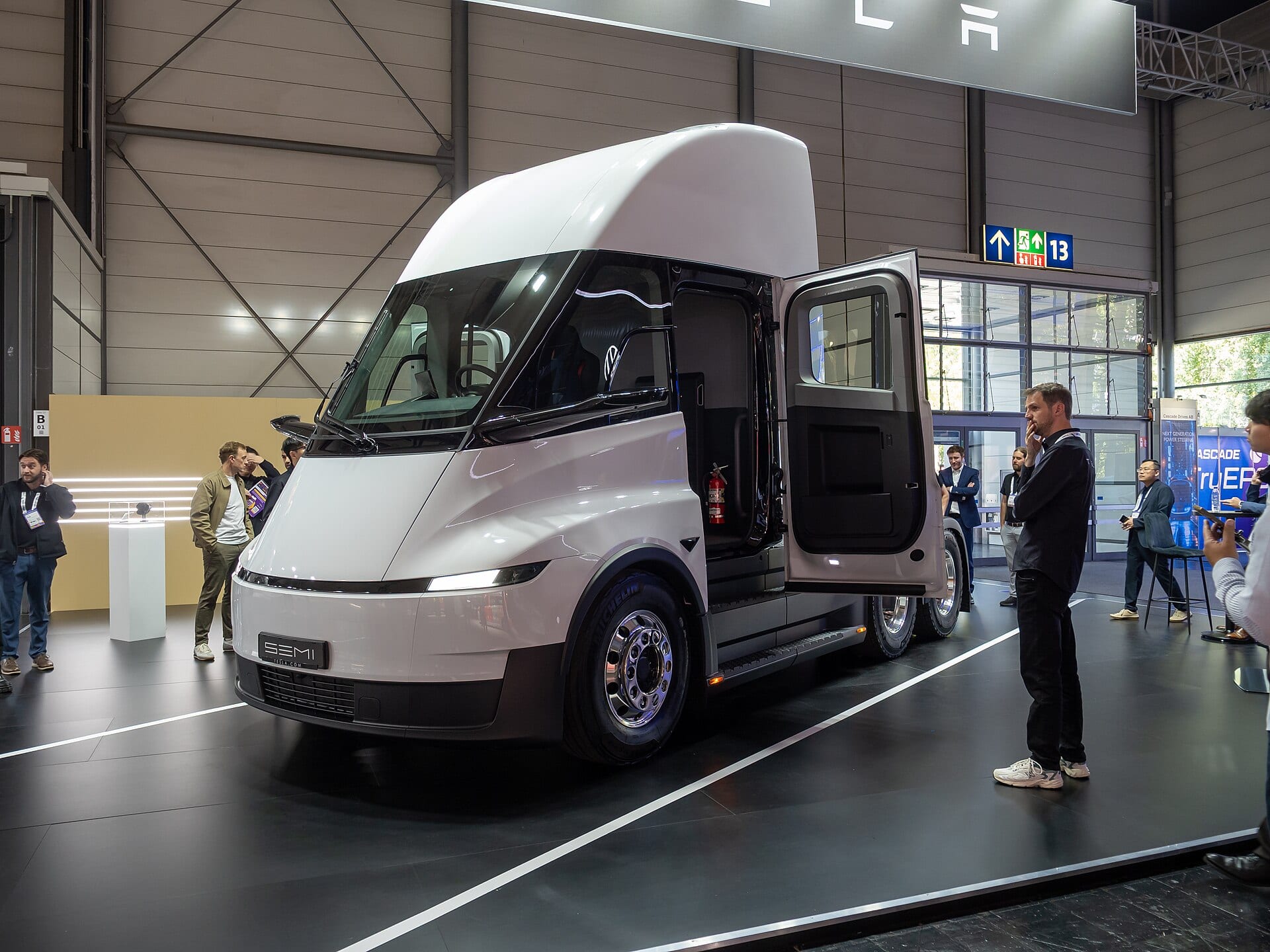

The pricing publishes on October 21
Tesla−1.45% — Tesla, down 1.45 percent today reports third-quarter results after the close on October 21 and files its Form 10-Q, the quarterly report whose exhibits include the new credit agreements, the same day 12. That filing shows for the first time what the banks charge: the interest margins, the rating grid and the ticking fee, which is the fee Tesla pays on commitments it has not drawn 3. The facilities themselves were signed on September 29, and the paperwork's fine print changes what the $30 billion headline means.
The filing names no product
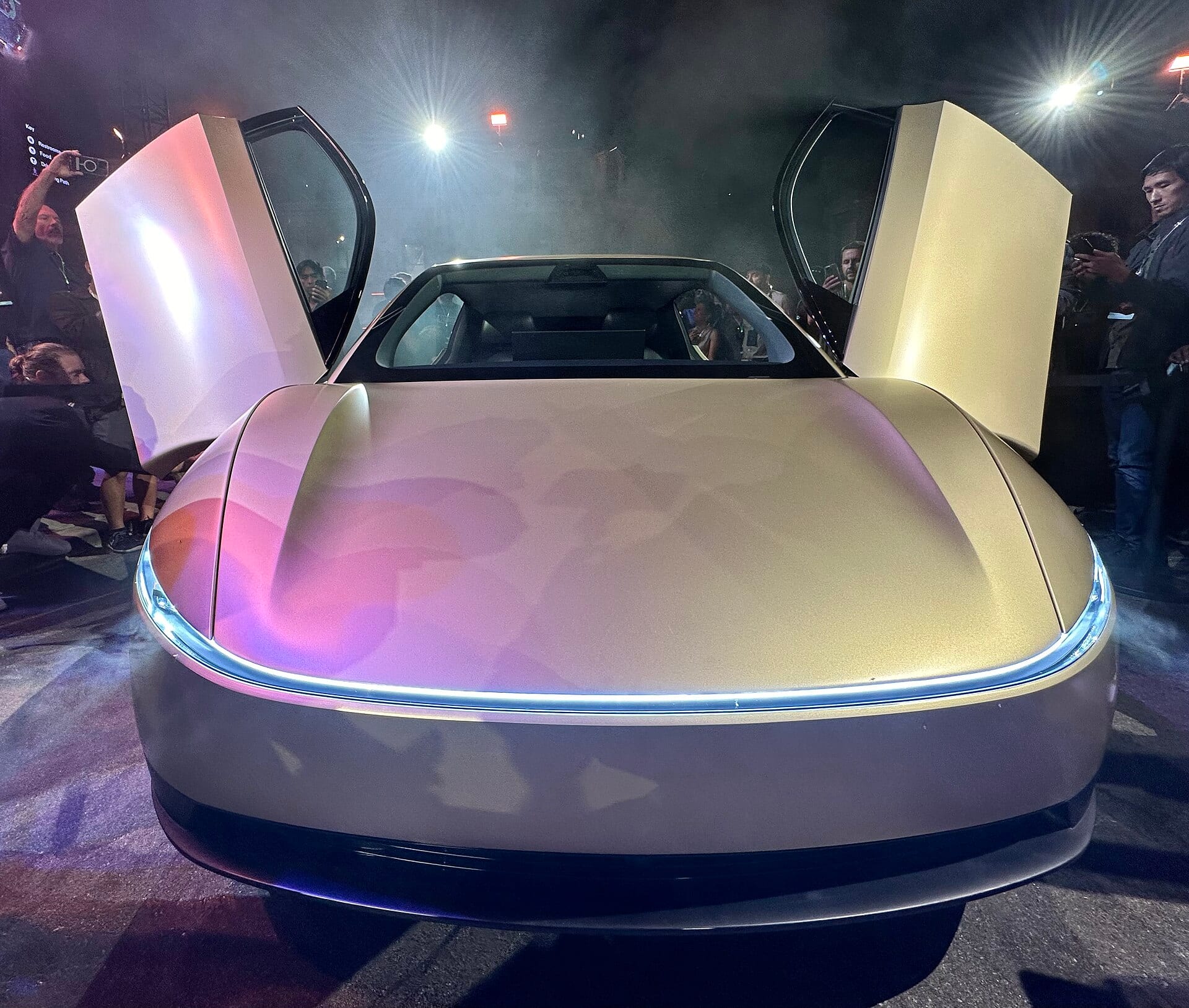
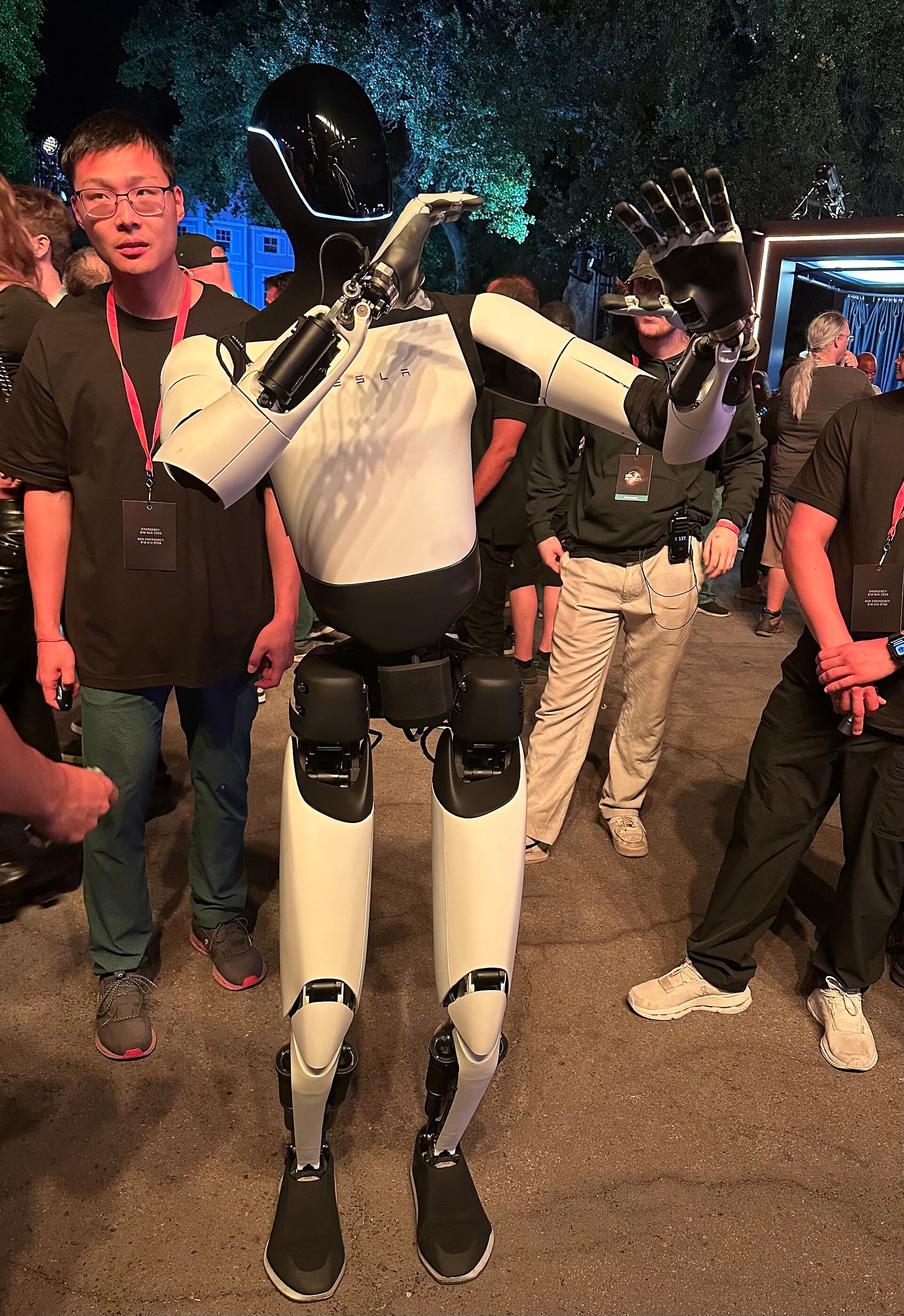
On September 29 Tesla filed an 8-K, a current report filed with the SEC for material events, establishing three senior unsecured credit facilities: a $20 billion three-year delayed-draw term loan with Citibank, an $8 billion five-year revolving facility and a $2 billion 364-day revolver, both with Wells Fargo+2.29% — Wells Fargo, up 2.29 percent as of its last quote 3. Coverage attributed the money to Cybercab, the robotaxi, to Optimus, the humanoid robot, and to Semi, the electric truck, each in a costly early ramp 45. The document names none of them. Its actual words say proceeds "may be used for general corporate purposes," and a full-text search finds no Cybercab, no Optimus, no AI, no robotics 23. General corporate purposes would cover those programs, so the attribution is not excluded; it is simply not stated.
The $20 billion shrinks to $5 billion within 15 months
The fine print sets a clock. Undrawn commitments on the $20 billion term loan fall to $10 billion on the first anniversary of closing, to $5 billion at fifteen months, and terminate entirely at eighteen months, with no more than ten draws in that window and a ticking fee charged daily on whatever sits unused 3. Tesla owed nothing at signing and stated it does not currently plan to draw in 2026, a statement of present intent rather than a commitment 3. Item 1.02 of the same 8-K, the item covering agreement terminations, closed a $5 billion revolver dated January 2023 that was due 2028, so net new revolving capacity is $5 billion, not $10 billion 3. None of the $30 billion is committed borrowing, and the largest chunk lapses on a schedule if it goes unused.
The $20 billion term loan expires on a schedule: zero undrawn at month 18
Data
| Value | |
|---|---|
| At signing | 20 |
| 12 months | 10 |
| 15 months | 5 |
| 18 months | 0 |
The spending is real and already tripled
Tesla forecasts capital spending above $25 billion this year against roughly $8.5 billion in 2025, and first-half 2026 capex reached $8.28 billion, more than double a year earlier 4710. Semi volume production began at Giga Nevada on September 25 on a 50,000-unit annual line, with a 2,500-truck order from a Microsoft+0.88% — Microsoft, up 0.88 percent today- and PepsiCo−0.67% — PepsiCo, down 0.67 percent today-backed venture and list prices of $260,000 to $290,000 per truck 6. The quarterly filings show the turn: capex hit $5.8 billion in Q2 2026, up 142 percent year over year, after two years between $1.5 billion and $3.5 billion a quarter, and free cash flow went negative that quarter at minus $1.1 billion, the first since Q1 2024 89.
Capex tripled into the credit signing: $5.8 billion in Q2 2026
Data
| Capex | |
|---|---|
| Q1 '24 | 2.78 |
| Q2 '24 | 2.27 |
| Q3 '24 | 3.51 |
| Q4 '24 | 2.78 |
| Q1 '25 | 1.49 |
| Q2 '25 | 2.39 |
| Q3 '25 | 2.25 |
| Q4 '25 | 2.39 |
| Q1 '26 | 2.49 |
| Q2 '26 | 5.79 |
Two readings fit the same document
TechCrunch framed the lines as fuel for scaling Cybercab, Optimus and Semi, each of which required new manufacturing lines 4; Investor's Business Daily says the money funds AI capex including the Terafab chip project with SpaceX−2.16% — SpaceX, down 2.16 percent today and a solar cell factory 9; the Motley Fool reads the structure as a sign Tesla may need to borrow for a major 2027 outlay, with the fortress balance sheet era over 10. Electrek counters that profits are thin, free cash flow just turned negative, and $43 billion of cash on hand did not stop Tesla from arranging the credit 7. All of it fits the document, because the 8-K attributes the money to nothing 3. Tesla held about $43.5 billion in cash and short-term investments at June 30 against $9.1 billion of debt, so the capacity is insurance, not survival 10.
Insurance, not survival: $43.5 billion of cash dwarfs $9.1 billion of debt
Data
| Value | |
|---|---|
| Cash and short-term investments, June 30 | $43.5B |
| New credit capacity, signed September 29 | $30B |
| Total debt, June 30 | $9.1B |
Check the exhibits on October 21
The Q3 call carries 486,532 reported deliveries, 13.7 GWh of storage, and consensus near $27.8 billion in revenue and 43 to 45 cents per share, with Goldman Sachs+1.29% — Goldman Sachs, up 1.29 percent as of its last quote arguing the Robotaxi, FSD and Optimus outlook matters more to the stock than the quarter 1. Before treating the $30 billion as pre-funding for the capex tripling, read the credit-agreement exhibits filed with the 10-Q on October 21: the margins and the ticking fee decide what this capacity is worth 23. Meanwhile the eighteen-month clock on the $20 billion is already running, and at month fifteen it holds $5 billion, a quarter of the headline number.
Deepdive
AI-generated from this story and its cited sources. Not investment advice.