Tesla's Cybercab Is Here. The Hard Part Is Paying for It.
Removing the driver removes one cost. Depreciation, insurance, cleaning, charging and the miles nobody pays for all remain.
 Vincent JiangSeptember 16, 2026 · 5 min read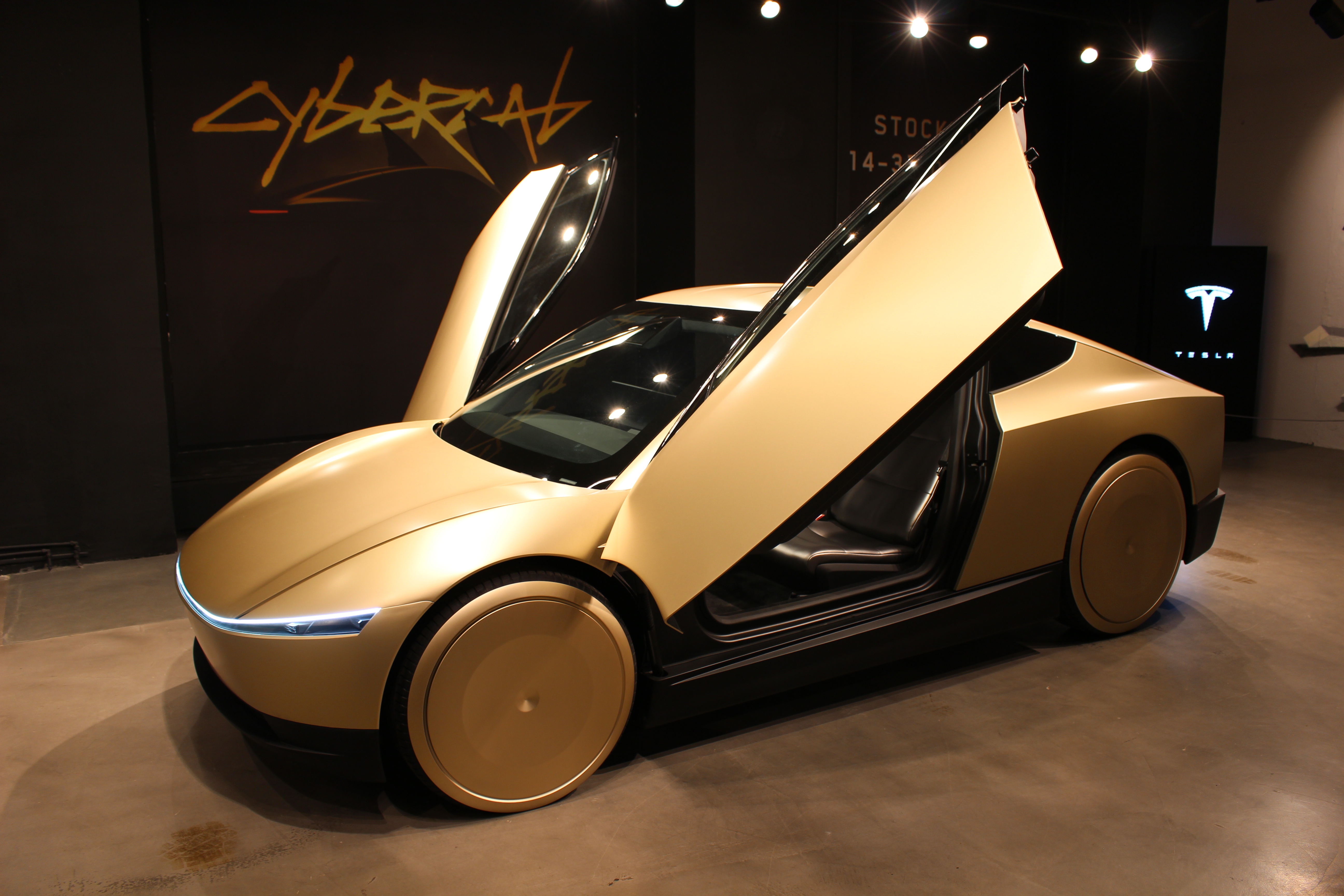
Reporter Asher Price's Cybercab ride was easy, but it dropped him beside the restaurant he wanted 1.
One trip cannot establish reliability. It does capture the distance between making a car drive itself and delivering a service people choose repeatedly. Tesla is crossing that distance while funding a major expansion: it expects capital spending above $25 billion this year 2.
Cybercab, growing EV competition and speculation about a SpaceX merger belong in the same investment argument. All three determine where Tesla's capital goes and what shareholders receive for it.
Tesla's car recovery is real, and competition still matters
Start by discarding the easy story that Tesla's car business is simply collapsing. Second-quarter deliveries reached 480,126, up 25% from a year earlier. In the first half, Tesla registrations across the EU, EFTA and UK increased 54.6%, faster than the region's 35.1% growth in battery-electric cars 3,4.
That recovery does not guarantee pricing power. Spain illustrates the distinction: through August, its battery-electric market grew 34.2%, while Model 3 and Model Y registrations grew approximately 4.4% and 5.5%. They remained the leading individual models, but their combined share was shrinking 5.
The pressure also reaches the product itself. BYD claims its new battery and compatible charging system can replenish from 10% to 70% in five minutes. That is a manufacturer's claim requiring the appropriate infrastructure, but it shows rivals competing over ownership convenience as well as price 6.
Tesla can keep growing while each additional sale becomes harder to win profitably. Its own quarterly update identifies lower vehicle selling prices, excluding currency effects and including changes in product mix, as a drag on earnings 7.
Cybercab changes who carries the costs
Tesla now offers Cybercab rides in limited areas of Austin. That is a real commercial step beyond a prototype, although it is narrower than the broader Model Y Robotaxi service 8.
Removing the driver creates a potential labor saving. It leaves depreciation, insurance, cleaning, charging, repairs and customer support. Empty journeys still consume vehicle life. Downtime still reduces the revenue available to cover fixed costs.
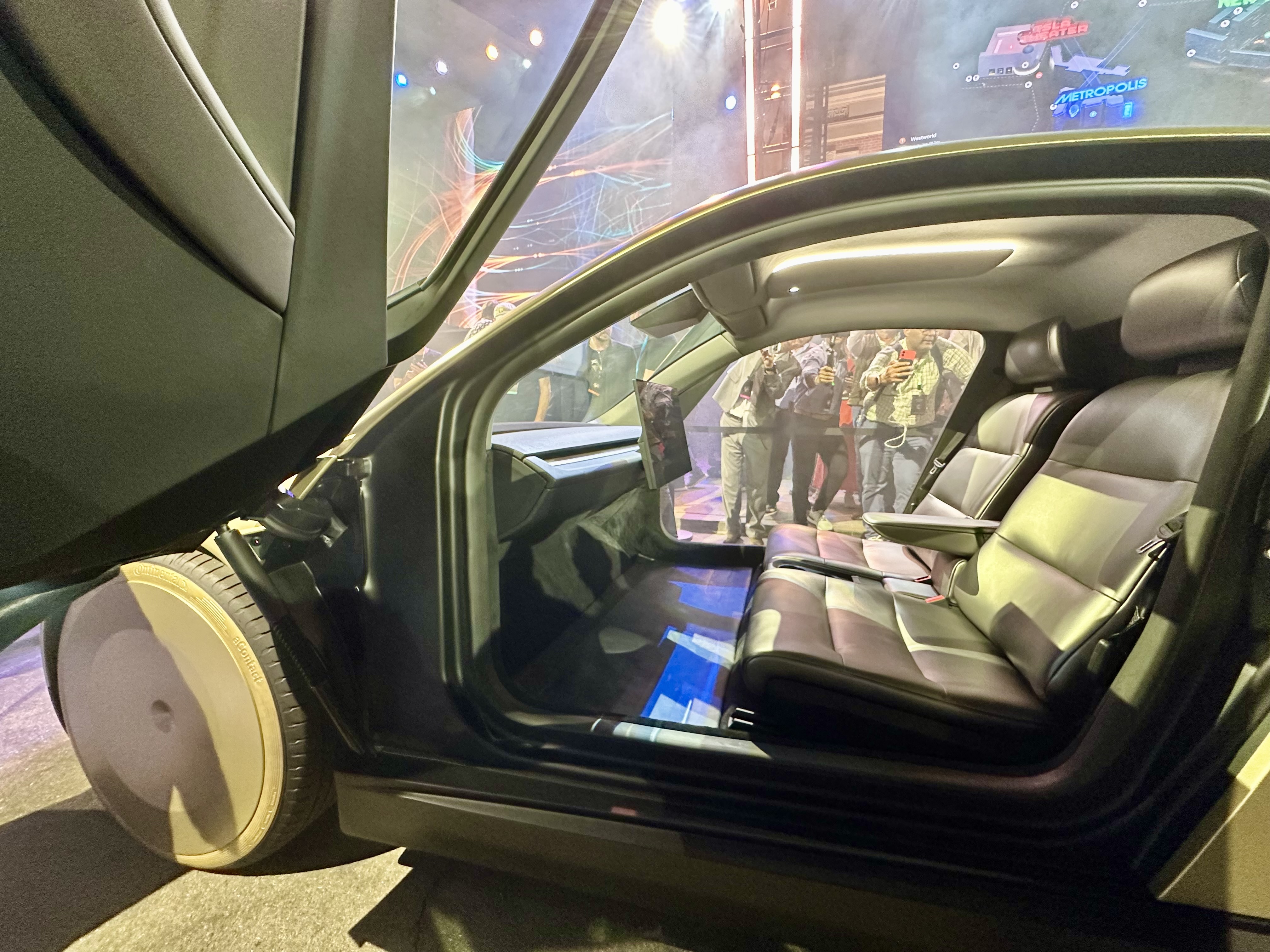
Tesla's interest form now solicits prospective Cybercab fleet purchasers and infrastructure partners. It does not disclose vehicle prices, revenue sharing or operating commitments 9.
Outside ownership could reduce Tesla's capital burden. But fleet owners must earn acceptable returns too. If their costs consume the fare, Tesla cannot indefinitely preserve both a generous platform fee and an attractive return for the owner. The missing disclosure is a fleet income statement: revenue per vehicle, paid utilization, operating expenses and capital required.
The competition follows Tesla into autonomy
Cybercab enters a market with operating competitors. Waymo reports more than 500,000 fully autonomous trips a week. That establishes customer activity, not profitability, but it raises the standard Tesla must meet for availability and service 10.
Uber's partnership with Hertz's Oro operation makes the less glamorous work explicit: charging, repairs, cleaning and depot staffing are part of its autonomous fleet plan. Tesla's manufacturing advantage has to survive those same operating chores 11.
Regulation adds another condition. On September 4, NHTSA announced an inquiry into Tesla's basis for certifying Cybercab's compliance with federal standards. An inquiry is not a finding of violation. It does mean investors should distinguish rides already operating from a regulatory path that has been fully resolved 12.
More deliveries have not produced more operating profit
Tesla's unaudited second-quarter operating income fell from $923 million to $398 million despite the delivery rebound. Gross profit increased, but operating expenses increased faster. Research, stock compensation and other spending matter here; competition alone does not explain the decline 7.
“A robotaxi becomes a business when the whole ride earns a return, including the miles nobody pays for.”
Capital spending creates a separate cash test. Tesla generated $4.7 billion of operating cash in Q2 and spent $5.8 billion on capital investment, leaving approximately $1.1 billion of negative free cash flow. Capital expenditure is not the same as current operating expense, and it would be wrong to deduct that spending again from operating profit 7.
The investment case therefore depends on future returns improving enough to justify today's spending. Delivering more cars helps fund that transition; it does not prove the transition works.
SpaceX offers overlap, not a merger agreement
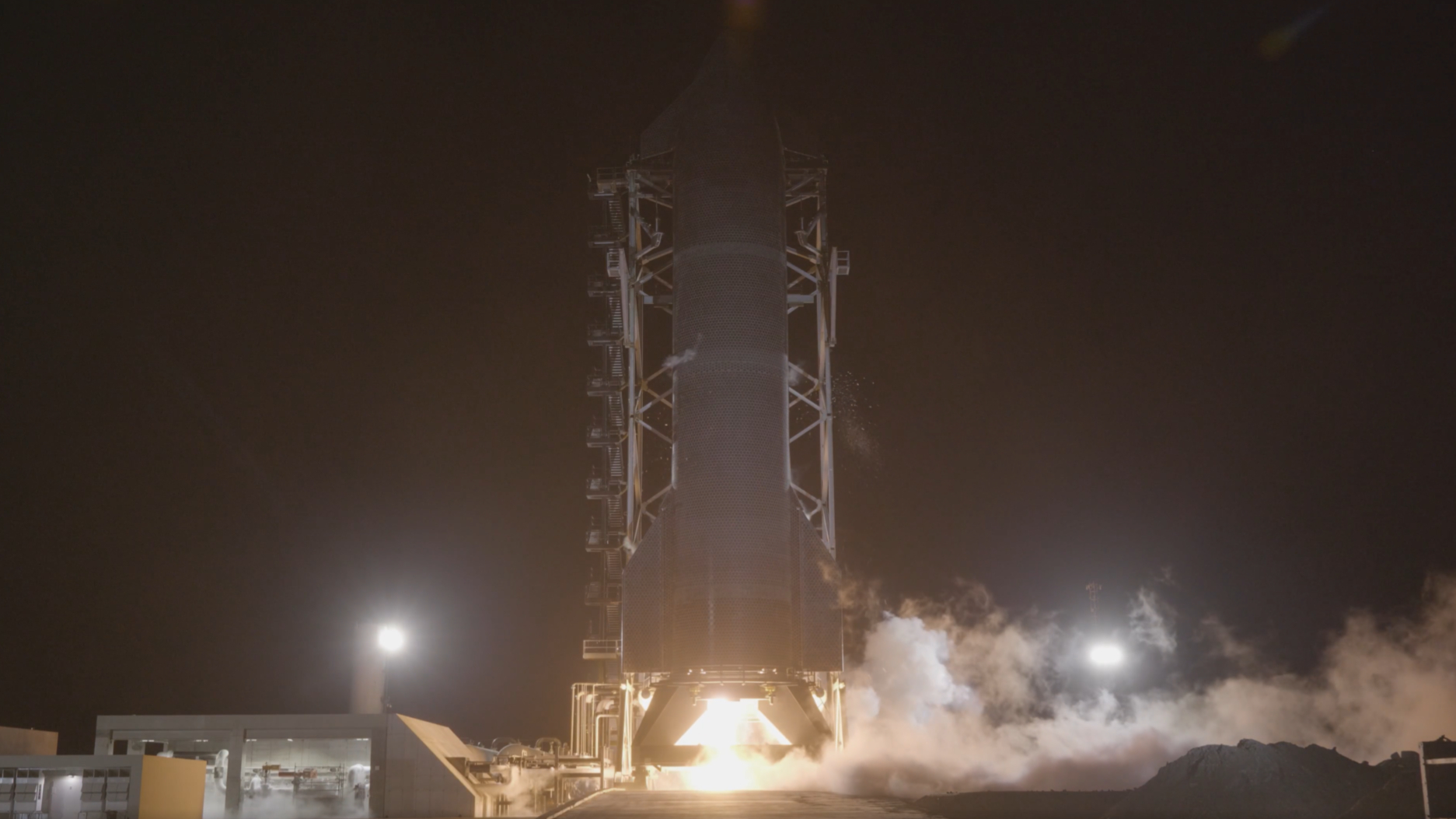
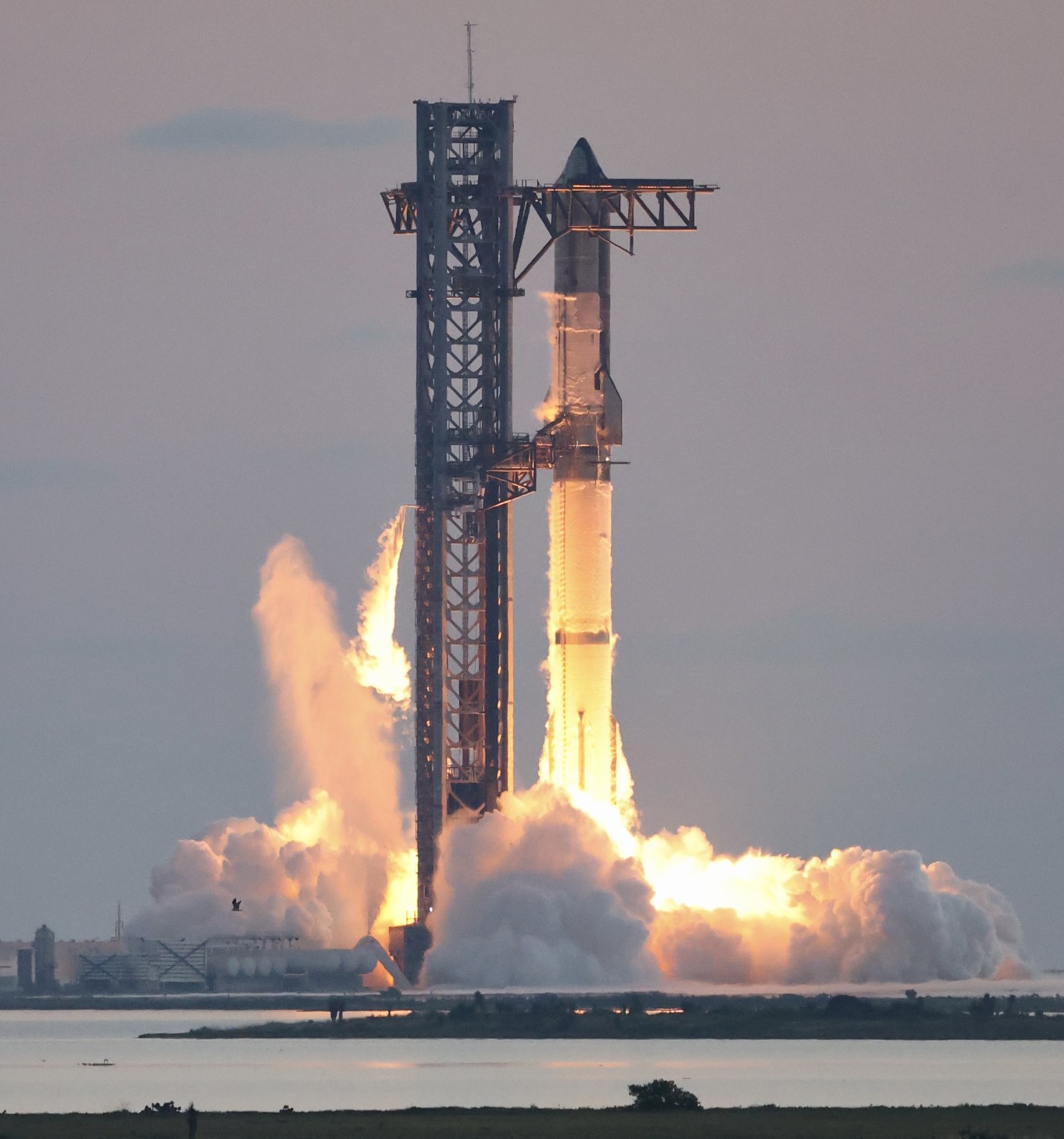
At this week's All-In Summit, Elon Musk encouraged discussion of combining Tesla and SpaceX. As of September 16, no definitive merger agreement or exchange terms have been announced 13.
The existing relationship is concrete. In March, Tesla completed a roughly $2 billion SpaceX investment following conversion of its xAI commitment. It owns less than 1% and recorded $318 million of second-quarter Megapack revenue from SpaceX. It also recognized approximately $1 billion of unrealized investment gains, recorded outside operating income. That gain is not cash generated by cars or robotaxi rides 2.
Those transactions create a higher hurdle for a merger. Collaboration already produces revenue without merging the companies. A combination would need to create additional value through capabilities or costs that ordinary contracts cannot capture as effectively.
For Tesla shareholders, the decisive details would be the exchange ratio, ownership dilution, spending commitments and governance. Shared technology can be useful. The price paid for it still determines the return.
The bull case needs an operating scoreboard
Tesla has a credible advantage in combining vehicle manufacturing, charging infrastructure and software. It also ended June with $43.5 billion of cash and short-term investments. That gives it room to improve Cybercab rather than demand immediate profits from an early rollout 2.
The strongest bull case is that cheaper vehicles, better autonomy and dense local demand reinforce one another. More paid use spreads vehicle costs across more fares. Outside fleet capital could then accelerate expansion without Tesla financing every asset.
Watch for signed fleet terms, repeatable paid utilization and disclosed operating costs. If merger speculation becomes a proposal, judge the ownership terms alongside those operating results.
The next useful Cybercab milestone is a fleet owner showing the return.
How this brief was made
01Gathered & sourced187 channels · 2,268 articles▾
Agents swept 187 channels and ingested 2,268 articles, then de-duplicated and ranked them for signal.
02Verified & cross-validated13 claims · 34 data feeds▾
Every one of 13 load-bearing claims was checked against primary sources, with 34 live data feeds reconciling the figures and charts.
- 1Axios Austin, Asher Price, "My Cybercab ride", 16 September 2026
- 2Tesla, Form 10-Q for the quarter ended 30 June 2026
- 3Tesla, second-quarter 2026 production, deliveries and deployments
- 4ACEA, new car registrations report, June 2026
- 5ANFAC, electrified and low-emission vehicle registrations, August 2026
- 6BYD, second-generation Blade Battery and Flash Charging announcement, March 2026
- 7Tesla, second-quarter 2026 update, 22 July 2026
- 8Tesla, Cybercab robotaxi support page, accessed 16 September 2026
- 9Tesla, robotaxi fleet interest form, accessed 16 September 2026
- 10Waymo, sustainability and operations blog, accessed 16 September 2026
- 11Uber investor relations, Hertz and Uber autonomous fleet partnership, 30 April 2026
- 12NHTSA, investigation into Tesla Cybercab self-certification, 4 September 2026
- 13All-In Summit, Elon Musk interview, September 2026
03Reviewed & edited1 human editor▾
One editor read the draft against the evidence, tuned the framing, and signed off before it shipped.
Confidential tips
Know something about this story? We protect our sources. Reach the editor directly, or read our guide to sharing securely.
Deepdive
AI-generated from this story and its cited sources. Not investment advice.