The Pentagon now owns 40% of the factory behind Anduril's $90 billion price
A $3.7 billion private bet plus $2.9 billion of Navy money buys the government two-fifths of the factory that Anduril's $94.80 employee tender is priced on, and the deal terms show the mark rests on Navy certification milestones rather than orders.
 Richard Tang · 4 min read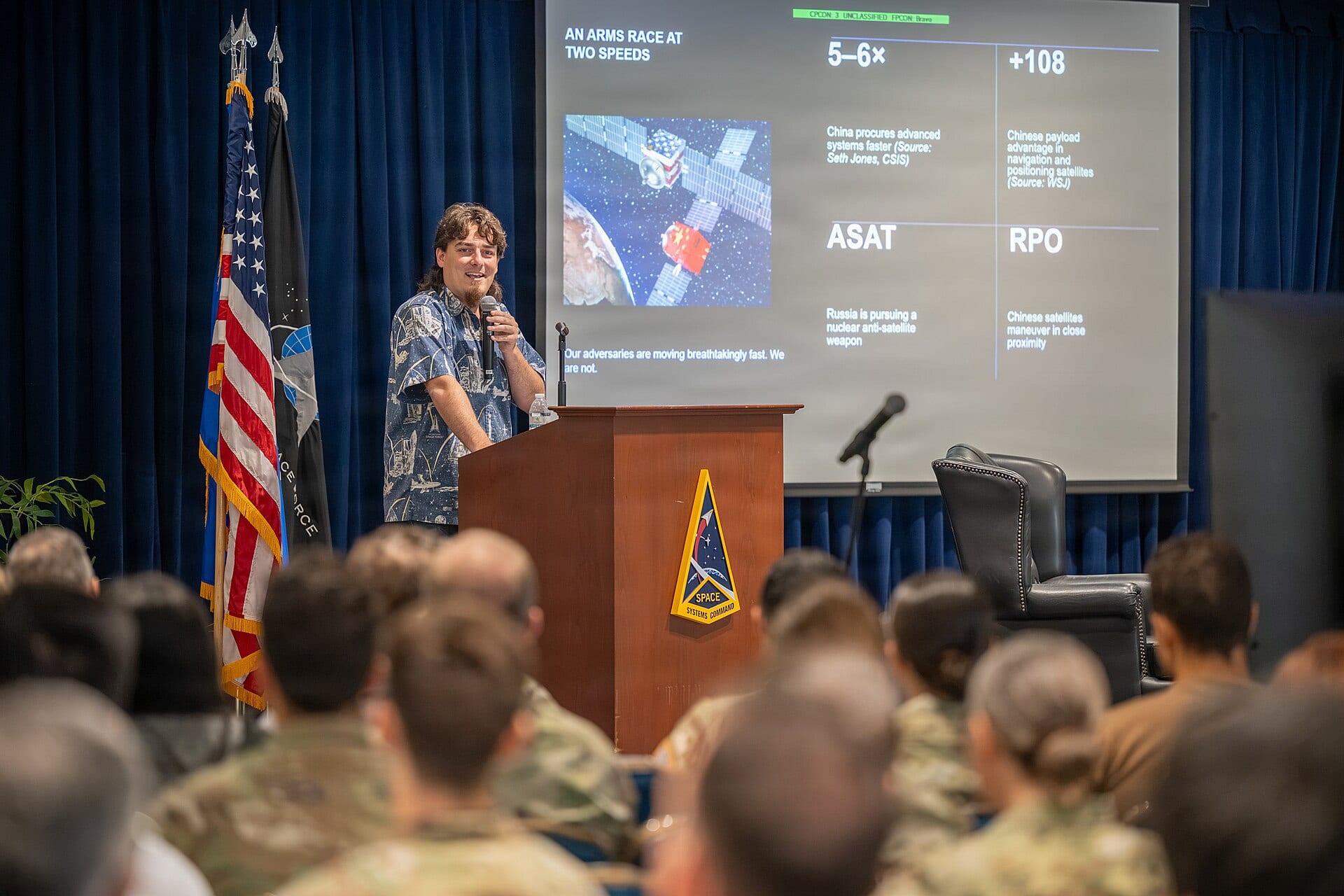
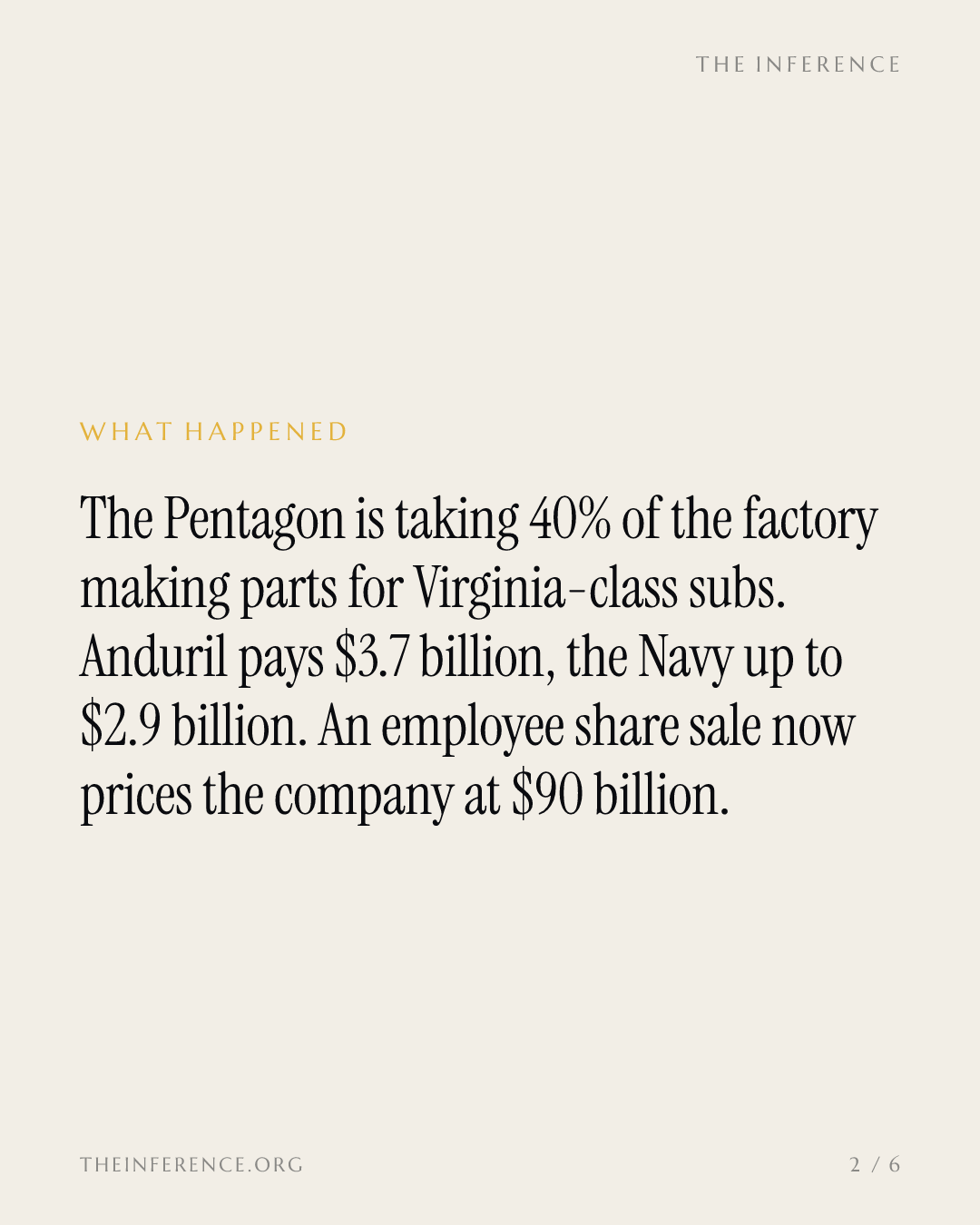
The Pentagon has moved from buying Anduril's$123.86B — Anduril, private, latest valuation $123.86B products to buying into its factory floor. InsideDefense reported on October 15 that the government is taking a 40% ownership stake in Arsenal-2, the planned factory for Virginia-class nuclear attack submarine components at Tradepoint Atlantic in Baltimore County, funded by $3.7 billion of Anduril's own money plus up to $2.9 billion from the Navy 1. President Donald Trump announced the taxpayer stake himself at the Sparrows Point site on October 6: "We get 40 percent" 2. That is the fact the $90 billion employee tender, open from October 13 to November 9 at $94.80 a share, now has to be read against 3.
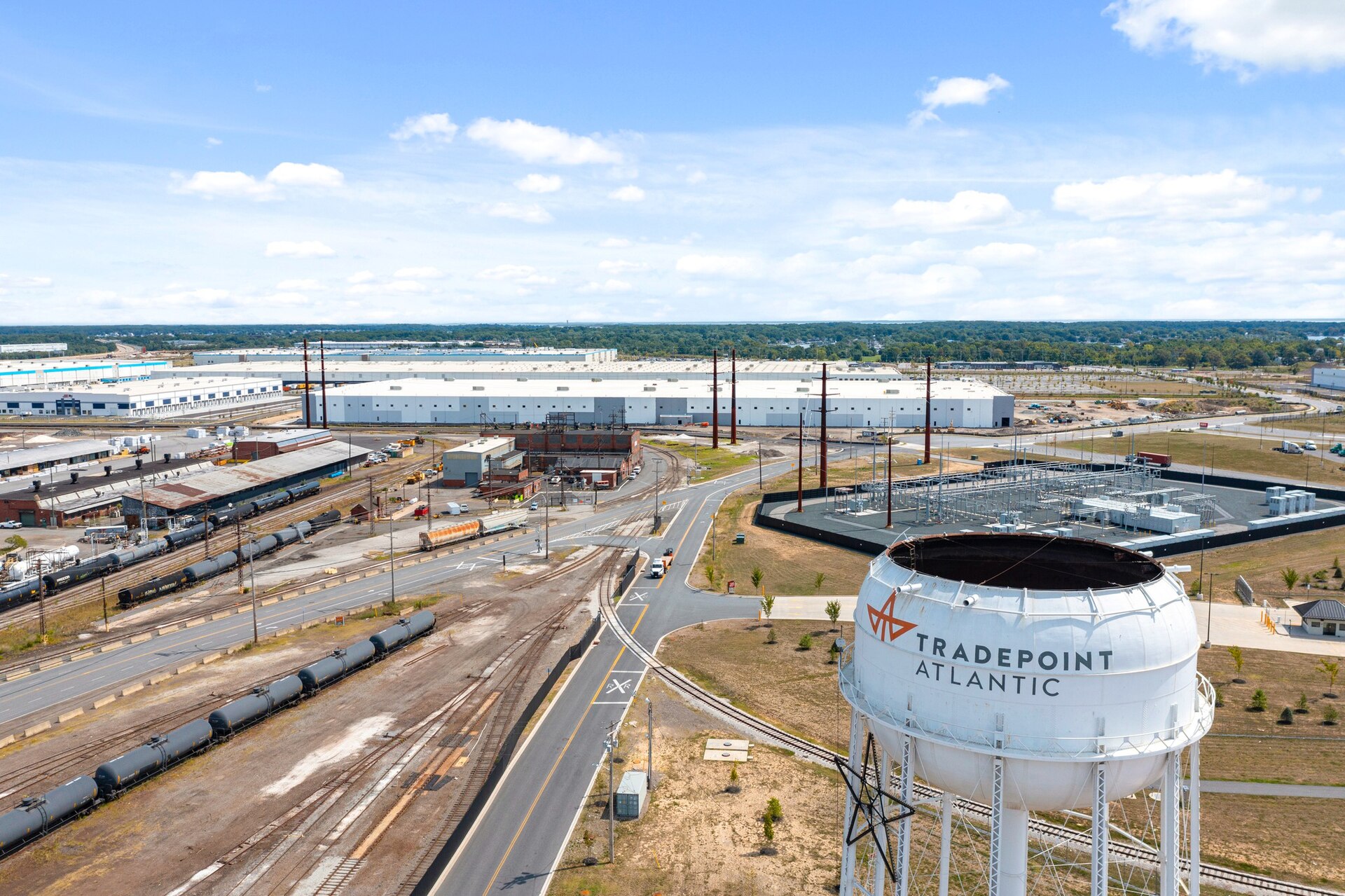
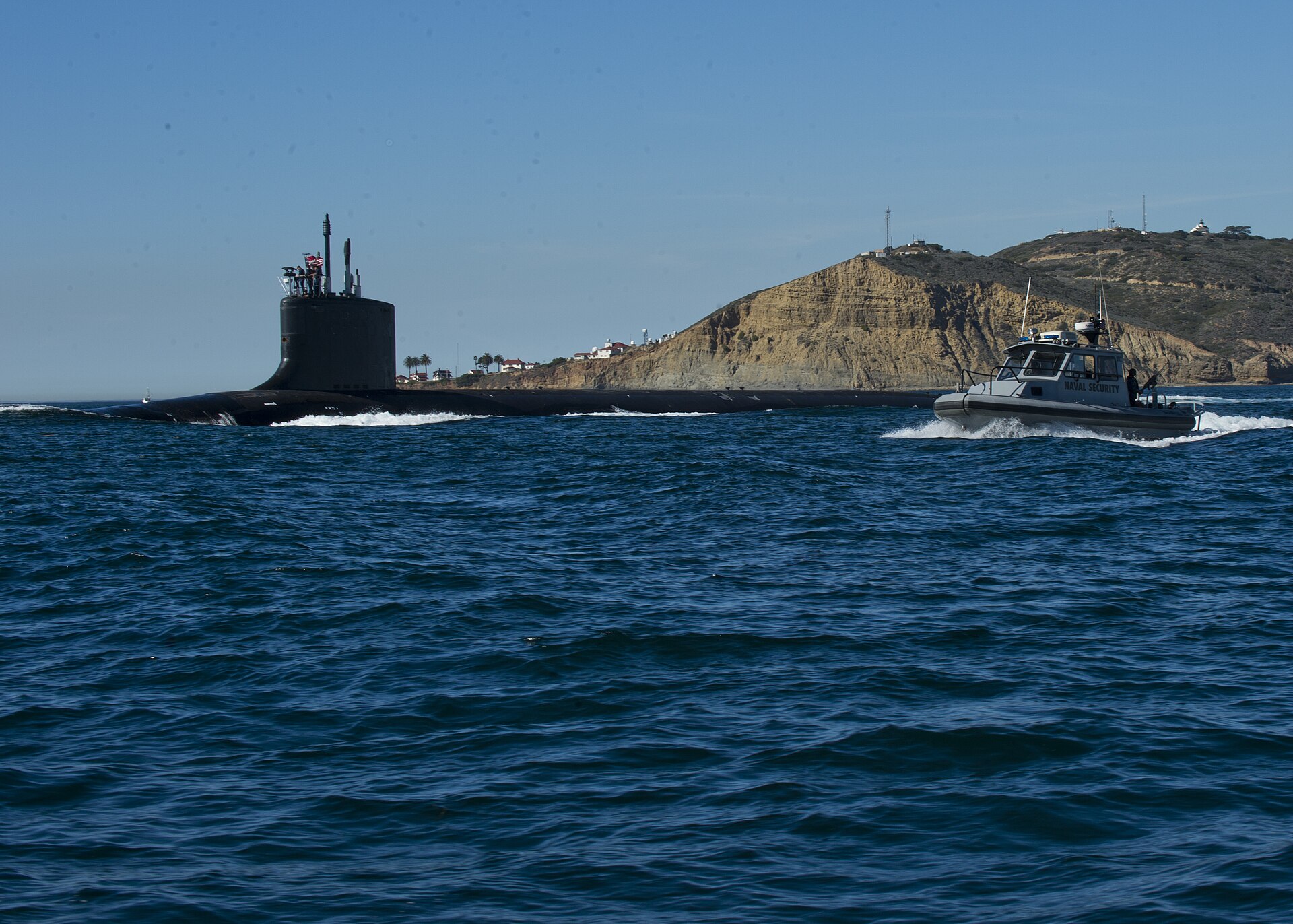
The factory exists to unblock the Navy's worst bottleneck
US yards deliver roughly 1.3 Virginia-class boats a year against a goal of two, and torpedo tubes are what a senior administration official calls the "gating component" slowing production 2. Arsenal-2, due to start producing in 2030, will make torpedo tubes and large structural assemblies for General Dynamics+2.29% — General Dynamics, up 2.29 percent today Electric Boat and Huntington Ingalls'+1.77% — Huntington Ingalls, up 1.77 percent as of its last quote Newport News yard, the two builders of the class, and the administration expects it to add about 15% to the class's production capacity 124. Anduril's bet underneath those numbers is ArsenalOS, its industrial software platform, which ties fabrication, inspection and documentation into one system 5. The funding split follows the same logic: Anduril pays for the factory, the government pays for what it produces 2.
A minority stake that buys no order book
The stake sits in a newly formed shipyard company, taken under Defense Production Act and Industrial Base Fund authorities and described as a "minority, non-control" investment; the government is not buying into Anduril itself 26. It buys no order book. The Navy's money flows through Electric Boat, which sets the specifications, and Anduril must fabricate and Navy-certify four test components before it gets the "opportunity, but not the entitlement" to compete for production work 2. The contract also ties payments to "demonstrated production outcomes" 6. So, under the reported terms, the tender mark rests on milestones, not backlog. Anduril is already working the first of those milestones: a new California plant is meant to validate its production methods for two years before Arsenal-2 opens, and the company's own release says Anduril, not the taxpayer, takes on the majority of the execution risk 7.
| Term | Figure |
|---|---|
| Government stake in the new shipyard company | 40% |
| Anduril's own funding for the factory | $3.7 billion |
| Navy shipyard contract | Up to $2.9 billion |
| Total cost of the Arsenal-2 complex | $6.6 billion |
| Employee tender valuation | $90 billion |
| Tender price per share | $94.80 |
| Tender window | October 13 to November 9, 2026 |
| Test components to be Navy-certified | Four |
| Arsenal-2 production start | 2030 |
| Expected addition to class production capacity | About 15% |
Luckey's Pentagon role raises conflict questions
The Navy's up-to-$2.9 billion shipyard contract was announced on October 6, days after co-founder Palmer Luckey was named to Project Meridian, the Pentagon's future-of-warfare study 8. The study runs about 120 days and is co-led by Luckey, Elon Musk and former House Speaker Newt Gingrich 9. CEO Brian Schimpf told CNBC the company wins "based on the merits" through competitive processes 8. Ethics scholars told NPR the arrangement is a conflict risk, and the Defense Department has not said whether Luckey serves as a special government employee or a contractor 9. Notably, the 40% stake itself was kept off the administration's own press call on the deal 2.
Listed builders get capacity without paying to build it
Barron's notes Anduril's private mark now tops Northrop Grumman+3.68% — Northrop Grumman, up 3.68 percent as of its last quote and roughly matches General Dynamics 10. GD and HII gain a component supplier the government co-owns: they get the component capacity without paying to build it, but their customer the Navy now sits inside the supplier's ownership 124. HII's Newport News president has welcomed Anduril as a "future subcomponent partner" 7. HD Hyundai, Anduril's undersea partner since 2024, says it will review proposals to extend the tie into submarine components, though nothing specific is under discussion 4. For employees selling at $94.80, the government stake is the strongest execution cover a private mark can get: the customer now shares the factory risk and has paid for the right to watch it work. The number that matters next is not the tender's November 9 close but Navy certification of those four test components, which is what turns the $90 billion mark from a valuation into a business.
Deepdive
AI-generated from this story and its cited sources. Not investment advice.