The Seat Salesforce Sells Is Shrinking, and the Agent Replacing It Costs 2.5 Cents
Call-center employment has fallen for eight straight quarters and Salesforce itself halved its support desk. Whether agents add revenue or cannibalise seats now turns on one pricing choice, tested by SAP tonight and Salesforce in December.
 Richard Tangtwo-minute read
*Call-center employment has fallen eight straight quarters, Salesforce−4.05% — Salesforce, down 4.05 percent today halved its own support desk, and the agent that replaces a seat now costs about 2.5 cents a task. The question for Salesforce and, tonight, SAP−5.56% — SAP, down 5.56 percent today is whether agents add a bill only when software prices the outcome instead of the user.*
The seat pool is contracting at the source
Enterprise software invoices by the seat, and this week's receipts say the seat pool is shrinking. Global call-center employment sits 5.3% below its December 2023 peak, down year over year for eight straight quarters, and companies are replacing fewer leavers rather than staging layoffs 1. The loudest adopter sells the seats: Marc Benioff says AI helped cut Salesforce's own customer-service workforce from 9,000 to about 5,000 1. For the workers the exit is poor, with only about one in ten former call-center agents in Revelio's mid-income countries landing a better-paying role 1.
The agent that replaces the seat costs 2.5 cents a task
xAI's$200B — xAI, private, latest valuation $200B Grok Voice 3.0, launched October 14, runs about $0.025 per task against $0.030 for GPT-Live-1 and $0.055 for GPT-Realtime-2.1 1. Starlink call centers already route some 20,000 calls a day through it, resolving roughly 70% with no human in the loop 1. The resolution, not the minute, is what the customer used to hire a person for.
Grok Voice 3.0 undercuts OpenAI's voice agents on price per task
Data
| Value | |
|---|---|
| Grok Voice 3.0 | 0.03 |
| GPT-Live-1 | 0.03 |
| GPT-Realtime-2.1 | 0.06 |
Salesforce has already priced the outcome
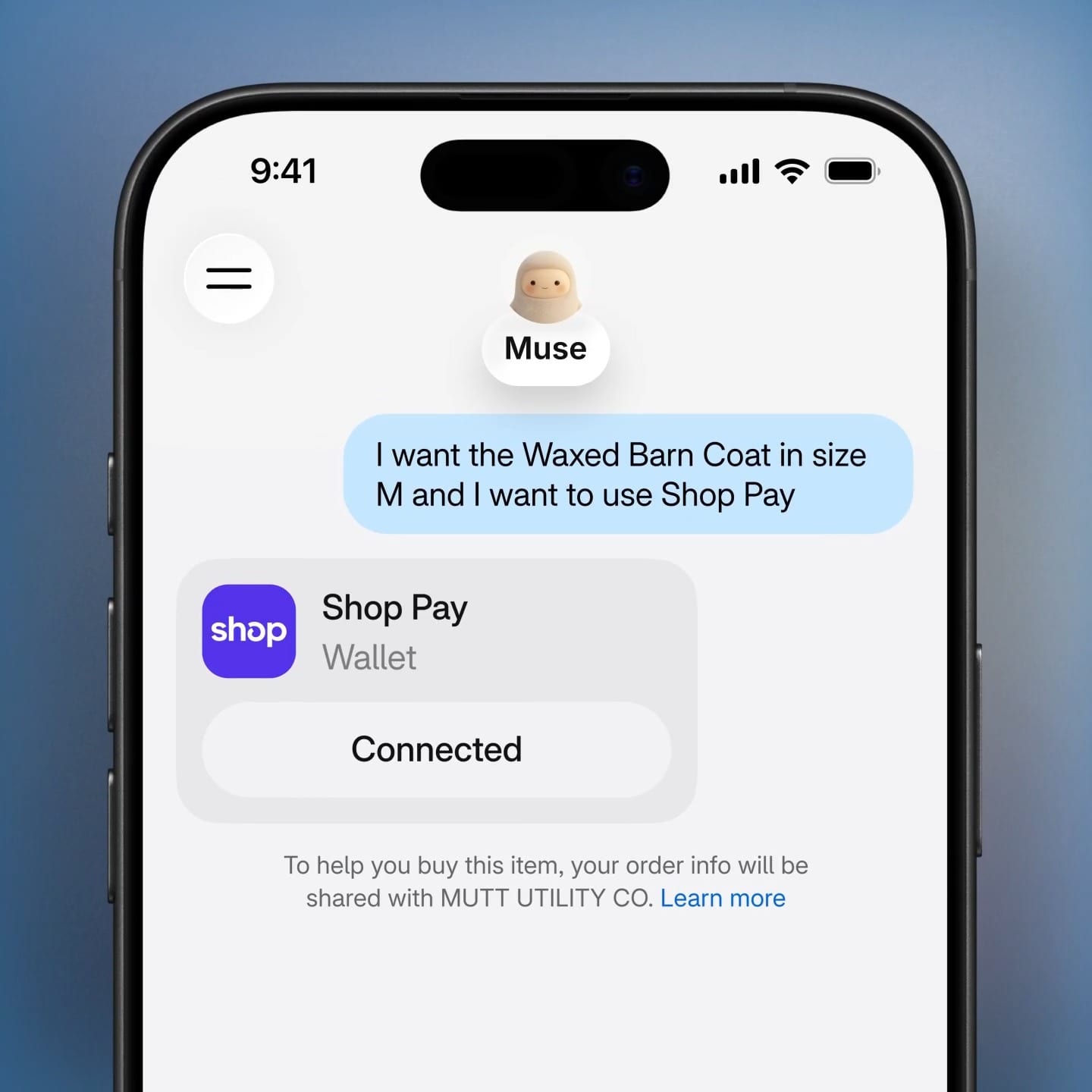
Agentforce Help Agent bills $2 per autonomous resolution, charged only when no human escalation is needed 6. Agentforce's annual recurring revenue has passed $1.5 billion, growing more than 240%, inside Q2 revenue of $11.35 billion, up 10.8%, with $33.5 billion of current remaining performance obligations and a fiscal 2027 guide of $46.1 billion to $46.4 billion 2. The stock near 14 times forward earnings, half ServiceNow's−0.59% — ServiceNow, down 0.59 percent today 28, prices the doubt 2.
The Bank of America−0.48% — Bank of America, down 0.48 percent today upgrade to Buy at $285 argues agents entrench the platform holding the data; Wells Fargo's−0.73% — Wells Fargo, down 0.73 percent today cut of Adobe−2.90% — Adobe, down 2.90 percent today to Underweight argues agents take the budget 2. The difference is exactly whether the vendor can bill per outcome. Buying Braze for $5.66 billion, as we reported on October 20, extends the logic: Braze+0.20% — Braze, up 0.20 percent today charges by message and event, a revenue line agents threaten less than seats 3.
Tonight's test is SAP's
SAP reports tonight at 22:05 CEST, with consensus near EUR 10.11 billion of revenue, EUR 6.58 billion of it cloud, and EUR 2.94 billion of adjusted operating profit 4. Watch the same thing in its cloud backlog: does AI add revenue or cannibalise seats 4? Salesforce reports in early December. The seat was never the product; the resolved customer was. Whoever prices the resolution wins the budget.
Get Applications by email, free
How AI is changing the software people and companies use. In our daily email, every weekday.