Token deflation eats the labour line, so India's outsourcers are selling the meter
Coforge says every client it knows burned a year of token budget in months; Hexaware's chief executive calls token cost the deflation that comes straight off the labour line, and both firms now write the meter into client contracts. The meter got cheaper to run the same week: OpenAI halved API prices.
 Vincent Jiangthree-minute read
A year of tokens, burned in months
At a 17 September session with analysts, Coforge's+2.24% — Coforge, up 2.24 percent today management said "every client that we know has burned their annual budget of tokens in months, if not days," and that every client now wants "some kind of ceiling" on AI spending, Mint reported 1. Tokens are the unit AI vendors bill on, and Fortune 1000 buyers are meeting that meter the hard way.
A $300 billion industry reprices itself
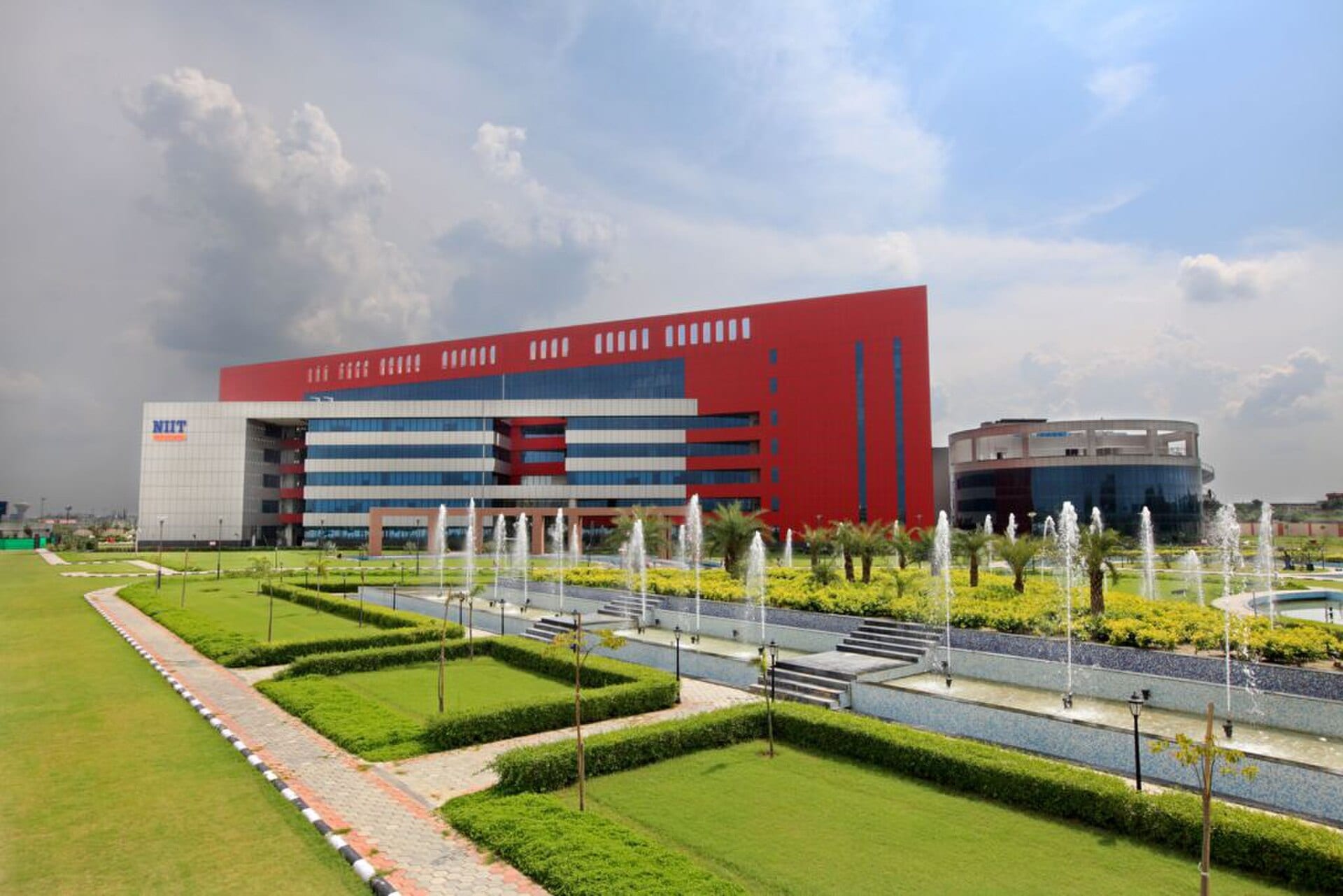
Token spend now sits beside labour, software licences, cloud and hardware on the client budget 1. Coforge, India's seventh-largest IT firm, posted $1.87 billion of revenue last fiscal year, up 29.2%; tenth-ranked Hexaware posted $1.54 billion, up 7.6% 1. Coforge expects to pass $5 billion well before FY30, in an industry its chief executive sizes at $300 billion 2.
The deflation eats their own revenue line
"Deflation for our industry equals to token cost," R. Srikrishna, Hexaware's chief executive, told its 21 August investor day 1. "That's the money that goes to token is going to come off labour spend." Labour spend is the outsourcers' revenue base, and the metered commodity keeps cheapening: on 22 September, OpenAI$1.18T — OpenAI, private, latest valuation $1.18T halved API prices, putting GPT-6 Sol at $2 per million input tokens the same day Anthropic$350B — Anthropic, private, latest valuation $350B priced Opus 5.5 at $4 3.
Stated plainly: the outsourcers that own the meter keep the margin, and the billed-headcount line and the vendors' open-ended consumption pricing give it up.
Everyone is building the same meter
Hexaware now attaches a token-priced option to every proposal, fixing the cost where clients cannot estimate their own burn 1. Coforge prices "cost per unit of work," leaning on open-weight models that PL Capital says already account for around 35% of clients' token consumption 1 4. Epam writes tokens into deal structures, Cognizant keeps dedicated AI rate cards, and LTIMindtree sells quota-based AI units 1.
Guided growth for India's IT majors runs from 7% to a 5% decline
- Revenue growth, % yoy
- Estimate
Data
| Revenue growth, % yoy | |
|---|---|
| Hexaware (estimate) | 6.5% (6–7%) |
| Big-six forecast (estimate) | 2.8% |
| HCLTech (estimate) | -4% (-5–-3%) |
The spread explains the rush. Coforge grew June-quarter revenue 33% in dollars 6, against a 2.8% constant-currency forecast for India's six biggest IT firms this financial year 6. HCLTech's chief executive has warned that revenue will fall 3 to 5% in the coming year 6.
Meters are not money yet
Motilal Oswal calls the pricing framework early, needing two to three quarters of client validation, and rates it more important than the disclosure that over half of Hexaware's active engagements are AI-infused 1 5. Jefferies rates the stock Underperform 5. Hexaware cut calendar-2026 guidance to 6 to 7% in constant currency, from at least 7.6%, and Kotak flags the chief executive change as an execution risk 7. At Coforge, only about 5% of clients can orchestrate autonomy, management said 4.
The tell is whether token-priced deals convert
Vivek Jetley takes charge at Hexaware on 28 October 8. The tell is bookings: whether token-priced proposals convert, or merely get attached. The ceiling clients demanded has become the product the outsourcers sell.
Get Applications by email, free
How AI is changing the software people and companies use. In our daily email, every weekday.




Reader comments
0 comments