Tuttle and Defiance file the first ETFs to bet against AI company debt
If approved, the funds turn credit default swaps, until now a dealer-bank instrument, into a ticker anyone can buy, and the CoreWeave credit they target already trades past the market's distress line. For anyone holding CRWV, that is a new daily price on the debt behind the shares.
 Richard Tangthree-minute read
Tuttle Capital Management and Defiance ETFs have filed with the Securities and Exchange Commission for funds that buy credit default swaps on AI-linked borrowers, including single-name funds on CoreWeave−6.66% — CoreWeave, down 6.66 percent today, Oracle−3.16% — Oracle, down 3.16 percent today and Meta−4.17% — Meta, down 4.17 percent today 1. Bloomberg Intelligence analyst Eric Balchunas flagged the first five Tuttle filings on November 3, and if the SEC approves, these are the first ETFs of their kind 2. The borrowing that funds the AI build-out is now one approval away from a ticker, and the first name on the list already trades as distressed.
The credit is in distress, and the founders do not agree
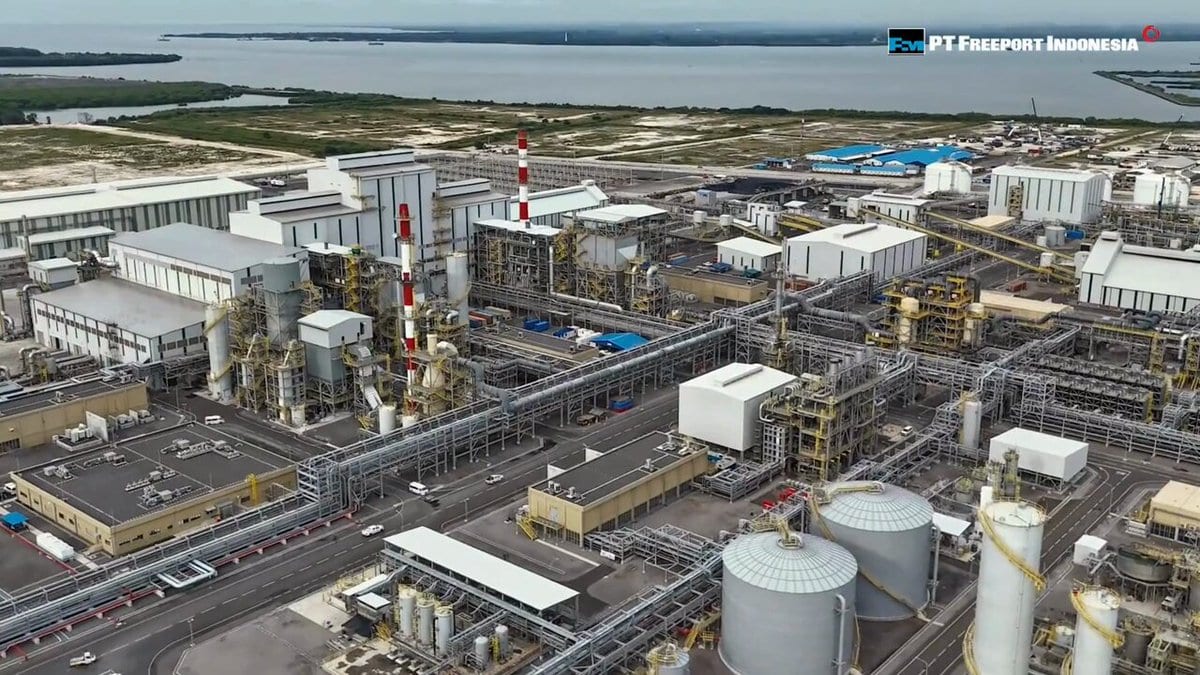
A credit default swap is insurance against a borrower failing to pay, and it gets more expensive as the borrower's credit worsens. CoreWeave, the neocloud that rents out GPU clusters to AI labs, has seen its five-year swap trade between 1,100 and 1,200 1. Anything above 1,000 is the market's conventional line for distress 1.
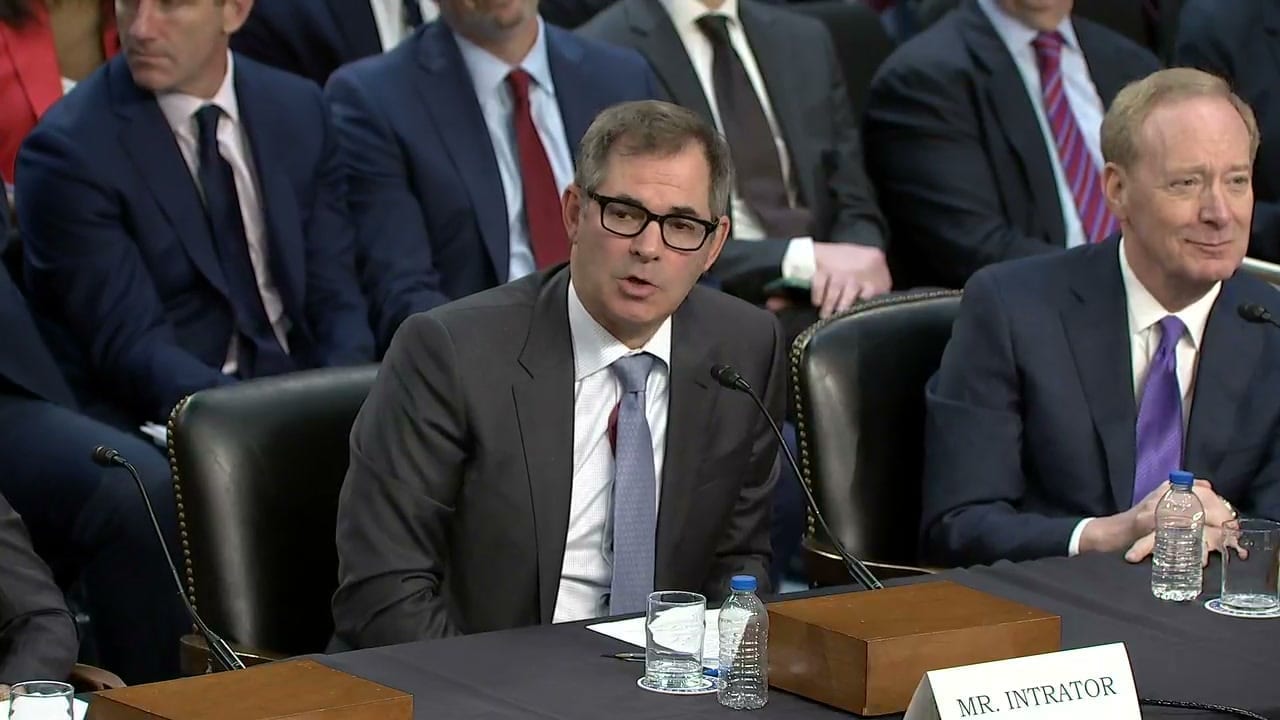
In Austin on Wednesday, co-founder Brannin McBee was asked whether CoreWeave would buy back its unsecured notes at about 79 cents on the dollar 3. He said no: cash earns more in new compute, and the 130,000 GPUs coming off contract next year can be re-let at higher rates, "the antithesis of what the market expects" 3.
Then the split. Co-founder and chief strategy officer Brian Venturo disclosed late on Wednesday that he had bought $30 million face value of the same unsecured bonds and will hold them to maturity 4. The company will not defend the paper; one of its founders is.
CoreWeave's debt has risen every quarter for two years
Every quarter of AI growth has been bought with more borrowing
Data
| Total debt | |
|---|---|
| Q4 '24 | $10.62B |
| Q1 '25 | $11.9B |
| Q2 '25 | $14.56B |
| Q3 '25 | $18.81B |
| Q4 '25 | $29.82B |
| Q1 '26 | $35.15B |
| Q2 '26 | $51.61B |
| Q3 '26 | $66.22B |
It prints a price, but it cannot move one
The funds pay premiums whether or not credit worsens, run leverage, and can lose money even while the reference stock falls 1. Matthew Tuttle, the filer, says retail is "a stretch"; he expects family offices too small to trade with the Goldmans, and calls a runway to $20 million in assets his breakeven 1. At that size an approved fund will not move CoreWeave's spreads. What it adds is a public price.
Holders of CRWV equity have had to infer the debt market's verdict from terminals; a fund prints it daily. That verdict already runs the company: third-quarter interest expense ran to roughly four times operating income 5, and chief executive Michael Intrator says CoreWeave "will not use the unsecured debt market to fund our business at current yields" 6. The borrowing itself is last week's story, the Meta-secured loan we covered on November 16 among it 56. The ticker on top of it is what is new.
The bottleneck has moved from chips to credit
Compute is bought with borrowed money, and the price of that money now decides what gets built. Nvidia's July filing showed $36 billion of off-balance-sheet backstops for neoclouds 7, and after Jensen Huang resigned as chief executive, interim chief Colette Kress said financing partners will be assessed more selectively, with their financial strength examined 8. Apollo's Marc Rowan put the consequence plainly: take away that guarantor function, and "access to capital for a large number of neoclouds is going to disappear" 1.
Capex has outrun operating cash flow in every quarter since 2024
- Capital spending
- Operating cash flow
Data
| Capital spending | Operating cash flow | |
|---|---|---|
| Q4 '24 | $3.5B | $0.19B |
| Q1 '25 | $1.41B | $0.06B |
| Q2 '25 | $2.45B | -$0.25B |
| Q3 '25 | $2.39B | $1.69B |
| Q4 '25 | $4.06B | $1.56B |
| Q1 '26 | $7.7B | $2.98B |
| Q2 '26 | $6.42B | $0.68B |
| Q3 '26 | $9.44B | $1.98B |
Demand is not the constraint. The price of debt is. The funds are small; the number they will track is not.
Watch CoreWeave's credit default swap ahead of its share price. It is the cheapest real-time gauge of whether the AI build-out can keep funding itself, and once the SEC rules, anyone can buy it.
Get Economy by email, free
How AI moves rates, banks, payments and the wider economy. In our daily email, every weekday.
Reader comments
0 comments