Veeva moves AI to flat fees, with Vault AI at 10% of the Vault subscription, and no AI dollar yet
The invoice no longer rises with agent work: Vault AI is 10 percent of the Vault subscription with unlimited use, and the compute cost lands on Veeva. Wells Fargo raised its target to $400 on AI growth today anyway, and December 3 results are the first place an AI dollar could appear.
 Richard Tangthree-minute read
A flat fee takes the meter off the agents
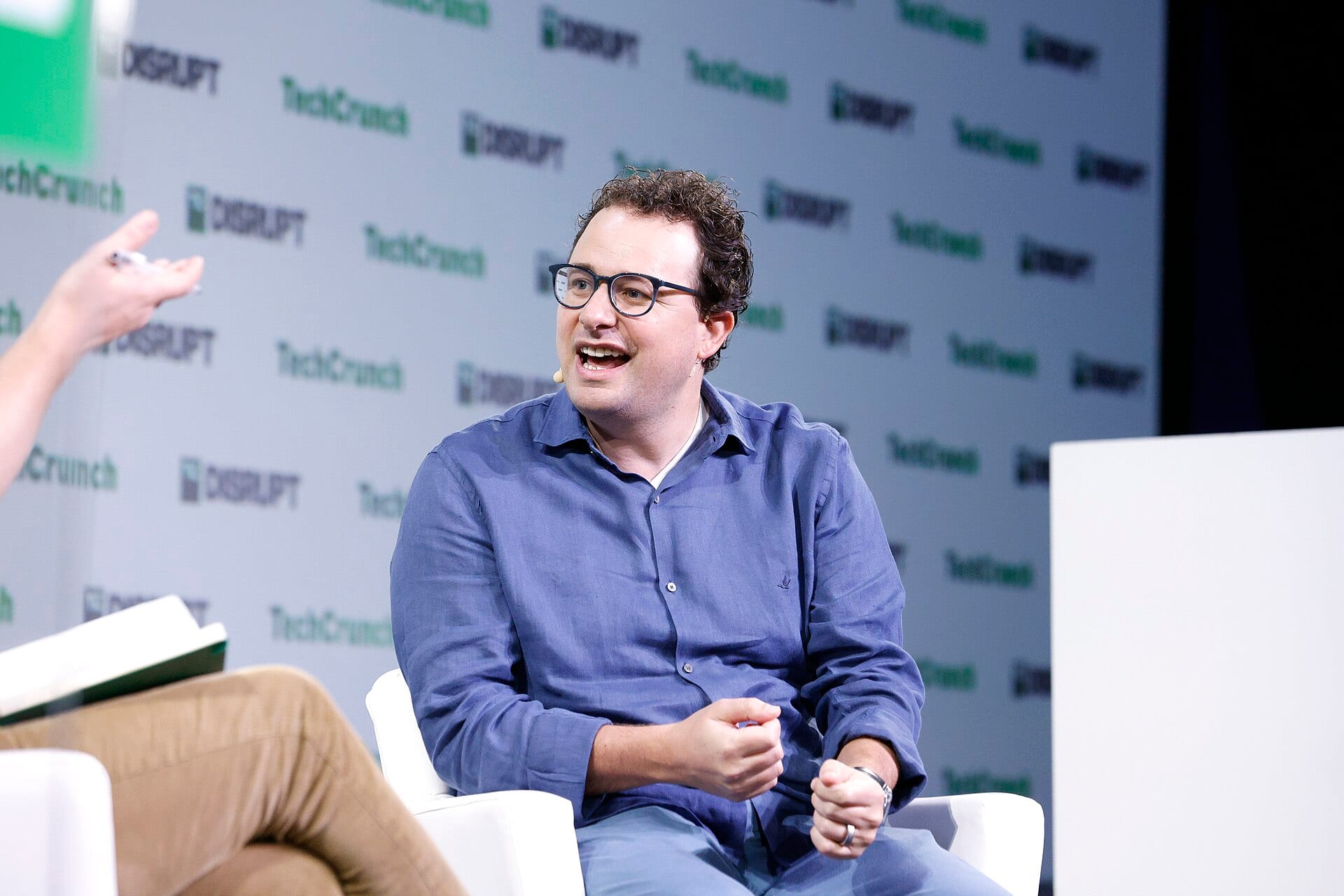
Veeva−0.24% — Veeva, down 0.24 percent today, which sells cloud software to the drug industry, has settled how it charges for AI, and the settlement caps what AI can add to revenue. At its European MedTech Summit, before 75 medtech companies, Veeva MedTech president Seth Goldenberg said Veeva is "moving away from a token model to a fixed fee model that's based on a user's Vault subscription," calling per-token billing "not sustainable for the world" 1.
The structure was already on record from the November 5 investor day 32. Vault AI, the assistant inside the Vault applications where drugmakers run clinical, regulatory and quality work 3, is an optional 10 percent of the applicable Vault subscription, with unlimited use, and Falcon, the agents that run clinical, regulatory and safety workflows end to end, sells as an annual license priced by capability and customer size 2. Nothing in it rises with usage; the only thing that scales with agent work is Veeva's compute bill.
The $6 billion plan already leaves the AI out
The 2030 target Veeva reaffirmed that day, a $6 billion annual revenue run rate against roughly $3.7 billion in the July quarter, counts only products it already sells; Falcon, Vault AI and Aspen, its customer-relationship-management push outside drugs, are excluded, and none carries a financial target 4. Falcon went into early adoption this month 1 with a few customers live; chief executive Peter Gassner expects revenue only next year and declined to size it: "We have to make these things work first" 2. No filing has shown a dollar of AI revenue 4.
Wells Fargo's $400 prices an AI line the flat fee caps
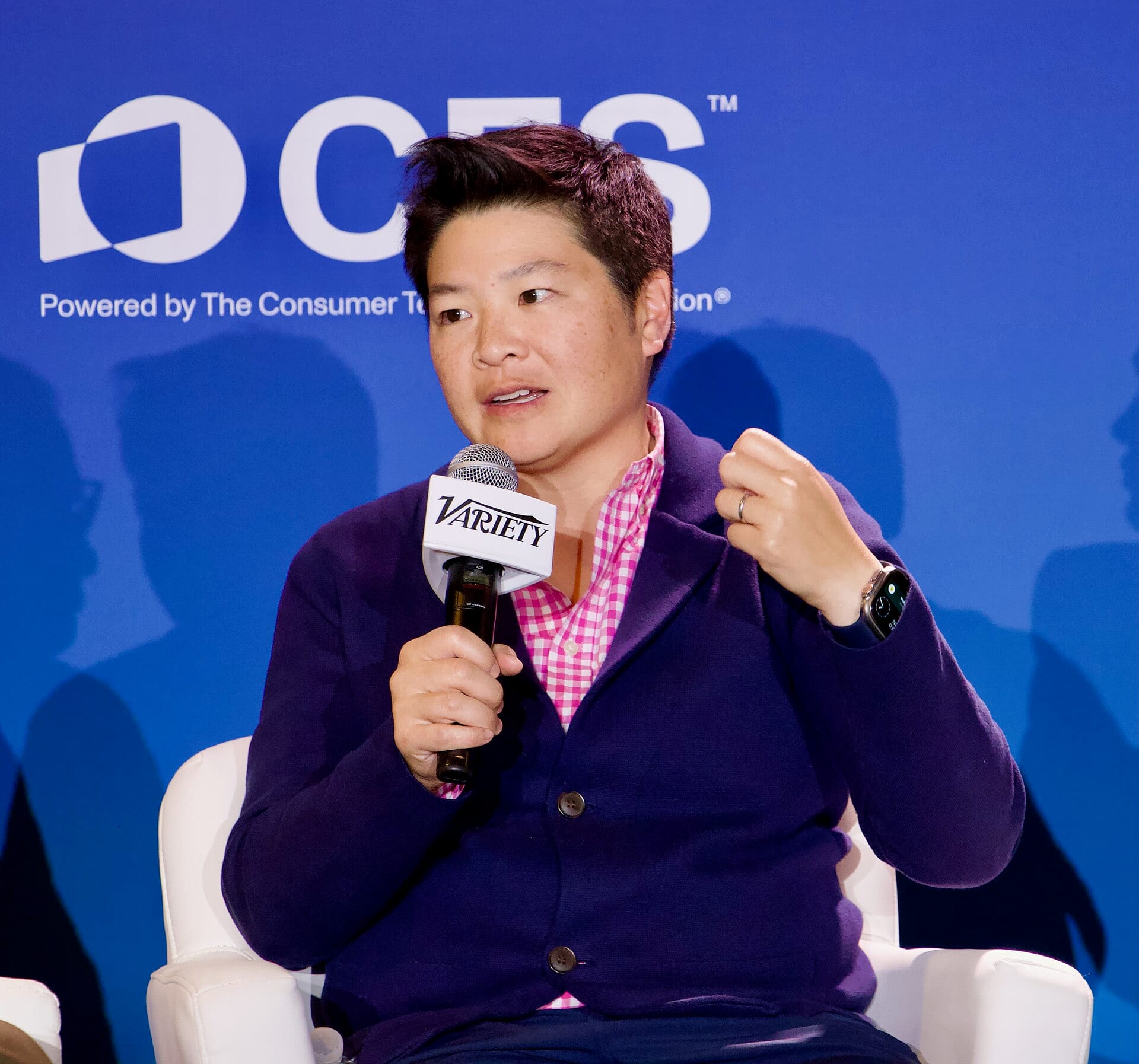
Wells Fargo+0.49% — Wells Fargo, up 0.49 percent today analyst Stan Berenshteyn lifted his target to $400 from $330 today, on AI growth 56. That tops the eight banks that raised after the investor day, on a stock already up 37 percent this year 4.
Wells Fargo's $400 sits above every post-investor-day target
The new top target clears all eight raises that followed the investor day
Data
| Value | |
|---|---|
| Wells Fargo, Nov 11 | $400 |
| Jefferies | $375 |
| RBC | $365 |
| BTIG | $360 |
| Needham | $360 |
| Truist | $360 |
| Stifel | $340 |
| UBS | $325 |
| Evercore ISI | $325 |
December 3 is the first place an AI dollar can show
The customer story is real and slower than the repricing. Roche, the world's fifth-largest drugmaker and an early Falcon adopter, counts three quarters of its staff as active AI users, yet its regulatory operations lead, Joanne Byrne, insists basics come first: cleaner data, fewer clicks, then agentic AI 7. Goldenberg's own pace marker is humbler: twenty years into cloud, over half of all software still runs on premises 1.
The flat fee is still the right design. Predictable cost is what lets a regulated industry turn agents loose without watching a meter, and Veeva is doing the work of wiring agents into daily workflow, which deserves to be paid in revenue. When Veeva reports the October quarter on December 3, a quarter it has affirmed will meet or exceed guidance 4, the number to ask for is what the flat fee earns per customer. Until that number exists, the $400 rests on a usage curve the invoice refuses to draw 4.
Get Applications by email, free
How AI is changing the software people and companies use. In our daily email, every weekday.