Wise, MyBundle and Motorola all began selling phone service on one supplier, Gigs, in three weeks
In three weeks, Wise, MyBundle and Motorola all started selling phone service on the same supplier: Gigs. Connectivity is becoming something any app can embed, the way payments did, and the carriers are wholesaling the brands that undercut them.
 Richard Tang · 3 min read
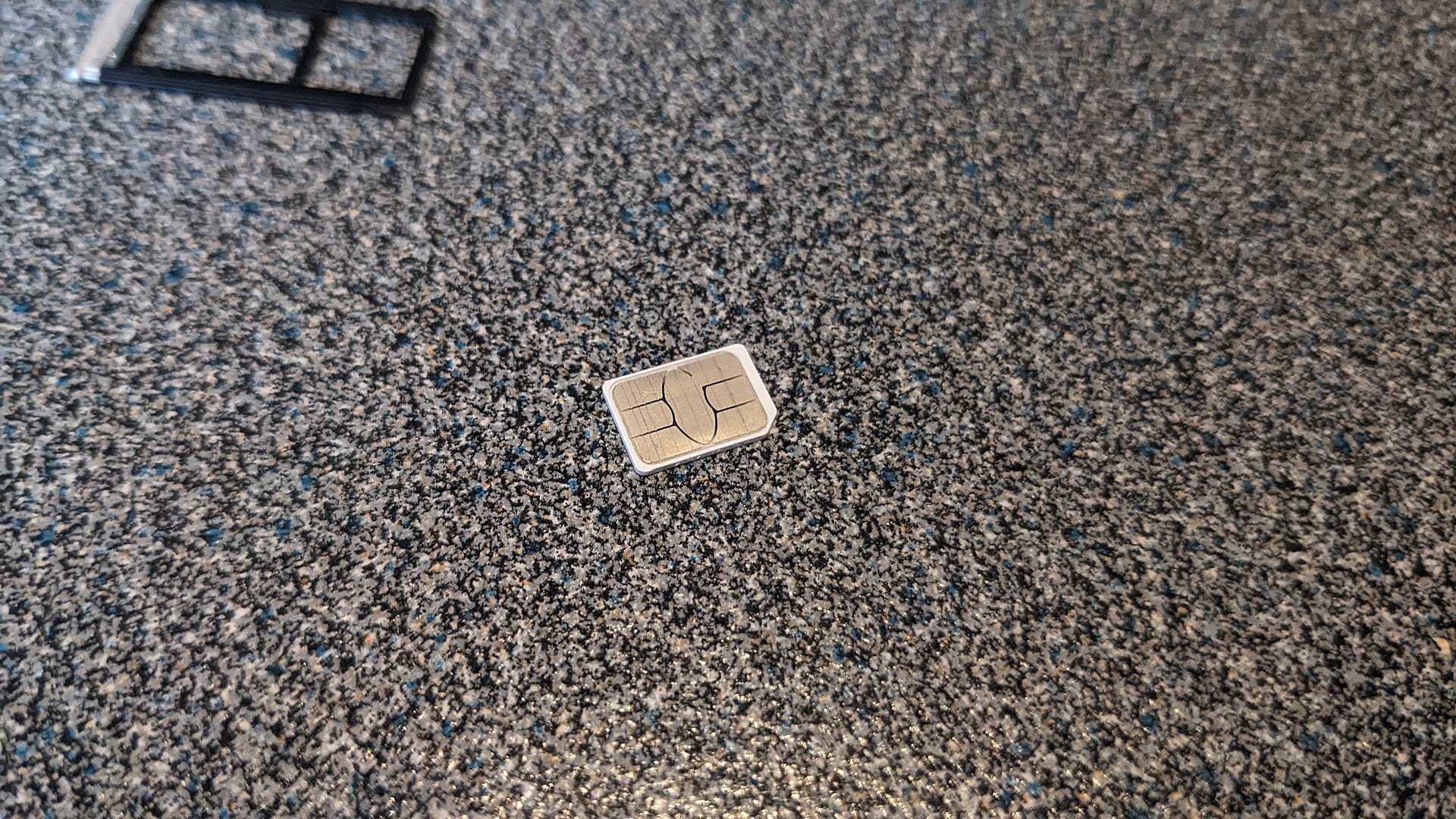
Three consumer brands began selling phone service inside three weeks, and none of them built a network. Payments company Wise added travel eSIMs on October 6 1. Streaming bundler MyBundle launched no-contract 5G lines from $20 2. Handset maker Motorola took its Global Connect eSIM app into 14 European countries on October 19 3. All three run on the same supplier, San Francisco's Gigs, and that is the real story: the money is moving to the layer that lets any app sell connectivity.
One integration turned a network into a feature
Gigs, founded in 2020 5, is what the industry calls a mobile virtual network enabler: it sells telecom as plumbing. One integration covers provisioning of eSIMs, the digital SIMs that install inside an app, plus checkout, billing, telecom taxes and agentic-AI customer support, with Gigs acting as carrier of record, the licensed operator that carries the regulatory responsibility 45. The brand keeps the customer, Gigs runs the machinery, and networks including AT&T+1.78% — AT&T, up 1.78 percent today, T-Mobile and Vodafone sell the capacity 25. WIRED describes the job as helping companies sell mobile data plans without the telecom negotiations and contracts 6. A launch that once took a bespoke wholesale deal now ships behind an API.
Wise needs the phone connected before the app can matter
For Wise, which trades in London as WISE 7, connectivity clears its own bottleneck first. A company spokesperson put it plainly: "Your phone has no signal, you can't look up directions, and you realize the local taxi or coffee shop doesn't accept your card" 8. Data makes the payments app usable in the first hour abroad, and the accompanying access to local QR schemes such as Brazil's Pix deepens the account from there 18.
MyBundle wants 350 ISPs selling its phone plans
MyBundle is after distribution. Its roughly 350 broadband-operator partners can co-brand mobile plans at no upfront cost, an "easy button" in the words of Lou Borrelli, who leads the NCTC buying group of US broadband providers 2. Klarna+0.55% — Klarna, up 0.55 percent today, Cash App and Revolut took the same route earlier 26.
Carriers are wholesaling their own competition
The squeeze on retail mobile operators is arithmetic: wholesale capacity returns to market under friendlier brands at lower prices. MyBundle's published tiers sit at the cheap end of that flow 2.
MyBundle's no-contract 5G tiers run $20 to $50 a month by data allowance
Data
| Value | |
|---|---|
| 2GB | $20/mo |
| 5GB | $30/mo |
| 10GB | $50/mo |
Counterpoint Research analyst Siddhant Cally notes that legacy operators offered roaming with half the data at double the price of travel eSIMs 6. US carriers have answered with their own travel eSIMs, which concedes the point 6. AT&T formalised the trade in September 2025, partnering with Gigs to let tech brands embed its network 5.
What is not yet known
Two things are not yet known. No MyBundle ISP partner has publicly committed to promote the plans 2, and Wise has not published data showing that travelers who take an eSIM transact more 8. If the pattern holds, retail operators' pricing power is what erodes.
Gigs did the unglamorous work that made connectivity sellable
Gigs itself is private; its last disclosed funding was a $73 million Series B led by Ribbit Capital, a venture-capital firm 5. The gap between networks existing and anyone being able to sell connectivity was unglamorous work: provisioning, compliance, taxes, support 45. Gigs closed it, and the reward is settling there. The network is still paid for the gigabytes it carries; the brand keeps the customer, and anything else it can sell them.
The daily newsletter