Xcel filed a Texas tariff to lock data centers into 15-year contracts with exit fees
A tariff filed with Texas regulators on September 28 would make data centers fund their own transmission and generation, with 15-year commitments and exit fees. The same week, Colorado bills rose $5.16 a month and Xcel agreed to exit Michigan: one utility moving its capital from legacy territory to contracted AI load.
 Vincent Jiang · 3 min read
The tariff that names who pays
On September 28, Xcel Energy asked the Public Utility Commission of Texas to approve a large-load tariff making data centers and other huge users pay for the transmission, substations, interconnection upgrades and new generation their projects require 12. The terms read like a lender's covenant: commitments typically of 15 years or more, financial security if a project is delayed or scaled back, minimum monthly payments while usage ramps up, and exit charges to recover project-specific infrastructure if a customer walks early 2. Xcel says it has already advanced large-load tariffs in other states and expects to file next in New Mexico 1. "These projects can drive economic opportunity in the communities we serve, but it's critical that growth is handled the right way," said Brad Baldridge, interim president of Xcel Energy Texas and New Mexico 1.
The fight that produced it
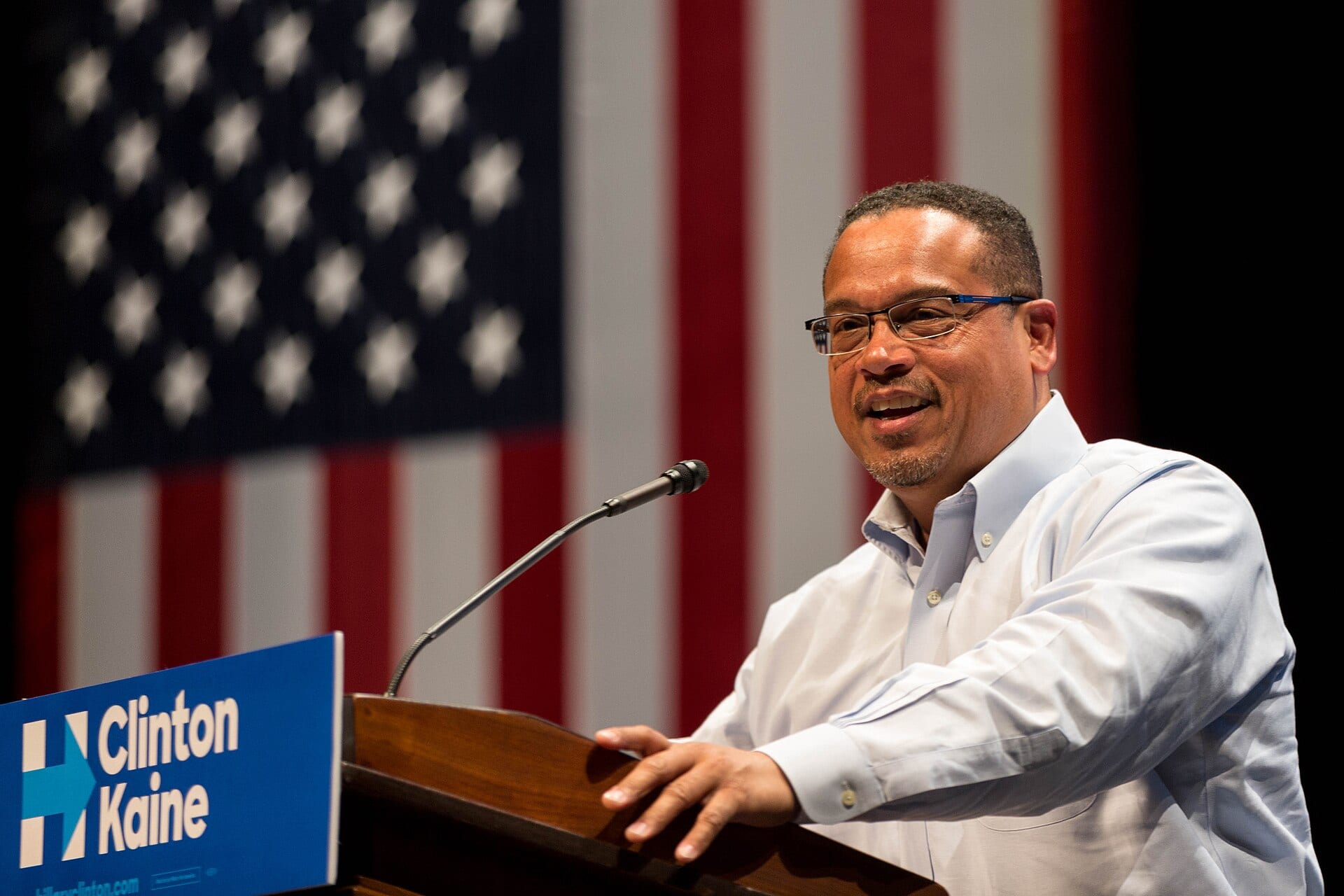
The filing answers a live political fight over who pays for AI power. In Minnesota, Attorney General Keith Ellison's office argues Google's Pine Island agreement could leave Xcel's other customers with roughly $1 billion in net costs, against Xcel's projection of more than $1.1 billion in net benefits; the project sits on hold pending an environmental review 34. In Colorado, Xcel's own April tariff plan for loads above 50 MW covers an estimated 2 GW of new data-center demand by 2031, with poles and wires alone possibly costing more than $1 billion, company estimates show 5. And from October 6, Colorado households pay $5.16 more a month for gas under a $123 million settlement regulators cut from a $190 million ask 6.
Ohio already ran this experiment
The template exists. In 2025, Ohio approved AEP's data-center tariff: qualifying facilities pay for at least 85% of contracted capacity for up to 12 years, with collateral and exit charges 7. AEP Ohio said in February it holds 17,861 MW of data-center contracts through 2035, about 70% above its historic peak demand 7. Per the Ohio Consumers' Counsel, Amazon, Google, Microsoft and Meta fought that binding tariff and backed a softer alternative; on September 30 they signed a voluntary pledge to cover their full energy costs 84. The pledge is voluntary. The tariff is not.
The capital is already committed
Xcel's capex has outrun its operating cash in 11 of the last 12 quarters
- Capital spending
- Operating cash flow
Data
| Capital spending | Operating cash flow | |
|---|---|---|
| Q3 '23 | $1.64B | $1.9B |
| Q4 '23 | $1.61B | $0.97B |
| Q1 '24 | $1.54B | $1.05B |
| Q2 '24 | $1.83B | $1.19B |
| Q3 '24 | $1.78B | $1.74B |
| Q4 '24 | $2.22B | $0.66B |
| Q1 '25 | $1.99B | $1.03B |
| Q2 '25 | $2.43B | $1.08B |
| Q3 '25 | $3.06B | $1.77B |
| Q4 '25 | $3.44B | $0.21B |
| Q1 '26 | $3.02B | $1.7B |
| Q2 '26 | $2.95B | $1.1B |
Xcel is spending like a company that expects the fight to break its way: quarterly capital spending has roughly doubled since 2023 while operating cash flow has gone sideways, leaving the buildout funded increasingly by debt and equity rather than the meter 9.
The quiet third leg
On October 6, Xcel also agreed to exit Michigan: 6,000 gas customers to SEMCO, 9,000 electric customers to Upper Peninsula Power, 15,000 customers across two counties in all, closing in 2027 with financial terms undisclosed 1011. Small legacy territory out, contracted AI load in: read together, the week is one capital reallocation.
Three regulators, three verdicts
Three regulators now hold the thesis: the PUCT on the Texas tariff, the Colorado PUC on the April plan by year-end, and the Minnesota PUC on the Google agreement 153. Approval hands Xcel a data-center pipeline that arrives contracted rather than contested; nothing in the record yet says CenterPoint or DTE follow the same path. Every utility with a data-center queue faces the same fork: contract the load, or litigate the bill.
| Proceeding | Regulator | What it decides | Status |
|---|---|---|---|
| Large-load tariff for data centers | Public Utility Commission of Texas | Commitments typically of 15 years or more, minimum monthly payments and exit charges for huge new loads | Filed September 28 |
| Large-load tariff plan | Colorado PUC | Terms for loads above 50 MW, covering an estimated 2 GW of new data-center demand by 2031 | Decision expected by year-end |
| Google Pine Island agreement | Minnesota PUC | Roughly $1 billion in claimed net customer costs against more than $1.1 billion in projected net benefits | On hold pending environmental review |
Deepdive
AI-generated from this story and its cited sources. Not investment advice.