222's App Store says 'this is not a dating app.' Its storefront sells blind dates on a $22 subscription
Blind dates and dinners for existing friend groups, now live on 222's storefront, aim to stretch a $22-a-month subscription past the one-off curation fee the app launched on. The move puts 222's post-event data loop up against Match Group's Tinder and a newly private Bumble.
 Richard Tang · 4 min read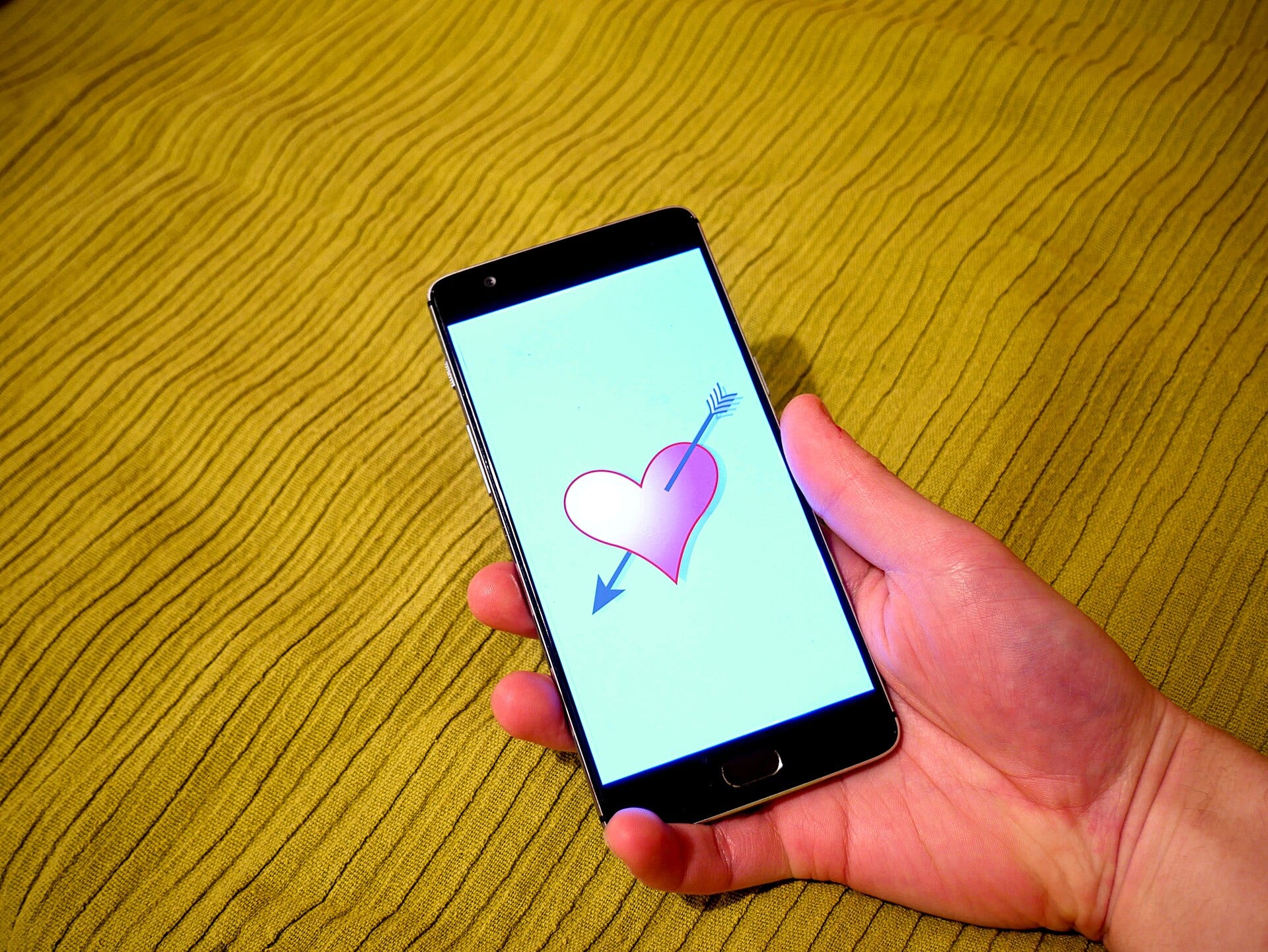
222 shipped version 222.6.13 of its app on October 15 1, and the release leaves the startup's founding contradiction standing in public view. Apple's listing, published by TwoTwoTwo Inc., the New York company behind 222, still insists "this is not a dating app... no profiles, no DMs, no scrolling, no swiping." 1 That copy has carried the brand since the app first shipped in February 2024. 1
The company's own storefront now sells a "blind date" with "5 close matches," next to a "dinner & wine bar" for "your 4 friends," a planning service for groups that already know each other. 2 222 raised $10.1 million from venture investors in 2025. 3 That took total funding to $13.7 million, all raised on what cofounder Danial Hashemi calls engineering chance. 3 5 It is now selling chance of the romantic kind, pulled by a data loop its founders argue no swipe-based rival has. 3
The training signal is a dinner, not a swipe
Members start with a questionnaire of nearly 100 prompts, from taste to opinions on abortion, and the model places them into small-group dinners and bar nights with people it predicts they will like. 4 Chief executive Keyan Kazemian, chief operating officer Hashemi and chief technology officer Arman Roshannai have run the pipeline since 222 began as a Los Angeles dinner series in 2021. 4
The training signal arrives afterward. The platform asks who you would see again, and when two people both say yes, "we fully set up the next date for them," reservation and all, as Hashemi puts it. 3 Roshannai frames what the model learns: after two people spend an evening together, were they actually a good match? 3 A swipe records a first impression, that answer records whether the pairing worked, and Kazemian calls the resulting labeled data a "technical moat." 3
Blind dates turn one-off fees into a subscription that survives the match
At the app's 2024 launch, a member paid a one-time curation fee of about $17 per experience. 4 A $22 monthly subscription bought repeat bookings. 3 4 The new storefront lines change what the subscription buys: maintenance of the relationships 222 itself creates, for existing friends as much as for new matches. 2 Kazemian's stated aim is to own the member's "next offline moment," the follow-up hang or second date. 3
Every booked moment returns more feedback, tightening the loop. 3 A swipe app risks losing a subscriber when the match works; a service that keeps booking the couple's dinners keeps the revenue.
The format now runs into Match Group, not around it
Match Group's+4.01% — Match Group, up 4.01 percent today Tinder shipped free Group Hangouts on September 30, letting friend groups match other friend groups for a night out, the same ground the four-friend dinner covers. 6 Bumble−0.66% — Bumble, down 0.66 percent today, until this week the other listed dating stock, agreed on October 13 to a $1.3 billion take-private by Ithaca Holdings. 7 Its paying base and revenue had been contracting for nearly two years. 7
The deal leaves Match Group, owner of Tinder and Hinge, the public name still trading on this demand, pushing AI matchmaking into Europe while Tinder's paying base remains its open question. 7 8 The private race is as direct: AI matchmaking startup Ditto raised $9.2 million, Hinge's founder left Match Group to build an AI dating alternative, and Partiful, the party-invite app, is edging into dating. 3
The demand underneath is real: in a 2025 survey by the health company Hims, 77 percent of Gen Z respondents said they met their partner in person. 3 On store scale, though, the curated-IRL field is still small next to even a mid-tier swipe app: 222's 7,094 US App Store ratings put it alongside Timeleft, ahead of sonder, and well behind Luxy, a swipe app on Apple's−0.59% — Apple, down 0.59 percent today store since 2014. 1
The curated-IRL apps are still ratings-small next to an older swipe app
Data
| Value | |
|---|---|
| Luxy (2014 swipe app) | 105,145 |
| Timeleft | 8,699 |
| 222 | 7,094 |
| sonder | 41 |
The loop is the asset, and the conversion is the test
The App Store denial may be the funnel that brings swipe-fatigued members in the door; if so, the blind date is what can keep them paying after. 1 If the date line converts, 222 owns a subscription that persists through relationships instead of ending at them. The revenue from a match flows to whoever books the next table: Tinder's Group Hangouts leaves the plan to a shared group chat 6, and 222 sets the reservation itself. 3
Nothing public yet says whether it converts. The tests are concrete: whether the "not a dating app" line survives in the App Store copy now that the storefront sells blind dates, and what the next funding round reveals about whether subscribers stay once a match works. Everything about the format race says the incumbents believe it will.
Deepdive
AI-generated from this story and its cited sources. Not investment advice.