AI's power bill lands on the cheapest chips in your car
Mature-node foundries are pushing a new round of price increases into 2027 because every AI server needs armies of cheap power-management, control and sensor chips. Automakers, industrials and consumer-electronics buyers eat the bill, and mainland China is adding 77% of the new 12-inch capacity that could end it.
 Vincent Jiangthree-minute read
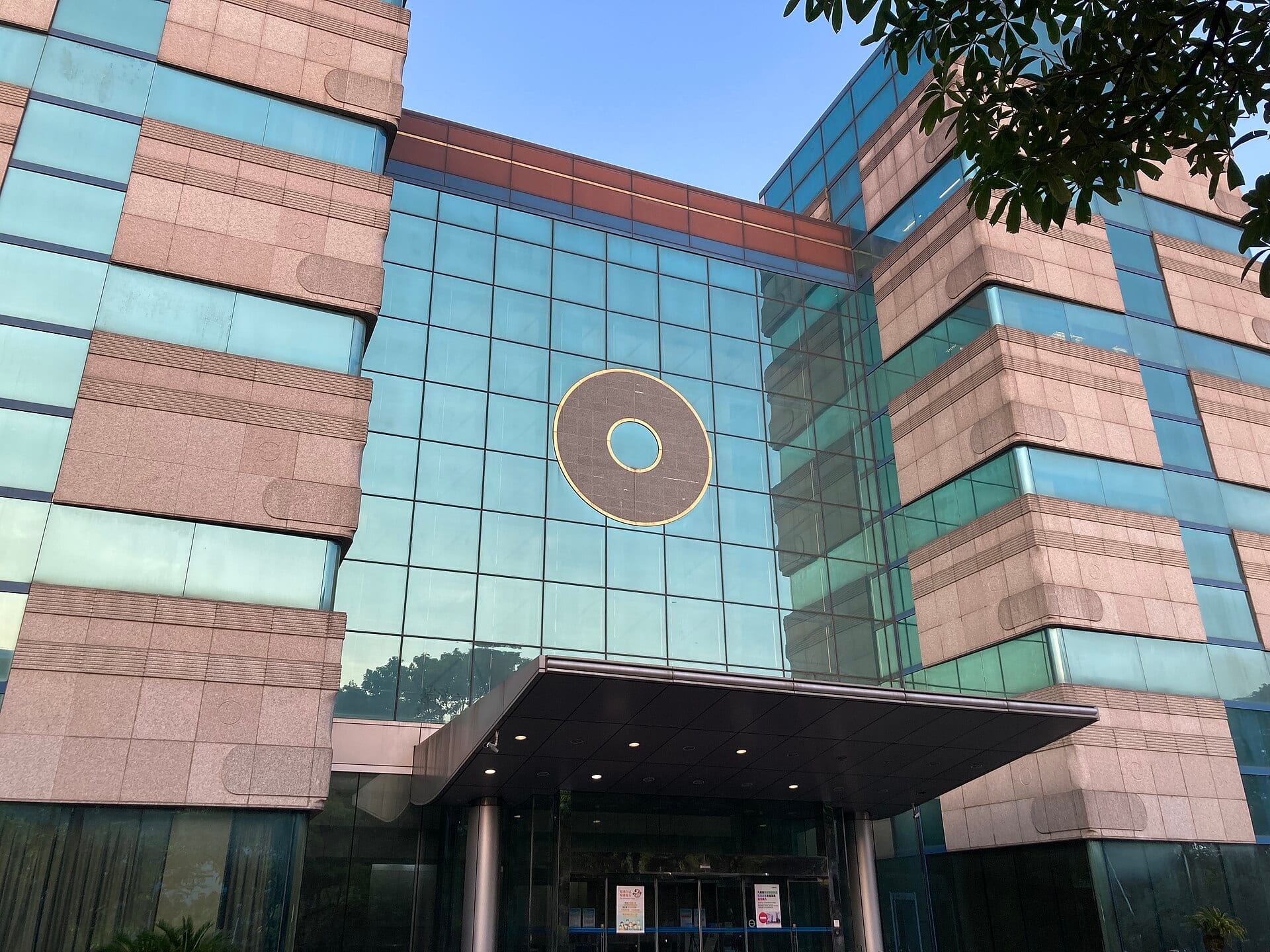

The dollar chips now carry AI's power bill
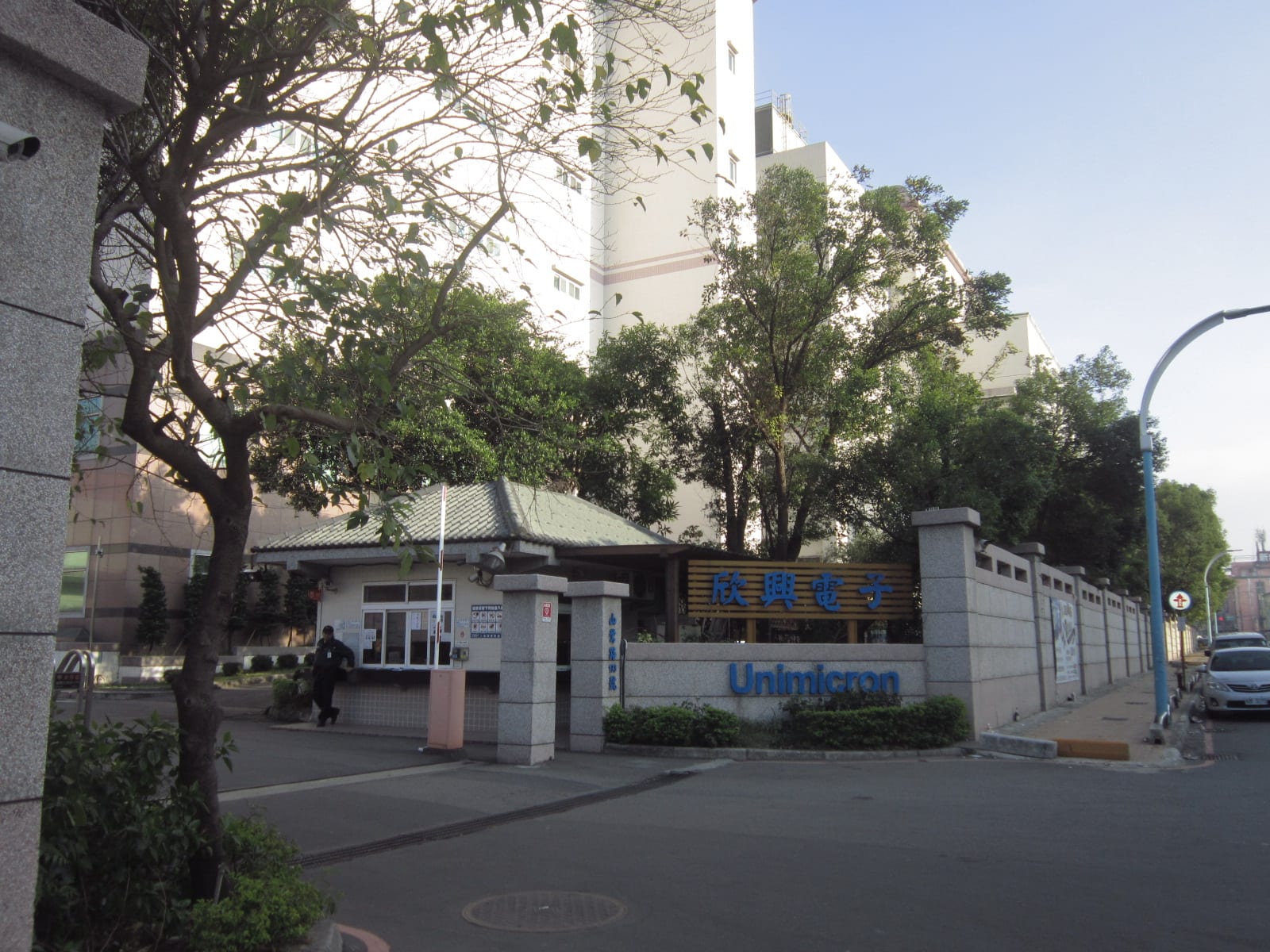
The cheapest silicon in the box is being repriced because of the most expensive. AI servers push rack power and voltage so high that each one needs more power-management ICs, microcontrollers, sensors and MOSFETs, built to tougher spec, and the foundries making them are running out of room 12. TSMC−6.54% — TSMC, down 6.54 percent today is reallocating capacity toward advanced nodes, which tightens mature supply, and the orders it sheds are stacking on UMC's−6.49% — UMC's, down 6.49 percent as of its last quote and Powerchip's lines 123.
On 21 September 2026, reports said United Microelectronics had flagged a fresh round of mature-node price increases and Powerchip was asking up to 40% on some products 12. Buyers who assumed shortage pricing died in 2022 are getting a second bill.
The hike lands on cars and gadget makers
UMC put customers on notice in April, with increases reported near 10% from July, and finance chief Chih-Tung Liu says pricing talks turn more substantial in 2027 4. The names in coverage run from Texas Instruments−3.82% — Texas Instruments, down 3.82 percent today and MediaTek to Qualcomm−3.18% — Qualcomm, down 3.18 percent today, Broadcom−4.72% — Broadcom, down 4.72 percent today and Realtek, and the cost typically passes through to the electronics maker and then the shelf price 4.
TSMC is extending its own increases to mature nodes from January 2027 3. Even the raw wafer underneath is repricing: 2027 contracts for 12-inch wafers are reported up 15 to 25 percent for epitaxial and more than 40 percent for polished, with some second-tier buyers facing more than 50 5.
The wafer under the chip is repricing: 2027 12-inch contracts are reported up 15-25% and, for some buyers, past 50%
- Estimate
Data
| Value | Range | |
|---|---|---|
| Epitaxial (estimate) | 20% | 15–25% |
| Polished (estimate) | 40% | — |
| Second-tier buyers (estimate) | 50% | — |
The tightness shows in the filings
Second-quarter revenue hit NT$68.73 billion, up 17% year on year, gross margin widened to 32.5% from 29.2%, and utilization climbed to 85% from 79% 46. August sales ran NT$25.04 billion, up 31% 6, and management guided the current quarter above 90% utilization with a mid-30s margin 146. The board lifted 2026 capital spending to $2 billion inside a $5 billion two-year plan 8, backed by up to $1.8 billion of zero-coupon convertible bonds approved on 26 August 7.
UMC's gross margin bottomed at 26.7% and is climbing back toward the mid-30s it guided
Data
| Gross margin | |
|---|---|
| Q3 '24 | 33.8% |
| Q4 '24 | 30.4% |
| Q1 '25 | 26.7% |
| Q2 '25 | 28.7% |
| Q3 '25 | 29.8% |
| Q4 '25 | 30.7% |
| Q1 '26 | 29.2% |
| Q2 '26 | 32.5% |
China is building the escape hatch
About 77% of the new 12-inch mature-node capacity arriving this year is mainland Chinese, TrendForce estimates 2. SMIC cut 28nm wafer prices by roughly 40% in early 2025, from about $2,500 to $1,500, then raised them again once its home utilization passed 95% 4. Kaiyuan Securities already sees high-voltage and image-sensor customers moving wafer starts to mainland fabs for price and stability 1.
The undercut is not here yet. The capacity is.
The stock has run past the Street
UMC closed at NT$154.00 on 24 September, up 212.69% for the year and 15% above the NT$133.89 average analyst target 10; stateside, seven analysts carry a Hold consensus with a $12.38 average target on the ADR 6. Vice President Lin Jen-Tsung sold 10,000 shares at NT$163 on 22 September with no 10b5-1 plan marked, keeping 1.17 million 11. One newswire priced that sale at $1.63 million; the filing counts New Taiwan dollars, about US$50,000 at recent rates 81011.
October and the 2027 contract season decide it
October's sales report tests the mid-30s margin guide 1. The 2027 contract season tests whether China's new fabs claw back the price-sensitive tail 2. The GPU takes the headline; the dollar chip takes the bill.
Get Chips by email, free
How AI demand is reshaping chipmakers, memory and the fabs behind them. In our daily email, every weekday.




Reader comments
0 comments