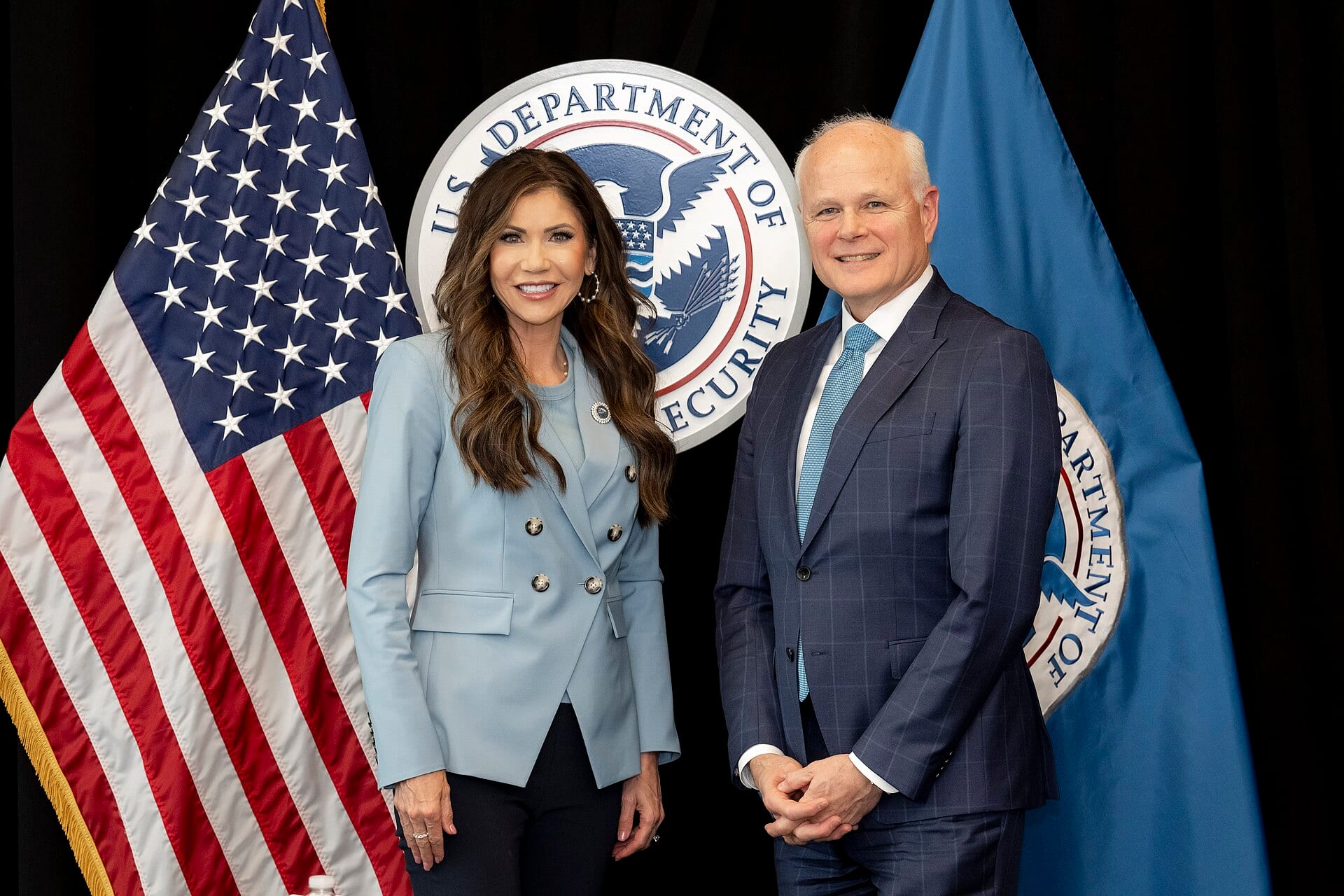
Alphabet's $74 billion SpaceX stake loses its board seat as Musk cites Alphabet conflicts
SpaceX disclosed on November 6 that Don Harrison, Google's partnerships and corporate-development chief, resigned from its board, with Musk citing Alphabet conflicts. The largest outside holder of a $1.8 trillion company, a top customer of its AI division and the parent of a direct AI rival now has no seat there, just as SpaceX weighs merging with Tesla.
 Richard Tangthree-minute read
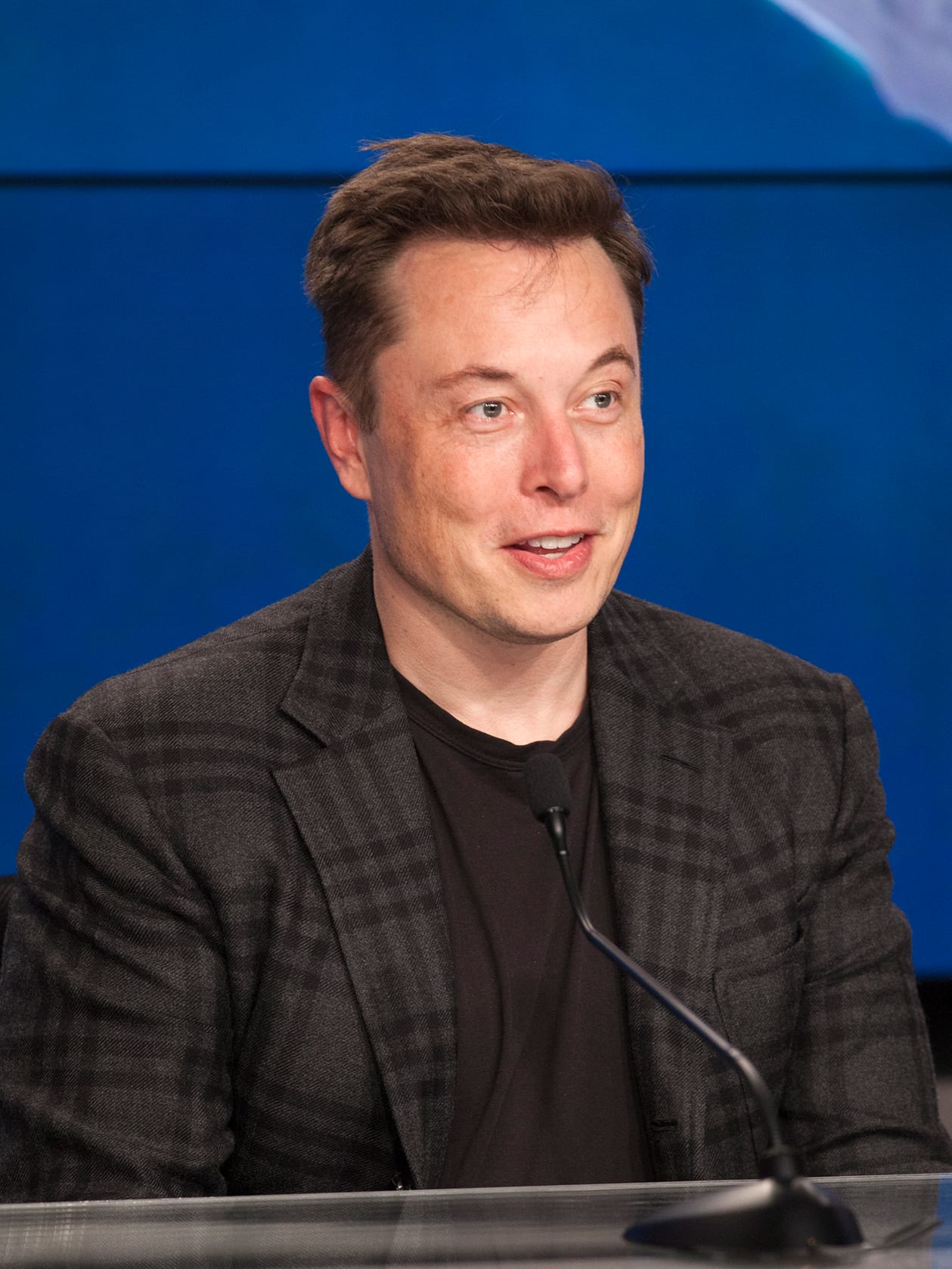
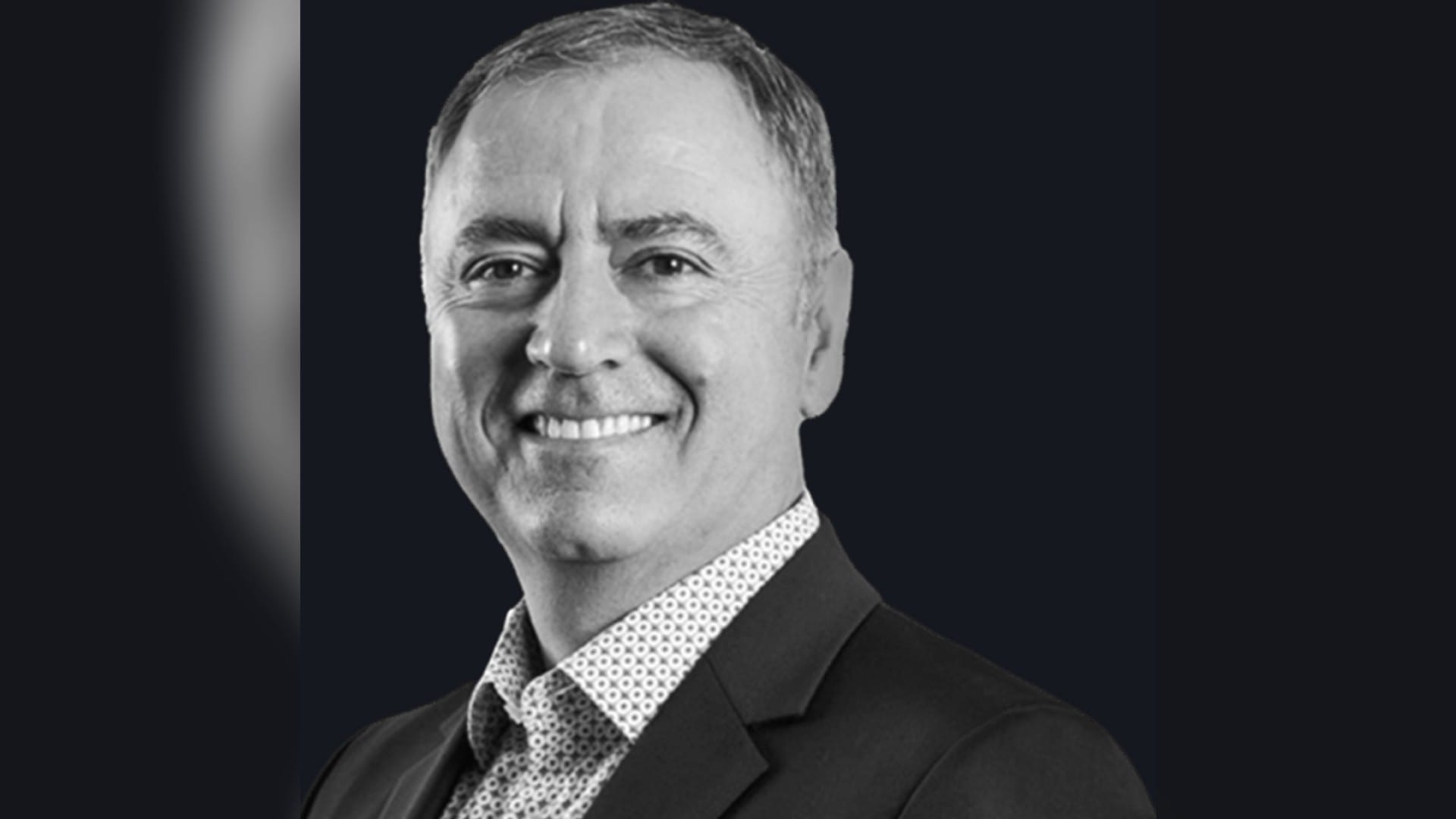
SpaceX disclosed on Friday November 6 that Don Harrison, Google's president of global partnerships and corporate development and a Google employee since 2005, had resigned from its board, with notice given on November 4 and effective immediately 12. Elon Musk, SpaceX's+9.50% — SpaceX, up 9.50 percent today chief executive and controlling shareholder, said Harrison stepped down because there were too many conflicts of interest with Alphabet+1.01% — Alphabet, up 1.01 percent today, and the filing says the decision was "not due to any disagreement" with the company 231.
Alphabet is SpaceX's largest institutional investor, holding $74 billion of a company valued near $1.8 trillion, five months after the largest IPO on record 1. As of this week, that stake has no seat where its fate is decided.
Alphabet is holder, customer and rival at once
Three exposures stack on one company. The stake began with a $900 million check in January 2015, into a rocket company then valued at about $12 billion 41. The commercial relationship is now larger: Google agreed in June to pay SpaceX up to $920 million a month for compute capacity around Memphis, Tennessee, and either side can end the deal on 90 days' notice after December 31, terms we tallied in our November 6 look at the stake 14. The two are also flying Google's AI chips to orbit under Project Suncatcher 1.
Beneath both runs the rivalry: SpaceX bought Musk's AI startup xAI$200B — xAI, private, latest valuation $200B in February, and its Grok models now compete head-on with Google's 35. A shareholder that is also a customer and a competitor is the hardest kind to keep on a board.
The $74 billion stake dwarfs the 2015 check and the annual compute bill
The stake dwarfs both the 2015 check and what Google pays each year
- Estimate
Data
| Value | |
|---|---|
| Stake value, Nov 6 close | $74B |
| Compute bill, annual rate (estimate) | $11.04B |
| 2015 investment | $0.9B |
The seat empties while a Tesla merger is on the table
Independent directors at SpaceX and Tesla+4.53% — Tesla, up 4.53 percent today are discussing a combination Musk says has "a lot of merit"; he sits on neither special committee and says shareholders would vote 3. A SpaceX filing is more specific: any deal needs approval from the special committee, the full board and Musk as controlling shareholder, who has recused himself from the talks 6. Until Friday, Alphabet had a director in the room where that gets decided. Now it reads the outcome in filings.
Texas turned blue the same week, and SpaceX shares rose anyway
Harrison gave notice the day after the midterms, in which Democrats won Texas's Senate, governor and attorney general races, both companies' home state; analysts expect slower data-center approvals and harder scrutiny of Musk's businesses 27. SpaceX shares (SPCX) still closed up 8.6 percent on the day of the disclosure 8. Whatever the exit costs Alphabet, the market did not price it as damage to SpaceX.
What protects the stake now is a contract, not a seat
The filing's "no disagreement" sentence answers one narrow question, whether Harrison quit over a fight; it says nothing about Alphabet keeping influence 12. Google says it remains "deeply supportive" and grew its holding to about 555 million shares last quarter 12.
The protection that is left runs through Memphis, not the boardroom: more than half of SpaceX's third-quarter sales came from renting out computing capacity, so Musk needs Google's monthly check nearly as much as Google needs the machines 71. A contract can be renegotiated while both sides need it; a resigned board seat does not come back.
SpaceX's revenue jumped 161 percent from a year earlier as compute sales scaled
Data
| Revenue | |
|---|---|
| Q1 '25 | $4.07B |
| Q2 '25 | $4.07B |
| Q3 '25 | $5.58B |
| Q1 '26 | $4.69B |
| Q2 '26 | $7.81B |
| Q3 '26 | $14.58B |
For GOOGL holders, $74 billion rides on goodwill and a cancellable invoice. For SPCX holders, this is how the holder-customer-rival triangle resolves: the rival leaves the room, the customer stays.
Get Robotics & Defense by email, free
Robots, self-driving vehicles, drones and AI in defense. In our daily email, every weekday.