ASML banked China's $13 billion lithography spree; Washington wants the maintenance money
A Washington study counts 343 immersion lithography machines inside Chinese fabs, bought for more than $13 billion before the controls tightened. The capex is spent and China is down to 14% of ASML's system sales; what Congress now wants to cut is the service annuity, and the stock rallied anyway.
 Vincent Jiang · 3 min read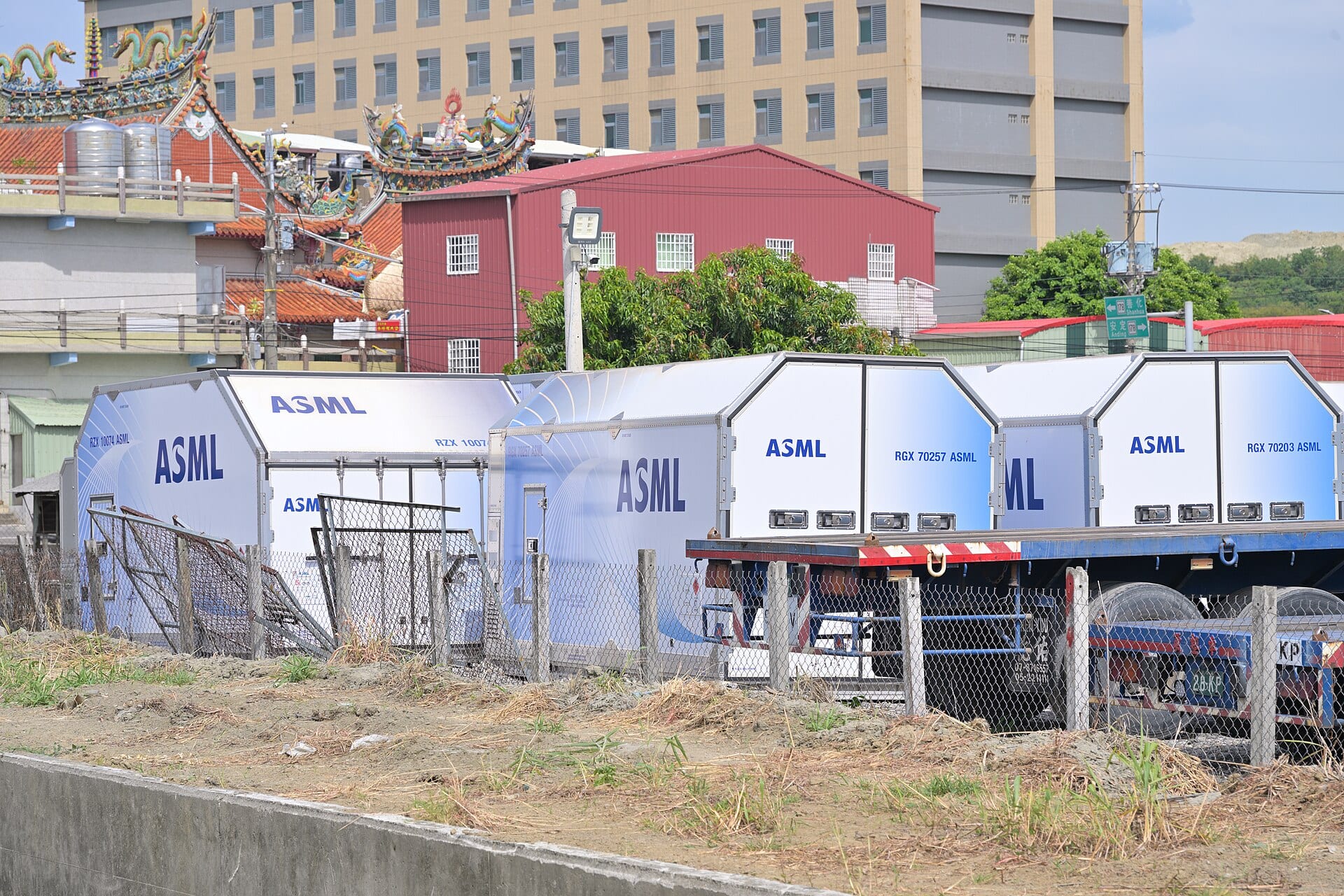
Washington finally counted China's lithography fleet
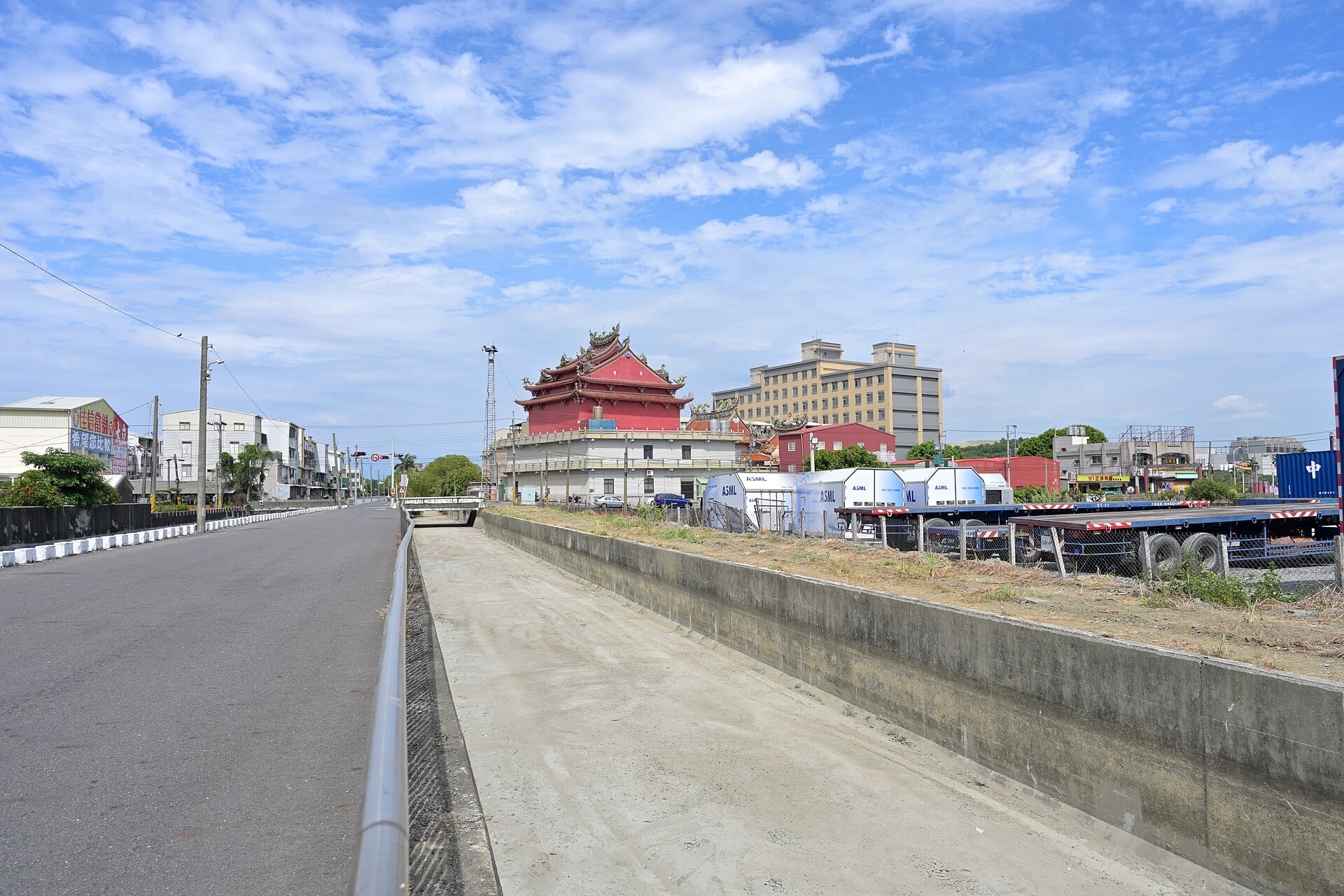
Chinese-owned fabs held an estimated 343 immersion lithography systems by early 2026, about 270 of them ASML Twinscan NXT:1980i tools, says a 26 September study from the Center for Technology & Statecraft by two former US officials, export-control veteran Nicholas Brown and onetime White House and Commerce technology adviser Saif Khan 12. Chinese fabs spent more than $13 billion on roughly 90 NXT:1980i systems in 2024 and another 89 in 2025 1. The machines can be adapted for 7-nanometre-class logic and the advanced memory behind Huawei's Ascend AI accelerators 1.
The buying ended, and ASML's numbers never blinked
China took 41% of ASML's net system sales in 2024, 33% in 2025, 19% in the first quarter of 2026 and 14% in the second 13; the final quarter of 2025 alone was 36% 4. Total sales reached €9.3 billion in the second quarter, net income €2.9 billion, and management lifted its 2026 outlook to €43–45 billion 5. The tool revenue is banked; what remains inside China is the installed base.
China's share of ASML system sales fell from 36% to 14% in two quarters
Data
| China share of net system sales | |
|---|---|
| Q4 2025 | 36% |
| Q1 2026 | 19% |
| Q2 2026 | 14% |
The top line tells the same story from the other side.
Revenue kept climbing as China's share collapsed
Data
| ASML quarterly revenue | |
|---|---|
| Q3 23 | $7.1B |
| Q4 23 | $8.04B |
| Q1 24 | $5.75B |
| Q2 24 | $6.71B |
| Q3 24 | $8.3B |
| Q4 24 | $9.65B |
| Q1 25 | $8.42B |
| Q2 25 | $8.94B |
| Q3 25 | $8.84B |
| Q4 25 | $11.43B |
| Q1 26 | $10.08B |
| Q2 26 | $10.6B |
What a ban can still reach is the maintenance
The machines are paid for; their upkeep is not. ASML's installed base management line, its service and field-option business, earned €2.76 billion in the second quarter, roughly 30% of total sales 5. ASML does not disclose the China slice; Bank of America's estimate fills the gap: a full immersion-DUV ban with servicing cut off would take 14–15% off revenue and 16–17% off operating profit 4. The MATCH Act, cleared 44–0 by the House Foreign Affairs Committee in April and naming CXMT, YMTC and SMIC as covered facilities, would force licenses to service tools already inside Chinese fabs; its Senate companion sits in the Banking Committee with no markup scheduled 4. The study concedes a cut-off changes little immediately, because the stockpile exists 1.
The 2035 ceiling is the political number
Under the study's most expansive projection, if China overcame other chipmaking bottlenecks and kept importing roughly 90 systems a year, its fleet could support up to 434 million H100-equivalent AI chips a year by 2035; halting imports in 2027 caps that ceiling at 153 million 1. CXMT and YMTC hold about three years of expansion stock 4, while domestic hopeful Yuliangsheng targets 12 machines this year against ASML's planned 130 45; UBS puts China's lithography programme at roughly ASML's 2004 stage 9.
The market priced Samsung, not the ban
Days after the count surfaced, ASML's US shares rose 3.5% to $1,870.48, and the news behind the move was three weeks old: Samsung's 8 September pledge to bring High-NA EUV into volume DRAM production by 2028 6. The agreement carries no order totals, no delivery timetable and no service-revenue forecast, and the price sits 47.7% above a $1,270 value estimate 6. ASML's finance chief says the China slide tracks Dutch licensing, not demand 4.
Two dates settle it
Third-quarter results on 14 October put fresh numbers on both the China share and the service line 7; a Senate markup, if one is scheduled, prices the ban. The machines are already in the building. The open question is who gets paid to keep them running.
Deepdive
AI-generated from this story and its cited sources. Not investment advice.