B.Riley cuts AXT price target to $43 from $56 on China permit risk
Washington's curbs on Chinese optical transceivers lifted AXT's biggest customers and pointed straight at AXT's single point of failure: all of its indium phosphide is grown in China and shipped on a Beijing permit. The stock now trades below both the $43 and $90 targets its covering analysts published this month.
 Vincent Jiangthree-minute read
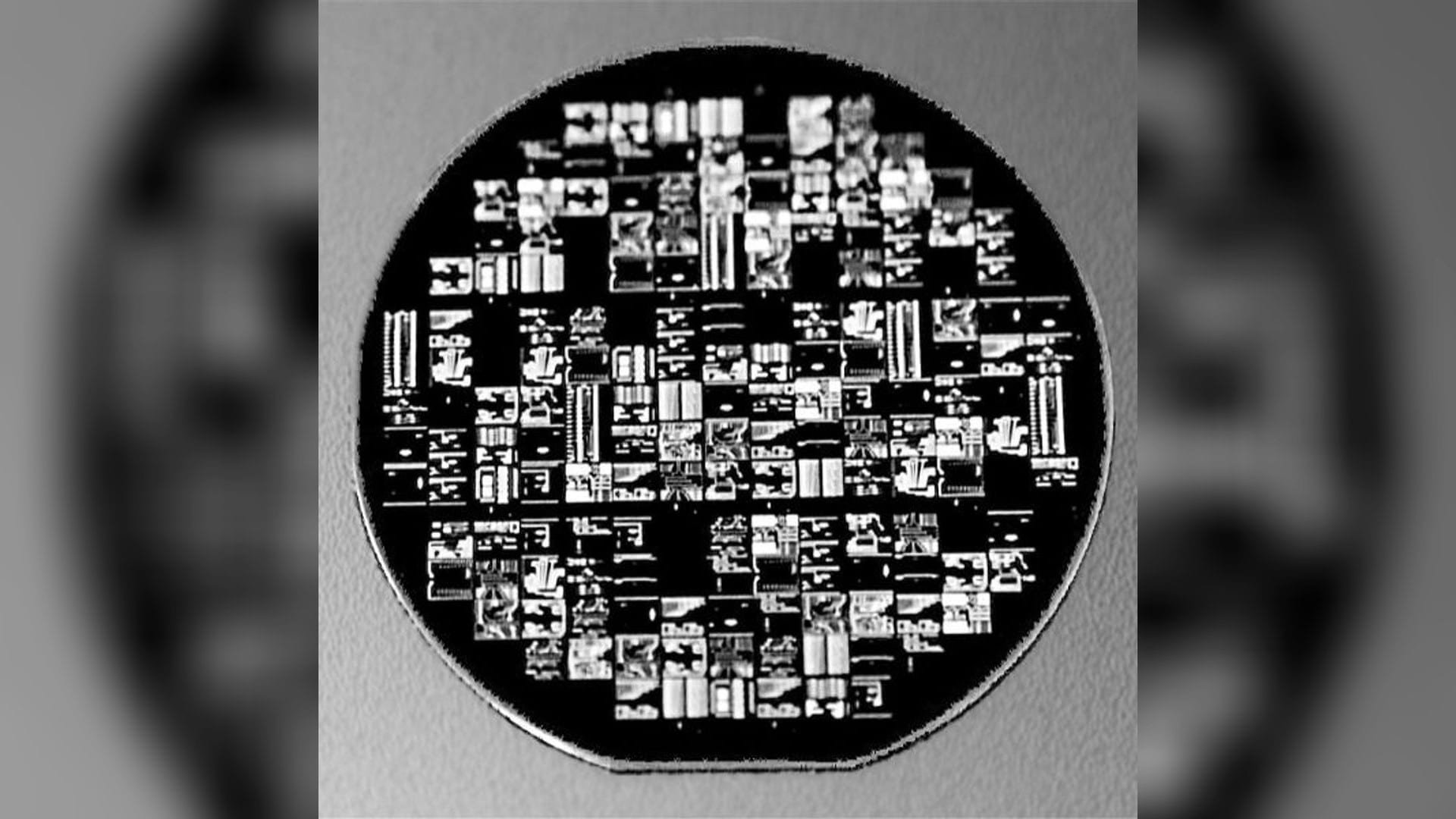
The winners of the ban buy from the supplier it endangers
Reuters reported on November 17 that the Trump administration will press ahead with restrictions on new models of Chinese optical transceivers, the parts that carry data as light inside AI data centers, despite lobbying from Amazon+3.47% — Amazon, up 3.47 percent today, Google, Meta−0.60% — Meta, down 0.60 percent today, Microsoft+0.23% — Microsoft, up 0.23 percent today, Cisco+1.71% — Cisco, up 1.71 percent today and CoreWeave−4.33% — CoreWeave, down 4.33 percent today, whose executives warned that replacing Chinese supply could take a decade 12.
Coherent+0.80% — Coherent, up 0.80 percent today, the optical components maker, rose about 10 percent on the report and Lumentum−1.41% — Lumentum, down 1.41 percent today 8 percent before both faded, and Lumentum had already agreed, on November 2, to an all-stock takeover by Marvell−2.64% — Marvell, down 2.64 percent today worth $82.1 billion as of November 15 134.
AXT went the other way. It closed November 17 at $36.42, down 5.3 percent 6, six days after a 23 percent one-day surge to $48.19 5. The same headline that lifted Coherent runs through a wafer grown outside Beijing.
One wafer, one country, one permit desk
AXT−2.47% — AXT, down 2.47 percent today grows every indium phosphide wafer it sells in China, through its subsidiary Beijing Tongmei, and since February 4, 2025, each shipment abroad has needed a case-by-case license from China's Ministry of Commerce 89.
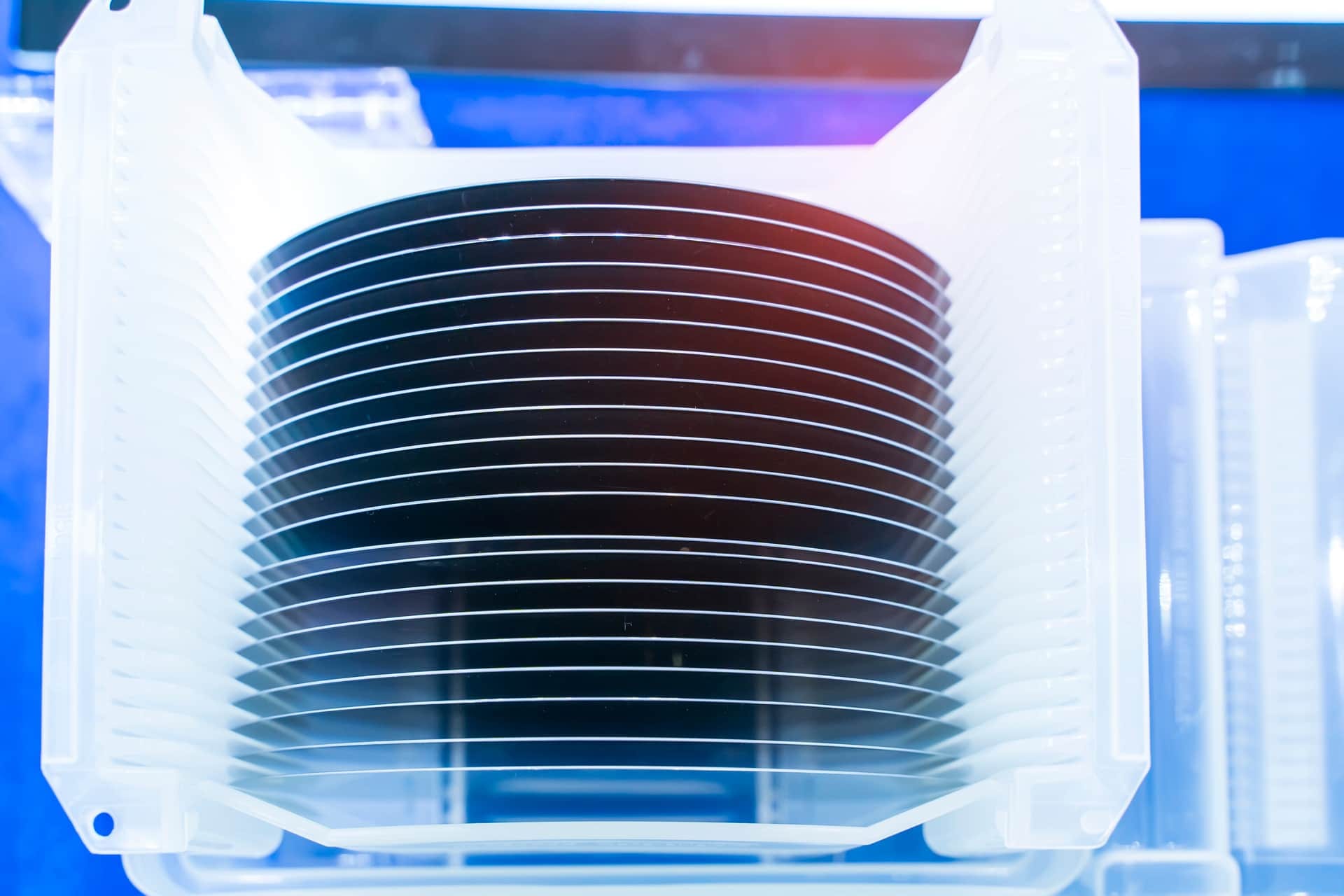
That pipeline has jammed before. AXT cut its fourth-quarter 2025 outlook on January 8, 2026, because Beijing issued fewer permits than expected, and in an August filing it called export permits its "most significant challenge", unable to say when shipments to US customers would resume 9.
Two customers have prepaid, and B.Riley says they may leave
B.Riley cut its target to $43 from $56 on November 17, kept a Neutral rating, and named the switch: a slower license pipeline would push customers such as Lumentum and Coherent to qualify non-Chinese suppliers, Germany's Freiberger among them 8. Both customers already have cash committed, with Lumentum's $43.5 million July deposit on a six-year capacity reservation, which The Inference examined on November 15, and Coherent's $22.29 million prepayment on a three-year supply agreement 9.
The backlog is real, and it sits behind the licenses
The quarter underneath the argument was a record: $73.4 million of revenue, up 162 percent year over year, a 56.0 percent gross margin, and a backlog above $500 million, five times the $100 million of April, with fourth-quarter guidance near $90 million 678.
Revenue fell 36% in the permit squeeze, then nearly tripled to $73.4 million
- Revenue
- Estimate
Data
| Revenue | |
|---|---|
| Q4 '23 | $20.43M |
| Q1 '24 | $22.69M |
| Q2 '24 | $27.92M |
| Q3 '24 | $23.65M |
| Q4 '24 | $25.11M |
| Q1 '25 | $19.36M |
| Q2 '25 | $17.97M |
| Q3 '25 | $27.96M |
| Q4 '25 | $23.04M |
| Q1 '26 | $26.92M |
| Q2 '26 | $47.59M |
| Q3 '26 | $73.41M |
| Q4 '26 guide (estimate) | $90M |
Nomura started coverage on November 3 at Buy with a $90 target, resting on a 7 percent laser-chip supply shortfall it models for 2028; the same note concedes that if China eases permits, shortage turns to oversupply 7.
GuruFocus puts the shares at 106.4 times trailing earnings against a five-year median of 18.7, with insiders selling $76.2 million of stock and buying none 5. The rivals standing outside the permit queue are Sumitomo Electric and JX Advanced Metals in Japan, and Freiberger in Germany, with JX planning to lift indium phosphide capacity seven to ten times 9.
AXT closed at $36.42, below both the $43 and $90 targets
- Estimate
Data
| Value | |
|---|---|
| Nomura target (estimate) | $90 |
| B.Riley target (estimate) | $43 |
| Close, 17 Nov 2026 | $36.42 |
| GuruFocus fair value (estimate) | $3.16 |
The license queue sets the price
Beijing has announced nothing. The retaliation leg is a warning industry gave reporters, not a policy, and the FCC's final text, whenever it lands, will set the timeline Washington controls 12. The desk that decides this stock sits in Beijing either way: the $500 million backlog converts to revenue only as fast as China signs the permits 12.
Get Chips by email, free
How AI demand is reshaping chipmakers, memory and the fabs behind them. In our daily email, every weekday.



Reader comments
0 comments