China's Q3 smartphone shipments fell 11% as Apple and Huawei raise prices and take 40% of the market
Counterpoint's Q3 table shows China shipments down 11% and share concentrating into the only two brands that can push memory costs onto buyers: Apple and Huawei. The firm expects the fall to deepen in Q4 as Double 11 discounting is capped, and the volume risk now sits with Micron, Samsung and SK hynix, whose full 2027 books depend on phones someone will still buy.
 Vincent Jiangthree-minute read
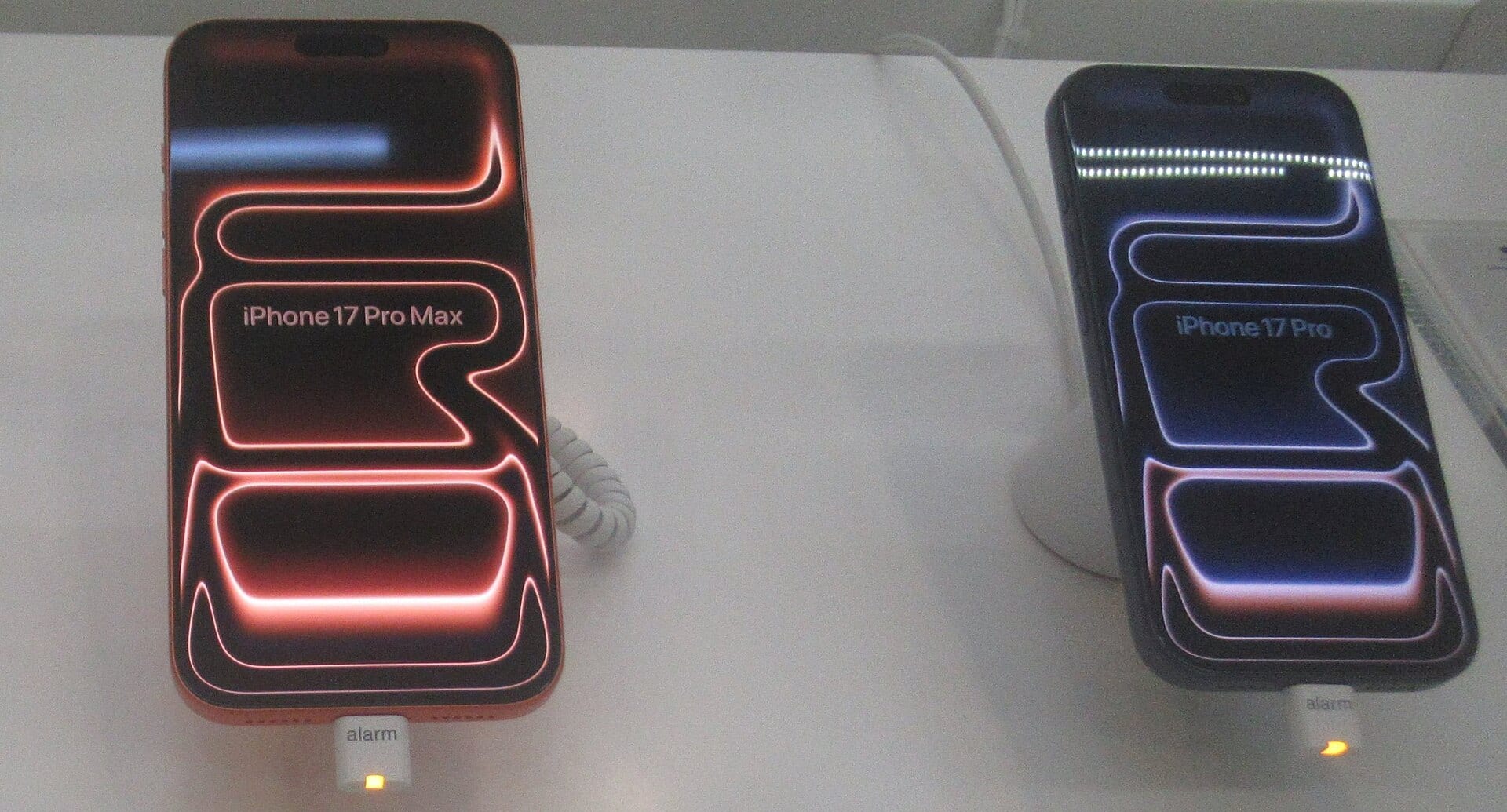
September's new flagships arrived in China priced RMB 1,000–3,500 above the phones they replaced 1. Counterpoint Research, a market-research firm, published its Q3 China table on November 20 with the result: shipments fell 11% year over year in the world's largest handset market, as makers cut their model ranges and raised prices into falling demand, and even Apple−1.21% — Apple, down 1.21 percent today and Huawei "couldn't hold out" and raised prices too 1.
Counterpoint expects the fall to deepen in Q4, because even premium phones now feel the price rises while cost pressure limits what brands can discount during Double 11, China's November shopping festival 1. Discounts are what normally move China's November phone volume, and this year they are capped by the same costs that raised the prices.
Prices went up, demand went down
The fall was not shared. Huawei climbed to 21% of shipments from 16% a year earlier on its Enjoy 90 Pro Max and Pura X View; Apple rose to 19% from 15% on the iPhone 17 series and the iPhone 18 Pro 1. They were the only major brands to grow 1.
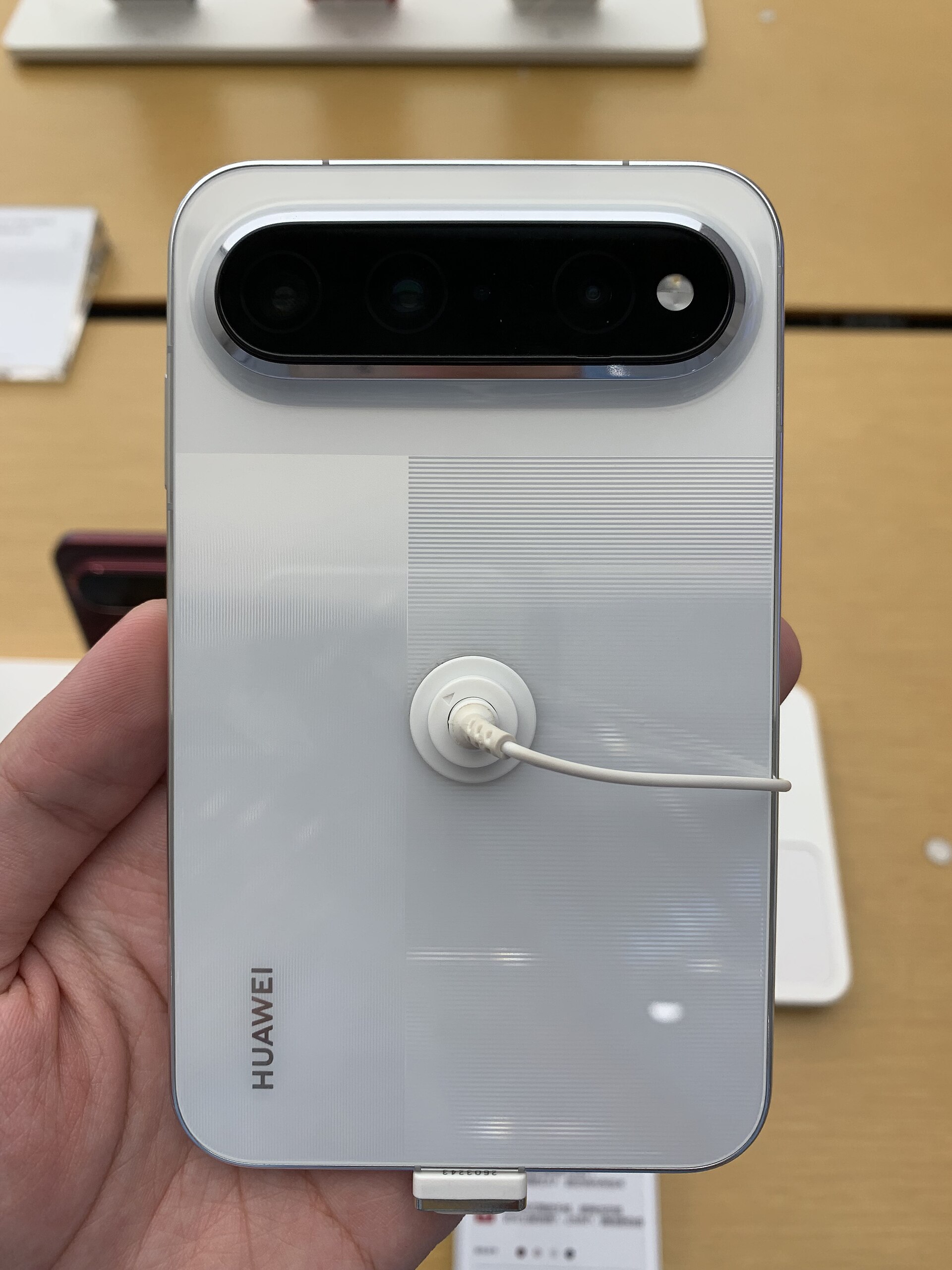
Apple enters the holiday quarter raising prices in China and gaining share at the same time. The mid-market absorbed the bill instead: vivo slid to 15% share from 18%, Xiaomi−3.09% — Xiaomi, down 3.09 percent today to 14% from 15%, HONOR to 13% from 15%, and every major brand outside the top two posted double-digit shipment declines 1. The tail beyond the top six halved, to 3% of the market 1.
Only Apple and Huawei gained share as China's market shrank
The two brands able to pass memory costs to buyers are the two that grew
- Q3 2025
- Q3 2026
Data
| Q3 2025 | Q3 2026 | Change | |
|---|---|---|---|
| Huawei | 16% | 21% | +31.3% |
| Apple | 15% | 19% | +26.7% |
| vivo | 18% | 15% | -16.7% |
| OPPO | 15% | 15% | 0.0% |
| HONOR | 15% | 13% | -13.3% |
| Xiaomi | 15% | 14% | -6.7% |
The third big market to report the same break
China is the third big market to report the same break in one quarter. European shipments fell 18% to their lowest level in more than 13 years, with Samsung and Apple lifting combined share to 66% from 57%, as The Inference reported on November 19 23.
India fell 23.3% to 36.8 million units, its weakest festive quarter in a decade 4. The average selling price hit a record $371 4. IDC, another market-research firm, counts preliminary global shipments down 22% at 255.3 million 45.
Behind the falls sits one line in the bill of materials: memory prices are up roughly 80% this year and now make up 64% of the build cost of a sub-$100 phone, against 33% a year ago, while memory has passed 40% of a flagship's build cost 52.
Q3 shipments fell double digits in every major phone market
China joins Europe and India: memory prices broke unit demand in every major market
Data
| Value | |
|---|---|
| Europe | -18% |
| India | -23.3% |
| China | -11% |
| Global | -22% |
The memory makers say their books are full
The likely reason memory left the phone market is datacenter buying: S&P Global−1.28% — S&P Global, down 1.28 percent today puts hyperscaler capital spending up 85% at $870 billion this year, and buyers at that scale can outbid handset makers for the same chips 5. The memory makers' answer is that their books are full regardless. Micron−11.70% — Micron, down 11.70 percent today says 75% of its 2027 production is already sold, Samsung's high-bandwidth memory−7.01% — Samsung's high-bandwidth memory, down 7.01 percent today, the AI-server kind, is sold out through 2027, and SK hynix's−10.85% — SK hynix, down 10.85 percent today through 2029 67.
Micron's gross margin went from negative to 86.8% as memory sold out
Data
| Gross margin | |
|---|---|
| Q4 '23 | -0.7% |
| Q1 '24 | 18.5% |
| Q2 '24 | 26.9% |
| Q3 '24 | 35.3% |
| Q4 '24 | 38.4% |
| Q1 '25 | 36.8% |
| Q2 '25 | 37.7% |
| Q3 '25 | 44.7% |
| Q4 '25 | 56% |
| Q1 '26 | 74.4% |
| Q2 '26 | 84.6% |
| Q3 '26 | 86.8% |
The squeeze can also break from the supply side. TrendForce, a market-research firm, expects NAND contract prices, for the flash storage that holds a phone's photos and files, to slip 0–5% in Q1 2027 and to fall across all NAND categories from Q2 as global supply grows 25–30% 6.
The market has started pricing the risk
Premarket on Friday, SanDisk and AMD−10.57% — AMD, down 10.57 percent today lost more than 5% while Micron, Lam Research−7.07% — Lam Research, down 7.07 percent today and Broadcom−10.04% — Broadcom, down 10.04 percent today gave up 2.5–4% 8, after the Inference's SMH semiconductor index fell 2.6% on Thursday 9. Xiaomi (1810.HK) also lost share in Europe, and its India Redmi now costs 36% more than in December 25. That leaves it short of share in both markets it leans on, with its cheapest phones hit hardest 5.
The next readings are Double 11 sell-through, phones bought by shoppers rather than shipped to stores, and Counterpoint's Q4 China table 1. Micron reports its December quarter on December 17, after closing the September quarter at an 86.8% gross margin 26.
Get Applications by email, free
How AI is changing the software people and companies use. In our daily email, every weekday.





Reader comments
0 comments