Southeast Asia phone shipments fell 36% as memory costs pushed entry models past $100
Memory costs pushed the entry-level phone past $100 and lifted the region's average selling price 53% in the steepest regional fall yet of the squeeze. The money moved to memory makers posting record quarters, and to the phone brands that can pass the cost on.
 Vincent Jiangfour-minute read
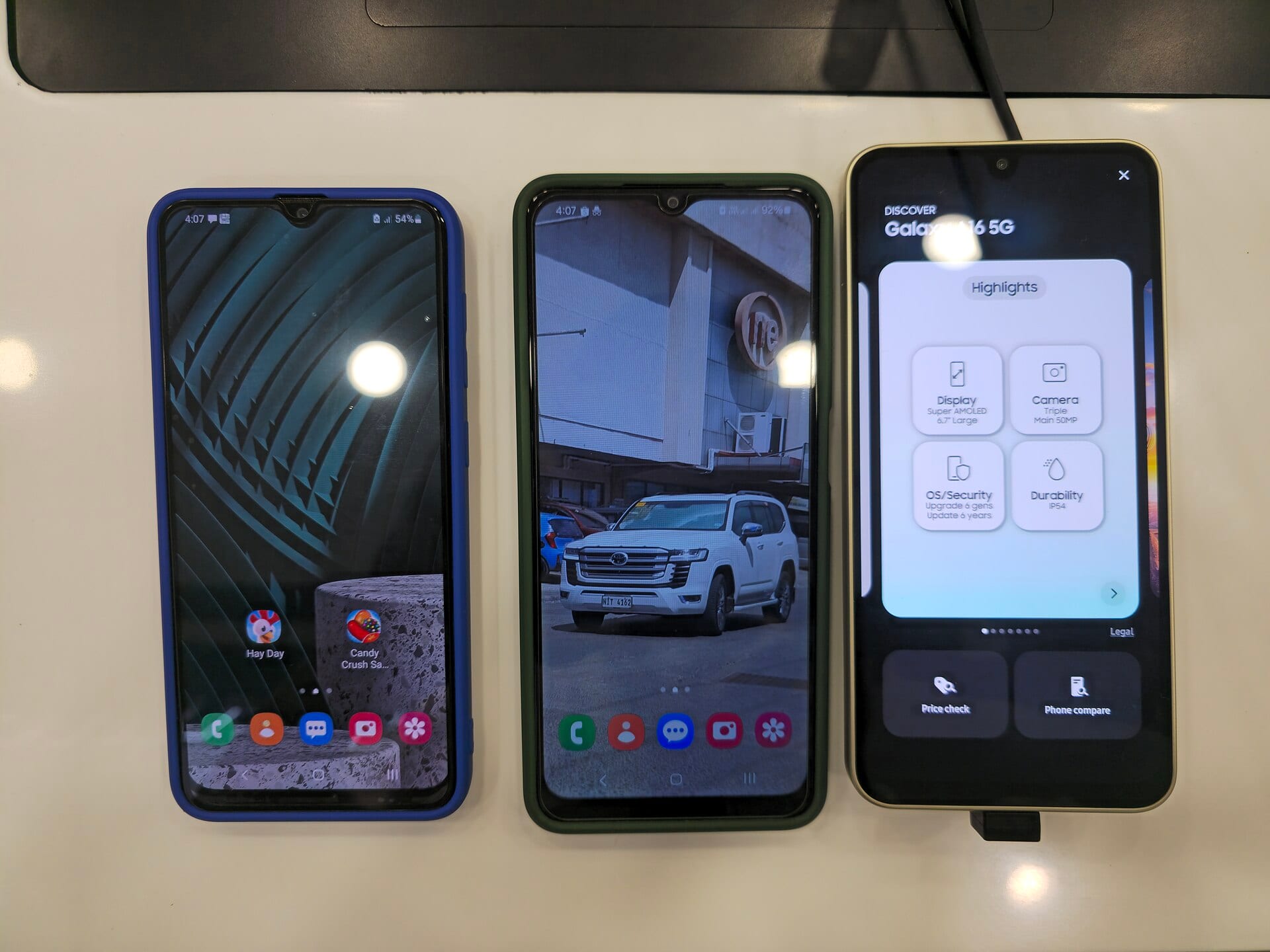
The $140 entry phone
OPPO's cheapest new phone for Southeast Asia, the A6c 4G, arrived this quarter at about $140 in most of the region's markets 1. Until this year OPPO, with its realme brand, sold phones below $100 there; that tier has been withdrawn as memory costs rose, and shipments fell 62% to 2.2 million units, according to the technology research firm Omdia 1.
A third of the phones, 1% of the value
Southeast Asia took 16.5 million smartphone shipments in the third quarter, down 36% year on year, while market value fell 1% and average selling prices rose 53% 1. Omdia's Middle East table, published a day later, shows the same shape: shipments down 29% to 10.7 million, sub-$200 models down 56%, the $400 to $599 band up 65%, at a record average price of $511 2.
The decline accelerated all year, from 2% growth in late 2025 to falls of 9%, 23% and then 36% 3. Counterpoint, another research firm, counts the global market down 20%, the weakest third quarter in 14 years 4. The gap between those two Southeast Asia numbers, 35 percentage points, is price: the market's value held on a third fewer phones shipped 1.
Omdia reads the fall as supply-driven
"Shipment declines this quarter should not automatically be interpreted as weakening demand," said Sheng Win Chow, senior analyst at Omdia. Vendors can still supply almost every segment above $100, he said, only without the old memory and storage specifications at the old prices 1. The chips went into AI data centers instead 5.
Counterpoint counted global DRAM revenue, the memory in phones and servers, up 369% year on year in the same quarter to just under $200 billion, on roughly 4% more bits shipped 5. Samsung−7.01% — Samsung, down 7.01 percent today and SK hynix−10.85% — SK hynix, down 10.85 percent today, the Korean memory makers that control about 64% of DRAM revenue between them, hold fewer than 10 days of finished inventory, and one HBM4 high-bandwidth stack for an AI accelerator consumes about three times the wafer capacity of ordinary memory 6.
The tier below $200 carried the fall
Transsion, owner of the Tecno and Infinix brands, fell 42%; Xiaomi−3.09% — Xiaomi, down 3.09 percent today, whose mass-market models took Vietnam's top spot for the first time, fell 24% while its average price rose 55%; Samsung fell 20% and kept the regional lead; vivo, which had already been cutting its reliance on sub-$100 phones, saw 2026 shipments to date fall 33% on prices up 37% 1. Apple−1.21% — Apple, down 1.21 percent today grew 4%, the only top-five gainer 1, and Samsung's share of a shrinking Middle East market rose from 34% to 45% 2.
Apple was the only top-five vendor to grow in Southeast Asia
The vendors living below $200 fell hardest; Apple alone grew
Data
| Value | |
|---|---|
| OPPO (incl. realme) | -62% |
| Transsion | -42% |
| Xiaomi | -24% |
| Samsung | -20% |
| Apple | 4% |
The money landed in memory
Micron−11.70% — Micron, down 11.70 percent today, the largest US memory maker, booked $54.2 billion of revenue in the quarter ended September 3, 2026, at an 86.8% gross margin, up from $7.8 billion and a 35% margin two years earlier 7. Samsung both sells the memory squeezing its phone division and buys it: the group posted record third-quarter operating profit of 107.4 trillion won, about $80 billion, while its mobile division lost about 600 billion won on rising memory costs 5.
Micron's revenue rose more than tenfold in two years as memory prices climbed
Data
| Quarterly revenue | |
|---|---|
| Q4 '23 | $4.73B |
| Q1 '24 | $5.82B |
| Q2 '24 | $6.81B |
| Q3 '24 | $7.75B |
| Q4 '24 | $8.71B |
| Q1 '25 | $8.05B |
| Q2 '25 | $9.3B |
| Q3 '25 | $11.32B |
| Q4 '25 | $13.64B |
| Q1 '26 | $23.86B |
| Q2 '26 | $41.46B |
| Q3 '26 | $54.23B |
The turn got priced this week
On November 19 TrendForce, a Taiwan-based research firm, said NAND contract prices will start falling in the first quarter of 2027, and it trimmed this quarter's forecast increase to 8 to 13%; SanDisk, a pure NAND flash maker, fell 8% that day and Micron 5% 8.
The ledger runs longer the other way: TrendForce still has conventional DRAM prices up 5 to 10% in early 2027 9, Micron says more than 75% of its fiscal 2027 NAND shipments are already committed 8, and SK hynix headed a section of its results release "Memory supply shortage to persist through 2030" 5. The demand risk is live meanwhile: Iraq's shipments fell 58%, the lowest quarter since early 2023 2.
Watch the sub-$200 shelf
Omdia expects only a single-digit decline in the Middle East in 2027 2. The reading that settles the volume question is the sub-$200 shelf: it refills when memory prices break 9. The next prints are TrendForce's quarterly contract prices and Micron's December report. Management calls that quarter fiscal 2027's gross-margin floor 9.
Get Applications by email, free
How AI is changing the software people and companies use. In our daily email, every weekday.





Reader comments
0 comments