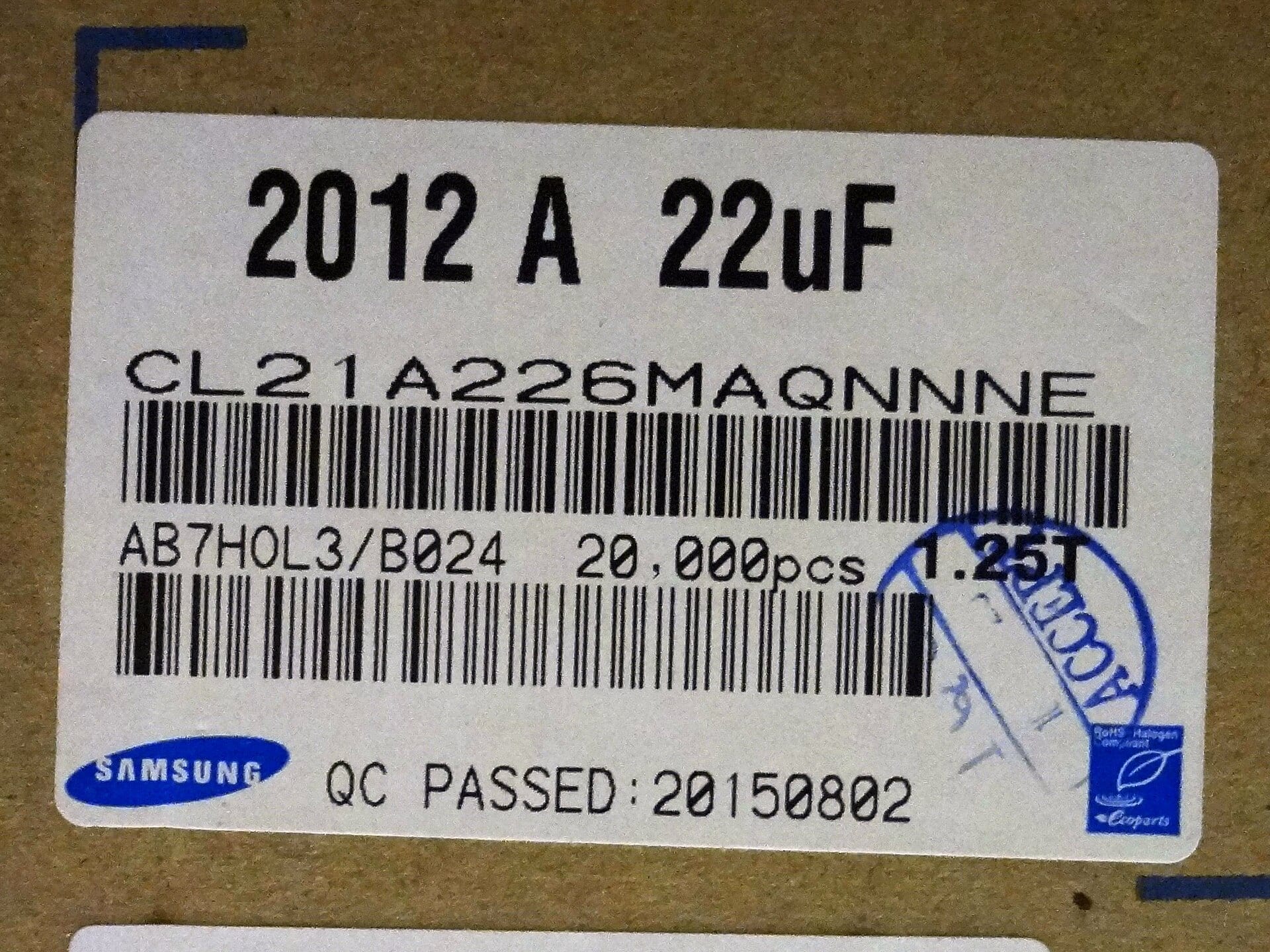
Chip distributor Avnet is the quiet winner of AI's memory squeeze; factories get the bill
Avnet's own supply report, published October 14, 2026, shows AI buyers booking memory years ahead while everyone else queues, and the squeeze just delivered the distributor a record quarter. The September-quarter guide is the first test of whether scarcity economics hold into fiscal 2027.
 Richard Tang · 3 min read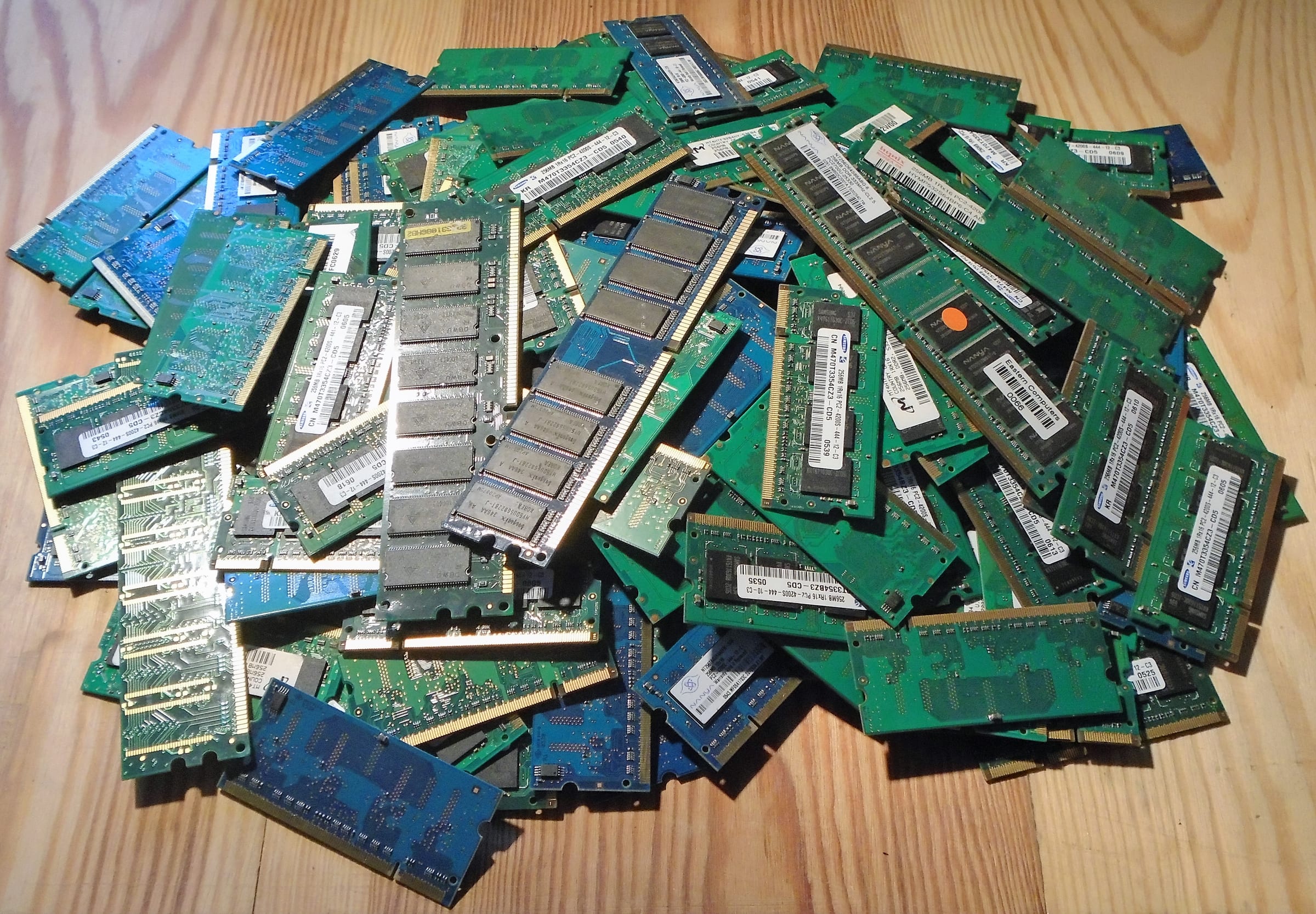
The shortage is booked years ahead
AI's memory squeeze has a quiet winner: the distributor standing between the chipmakers and everyone else. On October 14, 2026, Avnet−5.06% — Avnet, down 5.06 percent today Silica, the European arm of the electronics distributor Avnet, published its quarterly Trendliner supply report, and it reads like an allocation ledger 1. The pull of high-bandwidth memory, the stacked DRAM sold alongside AI processors, is tightening everything around it: programmable-logic parts are quoted past a year, and industrial customers are being asked for demand visibility through the end of 2027 1. Samsung has reportedly committed roughly 70% of its memory capacity through 2031 under long-term agreements with AI customers 2. Micron has sharply raised its 2027 high-bandwidth memory prices 3. DDR4, the standard most factories still run on, has been left to second-tier makers who cannot meet demand 4. Scarce parts are allocated before they are made, and everyone outside the AI buildout queues.
The distributor became the allocator
Scarcity changes what a distributor sells. When anyone can buy, distribution is logistics; when almost nobody can, it is allocation. Avnet's June quarter, its fiscal fourth, expanded adjusted operating margin for a fourth straight quarter, to 3.8% 56. The margin record shows pass-through rather than mark-up: gross margin held at 10.4% because Avnet hands memory price increases to customers instead of profiting from them 5. About a third of the quarter's growth was price, not units 5. The profit came from volume running over a fixed cost base: overhead took about 63% of gross profit, against roughly three-quarters a year earlier 56.
Avnet's growth swung from a 15% decline to 48% as AI buyers crowded in
Data
| Revenue, year over year | |
|---|---|
| Q1 '24 | -13.2% |
| Q2 '24 | -15.1% |
| Q3 '24 | -11.5% |
| Q4 '24 | -8.7% |
| Q1 '25 | -6% |
| Q2 '25 | 1% |
| Q3 '25 | 5.3% |
| Q4 '25 | 11.6% |
| Q1 '26 | 33.9% |
| Q2 '26 | 47.7% |
Avnet's revenue has climbed five straight quarters, and the guide extends the climb
- Quarterly revenue
- Estimate
Data
| Quarterly revenue | |
|---|---|
| Q1 '24 | $5.65B |
| Q2 '24 | $5.56B |
| Q3 '24 | $5.6B |
| Q4 '24 | $5.66B |
| Q1 '25 | $5.32B |
| Q2 '25 | $5.62B |
| Q3 '25 | $5.9B |
| Q4 '25 | $6.32B |
| Q1 '26 | $7.12B |
| Q2 '26 | $8.3B |
| Sep '26 (guide) (estimate) | $9.15B ($9.0–9.3B) |
In a shortage, the middle of the supply chain stops being overhead and becomes the product.
The bill lands where AI is not
The buyers at the back of the queue are Avnet's own base: automotive is 39% of the EMEA served market the Trendliner measures, with industrial next 1. The squeeze is meeting its limit at the far end, where the analyst firm TrendForce still expects DRAM contract prices to rise double digits this quarter, but more slowly, because PC and phone buyers have hit their ceiling 9. That is the link that could break, and it sits at the end of the chain, not the middle. The market has already paid for the scarcity: the stock has roughly doubled this year and the research firm Zacks rates it a Strong Buy, while the stock-analysis service GuruFocus calls it overvalued and insiders were net sellers 68. The September-quarter guide assumes the squeeze persists 5, and memory makers' 2027 pricing says it should 3. Turning scarcity into deliverable schedules is real work, and worth paying for. It is also scarcity-priced, and the equity case and the factory's parts bill are the same number.
Deepdive
AI-generated from this story and its cited sources. Not investment advice.