D-Wave Renewed Its Foundry Deal Inside Rival IonQ's Revenue
D-Wave renewed for multiple years with the Minnesota foundry its competitor IonQ bought in July, on terms that protect its own IP. Most of IonQ's raised 2026 revenue outlook is foundry work, and IonQ is paying for that position with stock sold at half last year's price.
 Richard Tang · 2 min read
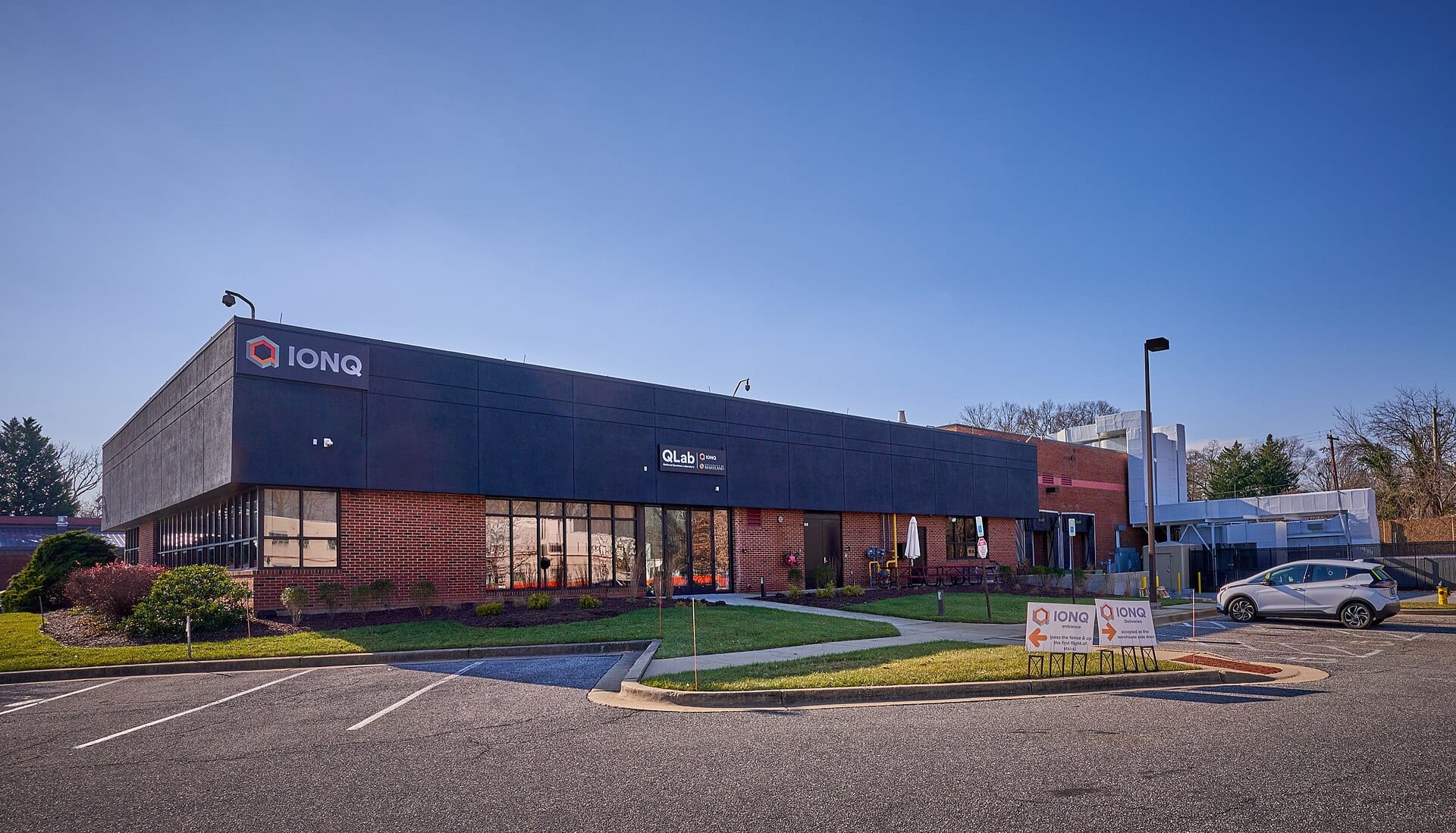
D-Wave renewed on October 13, for multiple years, the agreement that fabricates its quantum processors at SkyWater's Minnesota foundry 1. The foundry's owner since July 31 is IonQ−3.42% — IonQ, down 3.42 percent today 2, which competes with D-Wave−2.54% — D-Wave, down 2.54 percent today in quantum computing 4. That makes the renewal two things at once: a rival's money landing inside IonQ's results, and evidence that quantum's bottleneck has moved from qubit counts to repeatable manufacturing. Which side of the dependency reprices first, the diluted IonQ holder or the D-Wave holder supplied by a competitor, is what this week clarified.
Rivals now pay a fab their competitor owns
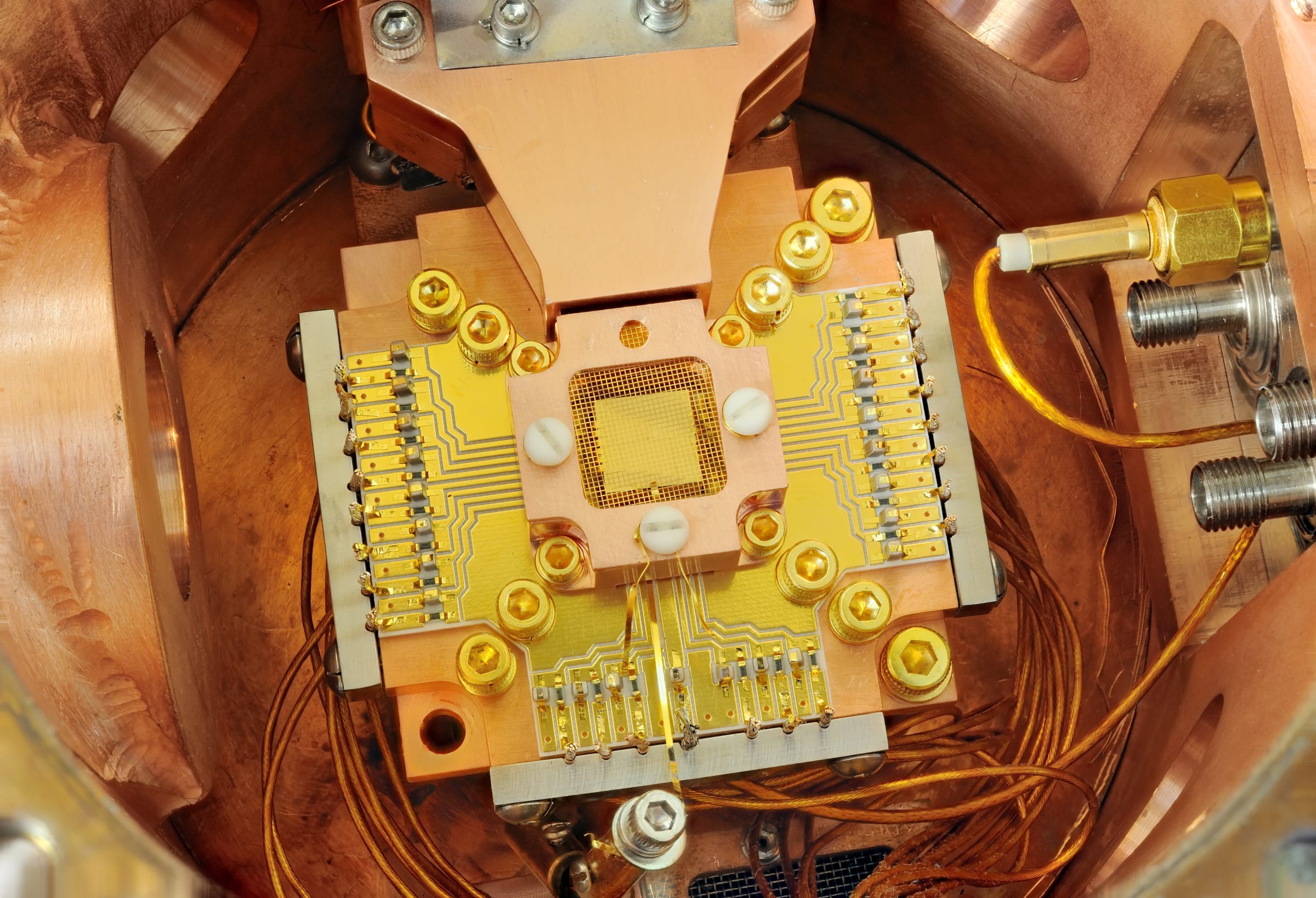
SkyWater has built D-Wave's superconducting processors for more than a decade, including the Advantage2 chips behind 2025 research published in Science 1. The renewal's terms protect D-Wave's intellectual property, and its legal boilerplate points readers to IonQ's annual report for risk factors 1. IonQ told investors in August it is now "the world's largest quantum merchant supplier," serving rival architectures, superconductors included, with "procedures in place to protect our customers' IP" 3. Morgan Stanley+0.46% — Morgan Stanley, up 0.46 percent today this week credited the purchase with "a slight edge in manufacturing," while rating the stock only Equal-Weight 4.
The raised outlook is mostly foundry revenue
IonQ guided standalone 2026 revenue to $280–290 million on August 5 3. On September 8, folding SkyWater in from the July close, it guided $450–460 million 2. The foundry likely covers most of that increase by itself: SkyWater's first-half revenue more than doubled year over year 5. The organic quantum business is real as well, with contracted revenue not yet booked of about $485 million, nearly four times a year earlier 3.
The 2026 outlook rose $170 million the day SkyWater entered it
- Low end
- High end
- Estimate
Data
| Low end | High end | |
|---|---|---|
| Aug 5 guidance (estimate) | $280M | $290M |
| Sep 8 guidance (estimate) | $450M | $460M |
IonQ posted five straight record quarters before the foundry landed in its numbers
Data
| Revenue | |
|---|---|
| Q3 '23 | $6.14M |
| Q4 '23 | $6.11M |
| Q1 '24 | $7.58M |
| Q2 '24 | $11.38M |
| Q3 '24 | $12.4M |
| Q4 '24 | $11.71M |
| Q1 '25 | $7.57M |
| Q2 '25 | $20.69M |
| Q3 '25 | $39.87M |
| Q4 '25 | $61.89M |
| Q1 '26 | $64.67M |
| Q2 '26 | $80.05M |
The currency is the catch
IonQ paid $1.8 billion, mostly in shares, for SkyWater 3. It returned to the market on October 14 with a $2 billion stock sale 6. Heights Capital, the repeat buyer, paid $40 a share this time, against $93 for the same paper a year earlier 7. Counting the attached warrants, the share count rises by more than a third 7. IonQ was not short of cash; it was mid-spree, having announced the all-stock Elisity security acquisition two days before the raise 8.
Watch organic growth against the share count
The renewal survived the change of owner because a decade of superconducting process knowledge does not transfer to another fab quickly. That stickiness is the asset IonQ bought, and the shares it issued are the liability. Watch the Elisity closing this quarter, and whether organic quantum revenue keeps compounding faster than the share count once the foundry step-up is lapped 8. The dependency is stable in both directions: D-Wave keeps its roadmap, and IonQ keeps the bill.
Deepdive
AI-generated from this story and its cited sources. Not investment advice.