Google and ElevenLabs voice AI miss up to 38% of new drug names in Synthio Labs' public benchmark
A Y Combinator-backed startup's public benchmark found general-purpose voice models miss up to one in three newly approved drug names, and pharma is deploying those agents now.
 Vincent Jiangthree-minute read

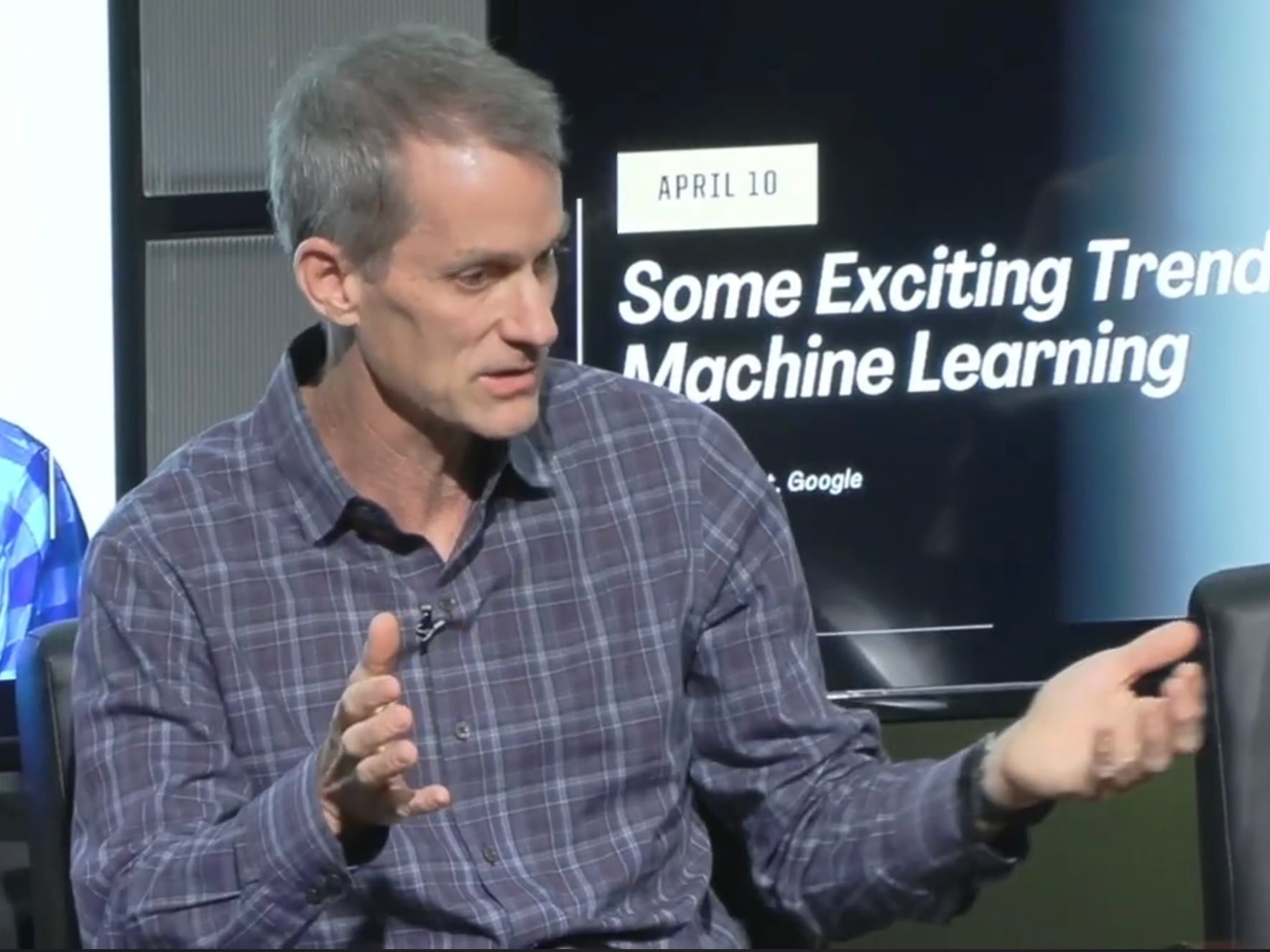
Voice agents are moving into pharmaceutical engagement this month: on November 5, 2026, Synthio Labs, a San Francisco startup selling clinical-grade voice AI to pharma, published five takeaways from a Fierce Pharma Week fireside chat it shared with Genentech 4. Two months earlier, on September 17, 2026, the same company published the accuracy test those agents will be judged against, and the general models fail it 1. The test is DOSE (Drug-name Oral Synthesis Evaluation), the first public benchmark of how well text-to-speech systems pronounce drug names.
The test, and who failed it
DOSE scored nine commercial text-to-speech models, including systems from ElevenLabs~$3.3B — ElevenLabs, private, latest valuation ~$3.3B, Google, Deepgram, Microsoft−0.86% — Microsoft, down 0.86 percent today and OpenAI$1.18T — OpenAI, private, latest valuation $1.18T, on 274 drug names, 146 of them newly approved 1. Each name was read inside a real clinical sentence and graded 0 to 5 against verified pronunciations; a score of 4 or higher passes 1.
General-purpose models passed between 63.1% and 80.3% of names overall 1. On new drugs every model dropped: ElevenLabs' eleven_v3 fell from 93.0% on established names to 67.1%, Google's+1.01% — Google, up 1.01 percent today Gemini TTS from 89.1% to 61.6% 1.
Microsoft Azure passed fewer than half of generic names (INNs, International Nonproprietary Names, the standard generic drug names) 1. One system spelled the flu drug Xofluza letter by letter 1.
New drug names are where general voice AI breaks
Both leading general models score their worst on newly approved drug names
- Established names
- Newly approved names
Data
| Established names | Newly approved names | |
|---|---|---|
| ElevenLabs eleven_v3 | 93% | 67.1% |
| Google Gemini TTS | 89.1% | 61.6% |
Synthio's own RxPronounce model topped the table at 91.2% overall and 87.0% on newly approved names, 10.9 points ahead of the next system 1.
An old safety category, a new speaker
Rajashekar Vasantha, Synthio's co-founder and CTO, whose team built DOSE, argues the safety category is old even if the benchmark is new: "Sound-alike drug name confusion is a patient-safety category WHO, ISMP and FDA already track" 1. Independent record confirms the Institute for Safe Medication Practices (ISMP), a nonprofit founded in 1975, has spent decades investigating and publishing medication errors that occurred in practice 5. Voice AI adds a new speaker to that problem.
Chief executive Supreet Deshpande supplied the mechanism: "The pattern tracks where training data runs out" 1. Every model handles metformin, a legacy diabetes drug, but struggles with the molecule approved last quarter, exactly the name a launch team or patient most needs spoken correctly 1.
A vendor's benchmark crowns its own model
The caveat is structural: this is a vendor's benchmark crowning the vendor's own model. Synthio's research index dates DOSE to August 2026, while the announcement went out on September 17 21. The full dataset, audio and scoring rubric are published, on Hugging Face among others 12, but no independent re-run exists yet.
Watch for one. If the 10.9-point gap survives outside review, vertical pronunciation layers become the wedge that displaces general voice APIs in regulated healthcare, and Synthio, already live at several top-10 pharma companies and on AWS−0.12% — AWS, down 0.12 percent today Marketplace, fields the product to collect 14.
Get Model by email, free
The AI labs, their models, and the business behind them. In our daily email, every weekday.