GXO signs letter of intent for up to 1,000 Apptronik Apollo robots, paying only for work that hits targets
The letter of intent commits no capital and books no revenue. What it puts on the record is an hourly price for humanoid labor, and that number, not the robot count, is what should move money in GXO, Agility and Alphabet.
 Richard Tangthree-minute read
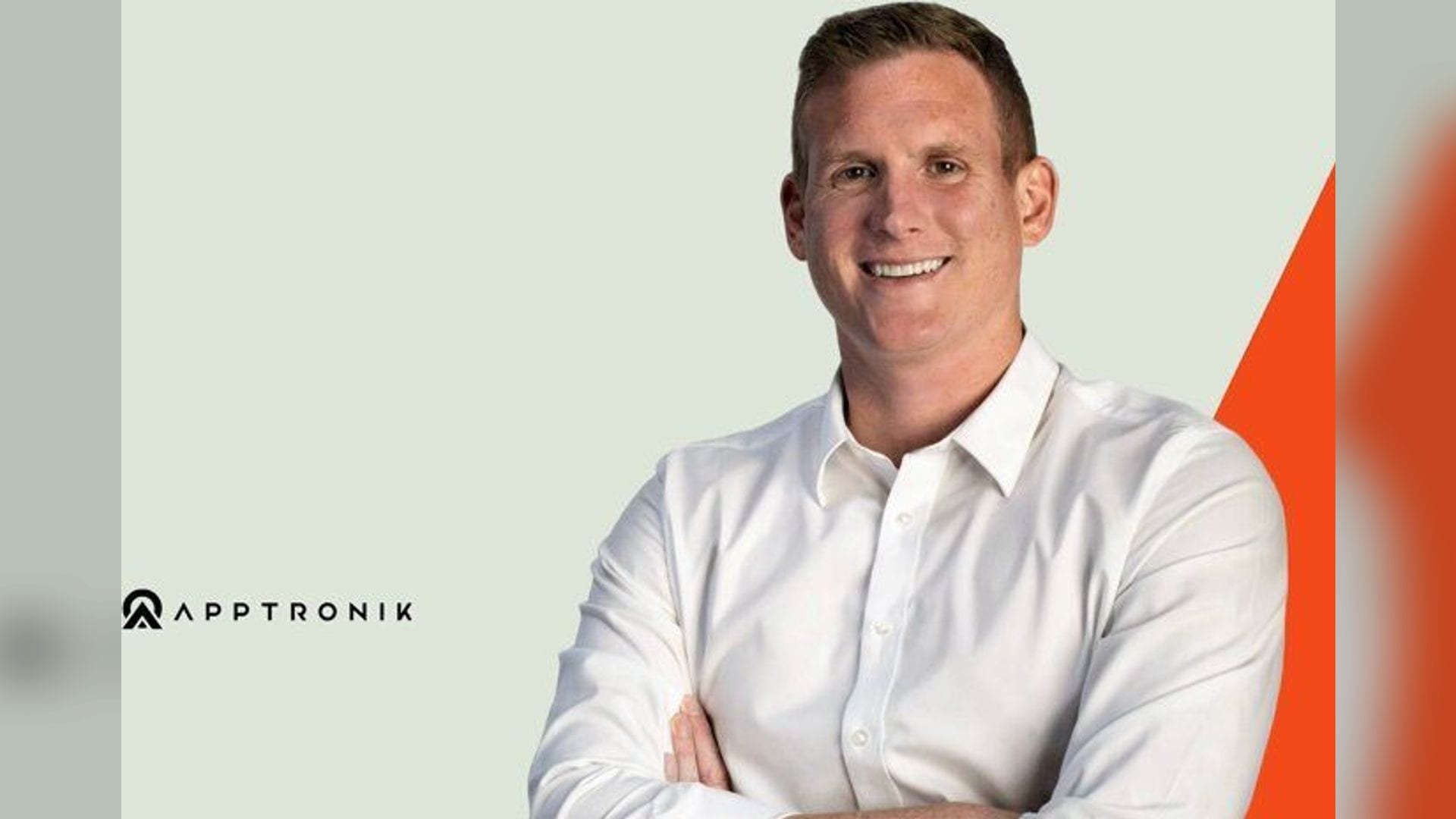
GXO, the world's largest contract logistics company, signed a letter of intent with Austin robot maker Apptronik~$1B — Apptronik, private, latest valuation ~$1B on November 12 to expand trials of the Apollo humanoid and work toward a fleet of up to 1,000 machines over four years 1. Trials start in 2027, the first deployments land in North America in late 2027, and GXO would pay for the work as a service rather than buy the robots 1.
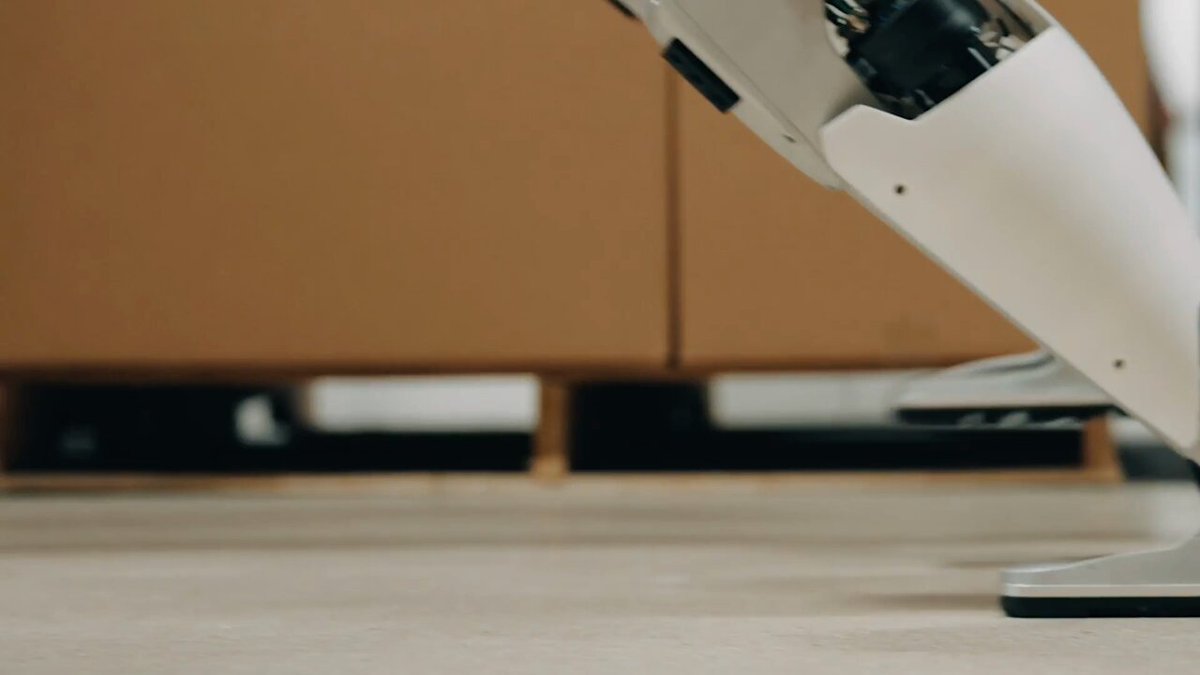
Chief executive Patrick Kelleher said in August that GXO has not earned a return on humanoids yet and is about two years away 23. GXO has advertised a thousand robots; what the letter leaves open is whether an hour of Apollo will ever beat an hour of a person 25.
The letter commits no capital, and that is its virtue
A letter of intent is not an order: no price, no sites and no contract value are public 2. Each workflow, from picking to sortation, must clear its own productivity and safety targets before it scales 1. For shareholders, that makes the stock a bet on 2027 trial results, since the letter obliges GXO to nothing 1.
Agility's Nasdaq debut shows what intentions cost
The market is already pricing humanoid intentions. Agility Robotics, whose Digit humanoid already moves totes in GXO warehouses 2, began trading on Nasdaq as AGLT on November 5 at a $2.5 billion valuation 4. Its 2025 sales were $1.8 million, and most shareholders of the blank-check merger that listed it took their cash back rather than convert 4.
Agility's $2.5 billion listing rests on $1.8 million of sales
A $2.5 billion valuation already stands on $1.8 million of sales
Data
| Value | |
|---|---|
| Valuation at listing, Nov 2026 | $2,500M |
| 2025 sales | $1.8M |
| 2025 net loss | -$138M |
A robot hour already costs less than a person hour; output is the gap
Per an August interview, Kelleher puts humanoid operating cost at $10 to $15 an hour today 5. His all-in target is $15 to $20 within two years, about where returns begin 5. JPMorgan's analysts see the same floor at $10 to $12 an hour to operate 6. A human warehouse hour runs near $30 6.
A robot hour already undercuts a human hour; output per hour is the gap
Robot hours already cost less than human hours; output is what the 2027 trials must prove
- Estimate
Data
| Value | Range | |
|---|---|---|
| Human warehouse labor (JPMorgan) (estimate) | $30/hr | — |
| Humanoid operating cost, 2026 (JPMorgan) (estimate) | $11/hr | $10–12/hr |
| GXO all-in target, ~2028 (estimate) | $17.5/hr | $15–20/hr |
What has not arrived is output: JPMorgan+0.57% — JPMorgan, up 0.57 percent today counts two humanoids to match one worker 6, and Kelleher names hand dexterity and task pace as the remaining hurdles 37. The trials therefore aim at picking and packing, where most warehouse labor goes 5, beyond the tote moving Digit has proven at one Georgia site 2.
If the math lands, the payoff spreads beyond GXO
Apollo 2 robots already collect task data at GXO sites and at Apptronik's Robot Park training facility, and that data trains Gemini Robotics, Google DeepMind's robot models 8. Every trial shift feeds the next model. Since GXO pays only for work that clears its targets, the cost of a slow robot lands on Apptronik. It has raised nearly $1 billion from investors including Google and Mercedes-Benz 9.
The listed exposure runs through GXO itself, Agility as the comparable, Alphabet−1.54% — Alphabet, down 1.54 percent today, Google's parent, for the data loop, and Jabil−2.87% — Jabil, down 2.87 percent today, an Apptronik partner 9. What is at stake for GXO is labor: more than 150,000 employees across its network 1.
GXO pays nothing until Apollo clears a picking target
The structure is honest: nothing is paid for capability that has not earned it. When we covered Gemini Robotics learning Apollo's hands in October, the open question was who pays for the work, and at what rate. Now there is an answer, with a date and an hourly price attached. What to watch in 2027 is whether Apollo clears its first picking target; until then, GXO has committed to nothing.
Get Robotics & Defense by email, free
Robots, self-driving vehicles, drones and AI in defense. In our daily email, every weekday.


Reader comments
0 comments