Iran's drones erased AWS customer data; Amazon paid in credits
Iranian drones struck five Gulf data centres, the first deliberate wartime targeting of commercial cloud. AWS cannot restore some customer data, and the insurance market courting the AI build-out caps its biggest bundles at $8.5bn on projects worth up to $25bn.
 Vincent Jiang · 3 min read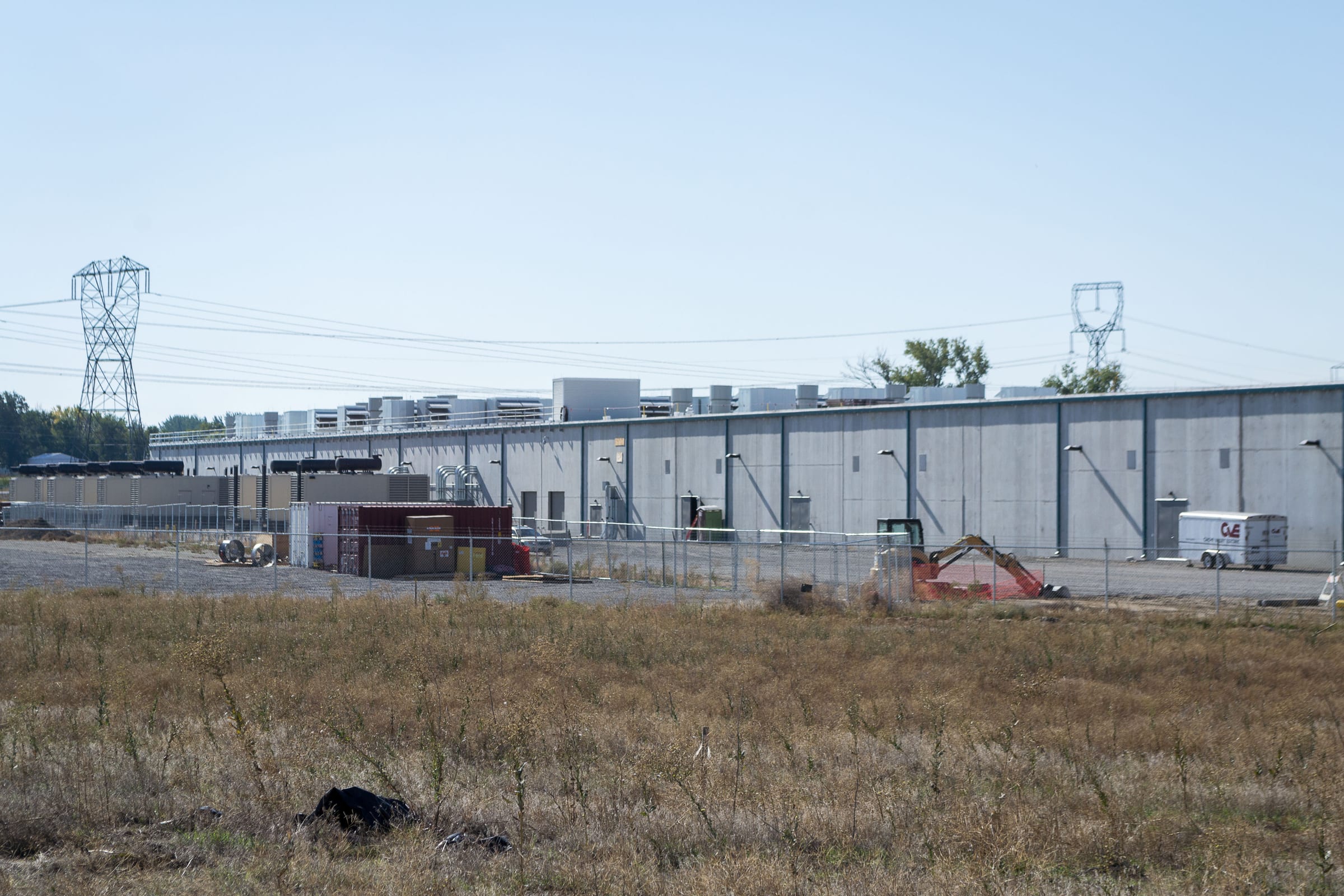
Gone means gone
On 15 September 2026, Amazon Web Services told Gulf customers what six months of recovery work had produced: it was "unable to restore access to the resources and data" hosted in its Bahrain region and one UAE availability zone, after Iranian drone strikes that began on 1 March 238. The damage "spanned multiple Availability Zones and exceeded what our regional and multi-AZ services are designed to withstand"; AWS said it had "exhausted every option" for data not migrated out in time 29.
It suspended billing in the affected regions and, according to reports, issued roughly $150m in customer credits after the first strikes 2. Credits are not data.
Five campuses, one first
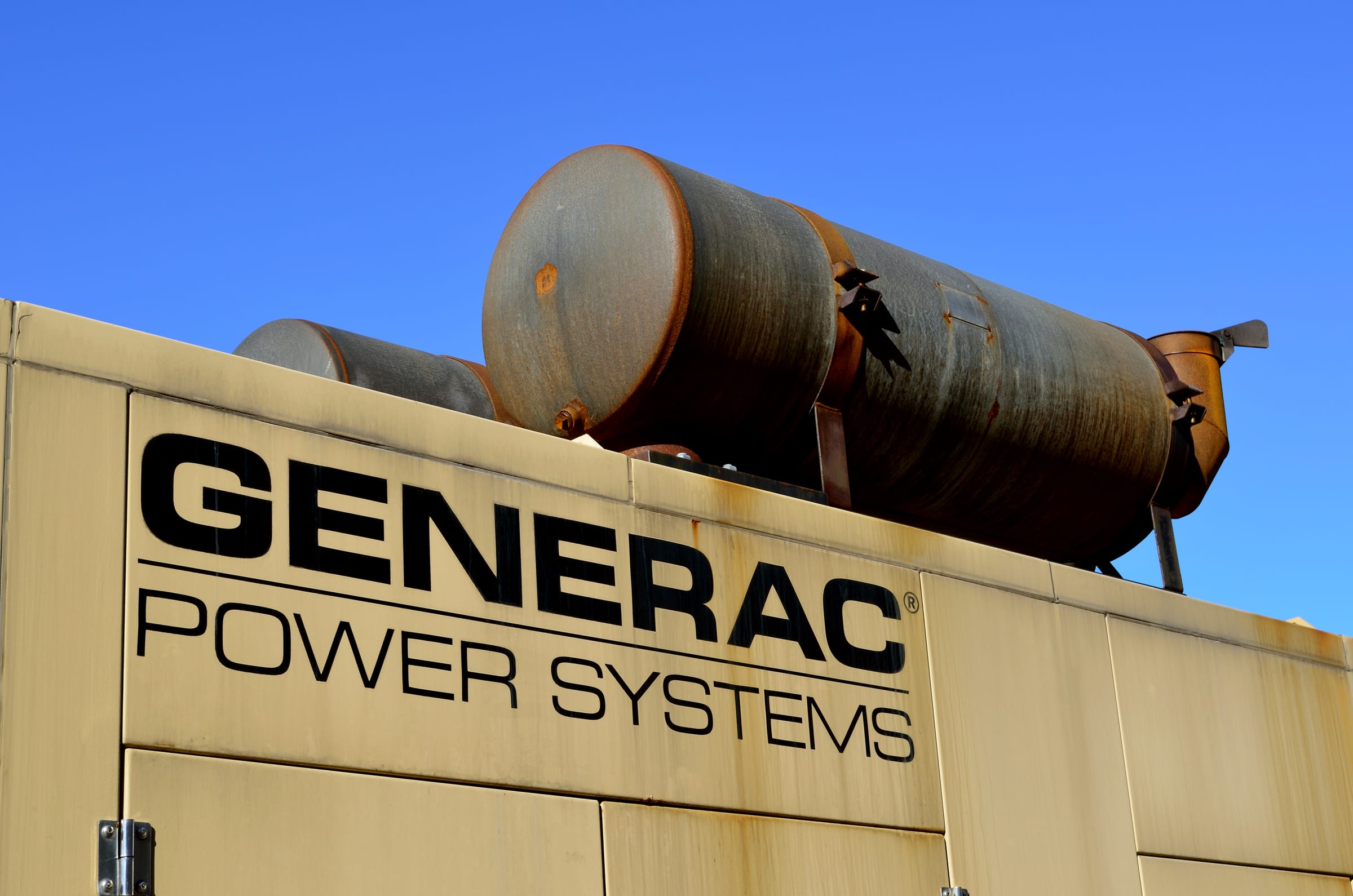
Howden counts five data centres struck across the UAE and Bahrain, the first deliberate wartime targeting of commercial data centres 4. Iran's Revolutionary Guards said they hit Bahrain because of Amazon's support for the US military, and satellite imagery confirmed the July strikes 37. In 2025 alone, data-centre space built within 10 to 15km of active conflict zones matched about 60% of the previous five years combined 4.
The market that wants the premiums
At this month's Monte Carlo Rendez-vous, data centres were the growth story 110. Swiss Re expects tied premiums to climb from $11bn to $24bn by 2030, and Swiss Re Institute sees AI data centres and renewable infrastructure generating around $200bn of premiums between 2026 and 2030 15. Arbol's Sid Jha, fresh from the same event, says the build-out will force the industry to rethink traditional risk modelling 10.
The cover runs out at $8.5bn
The market's largest bundles cover up to $8.5bn of value on projects worth up to $25bn, leaving many of the biggest campuses insured to less than half their worth 1. A single site can cost $20bn to build, up to double once the chips are in 5. War sits between wordings: cyber, property and war coverage are blurring, Howden says, and policy language must catch up 4.
Six months of disclosures have produced a restoration timeline, not a claim. No claims figure has been disclosed by Amazon or by any insurer.
The biggest bundle covers up to $8.5bn of value on projects worth up to $25bn
- Estimate
Data
| Value | |
|---|---|
| Project value a bundle covers (up to) | $25B |
| Premium pool, 2030 (est.) (estimate) | $24B |
| Single-site build cost (up to) | $20B |
| Premium pool, 2026 | $11B |
| Largest bundle limit (up to) | $8.5B |
Who is actually holding the risk
Hyperscalers keep the residual. Deep pockets let them "take on quite a bit of risk themselves", Allianz's Darren Tasker notes, and captive premiums worldwide rose 8% in 2025 to roughly $240bn 1. Money is arriving on the other side of the trade too: CalPERS lifted its catastrophe-bond and reinsurance-linked allocations by about 70% in six months to nearly $2.46bn 6. Pension capital is being paid to absorb peak losses, though those securities are mainly tied to homeowners' policies, not war 1.
The other side can take a hit
A single shock loss would not erase the industry, says Aon's Caroline St. Clair, and insurers still speak of data centres with glee 1. Amazon says it remains committed to Bahrain long term, with a further update due in early 2027 2. Both can be true: the industry survives, and the customer still owns the data that never came back.
What to watch
The UAE is redesigning Stargate, the 5-gigawatt campus pitched by OpenAI, Nvidia, Oracle and Cisco, around dispersal, underground halls, blast-resistant concrete and interceptors 3. The tell is the first catastrophe bond written on a data centre: capital markets are structured for exactly this peak risk, in Howden's reading 5. Until one prices, the cloud's newest peril stays where the drones left it, on Amazon's balance sheet and its customers' backups.
How this brief was made
01Gathered & sourced259 channels · 1,837 articles▾
Agents swept 259 channels and ingested 1,837 articles, then de-duplicated and ranked them for signal.
02Verified & cross-validated10 claims · 25 data feeds▾
Every one of 10 load-bearing claims was checked against primary sources, with 25 live data feeds reconciling the figures and charts.
- 1The Economist, "Data centres are straining the insurance market", 22 September 2026
- 2Ars Technica, "Iran strikes on Amazon data centers caused permanent loss of customer data", 16 September 2026
- 3CNBC, "AWS says it can't restore service to Bahrain, UAE facilities 6 months after Iran strikes", 15 September 2026
- 4City A.M. via OilPrice, "War Is Now A Core Risk Category For Data Centre Operators", 21 September 2026
- 5Artemis.bm, "Capital markets, ILS well-structured to absorb data centre nat cat risks: Howden", 15 September 2026
- 6Artemis.bm, "CalPERS ramps up cat bond and ILS investments to near $2.5bn valuation at mid-year 2026", 14 September 2026
- 7Mobile World Live, "Amazon data centres damaged in Bahrain", 28 July 2026
- 8The Verge, "Amazon says some data was permanently lost after Persian Gulf data center drone strikes", 17 September 2026
- 9Communicate, "AWS data loss puts Gulf brands' cloud resilience under the spotlight", 22 September 2026
- 10Artemis.bm, "Data centre build-out will force industry to rethink approaches to risk modeling: Arbol CEO", 16 September 2026
03Reviewed & edited2 human editors▾
2 editors read the draft against the evidence, tuned the framing, and signed off before it shipped.
Become a contributor
Reporting on the business of AI and want it read? We take pitches from outside contributors who bring primary sources and a number worth arguing about.
Deepdive
AI-generated from this story and its cited sources. Not investment advice.