A $50 Billion Deck Wants to Move AI Training to Orbit. The Repair Bill Is a Rocket.
The physics is generous: free sun, free cooling, no land. The financing is not, because launch and radiation price the silicon by the kilogram.
 Vincent Jiangfour-minute read
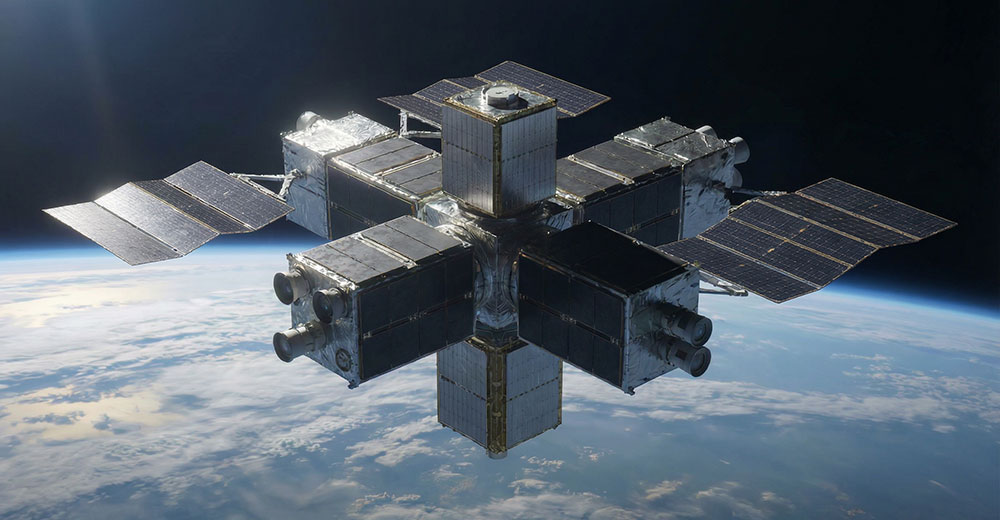
A ten-megawatt training rack weighs about as much as forty adult elephants. The pitch making the rounds this month asks investors to put all forty into orbit, keep them cold in a vacuum, and never once send a technician up to reseat a cable.
Fifty billion dollars, chasing free sun
A $50 billion proposal to move the next generation of AI training clusters off the planet is circulating among funds that sat out the last data-center buildout and watched it 10x, according to a financing memo1 and deck excerpts posted to X6 in September 2026.
The physics actually checks out
The strange part is that the physics checks out. In low Earth orbit the sun never sets, a vacuum radiates heat away for free2, and land costs nothing. Power and cooling are the two bills that compound hardest on the ground5, and orbit deletes both. On the marginal megawatt, above the atmosphere really is cheaper than below it.
Then the bill is priced by the kilogram
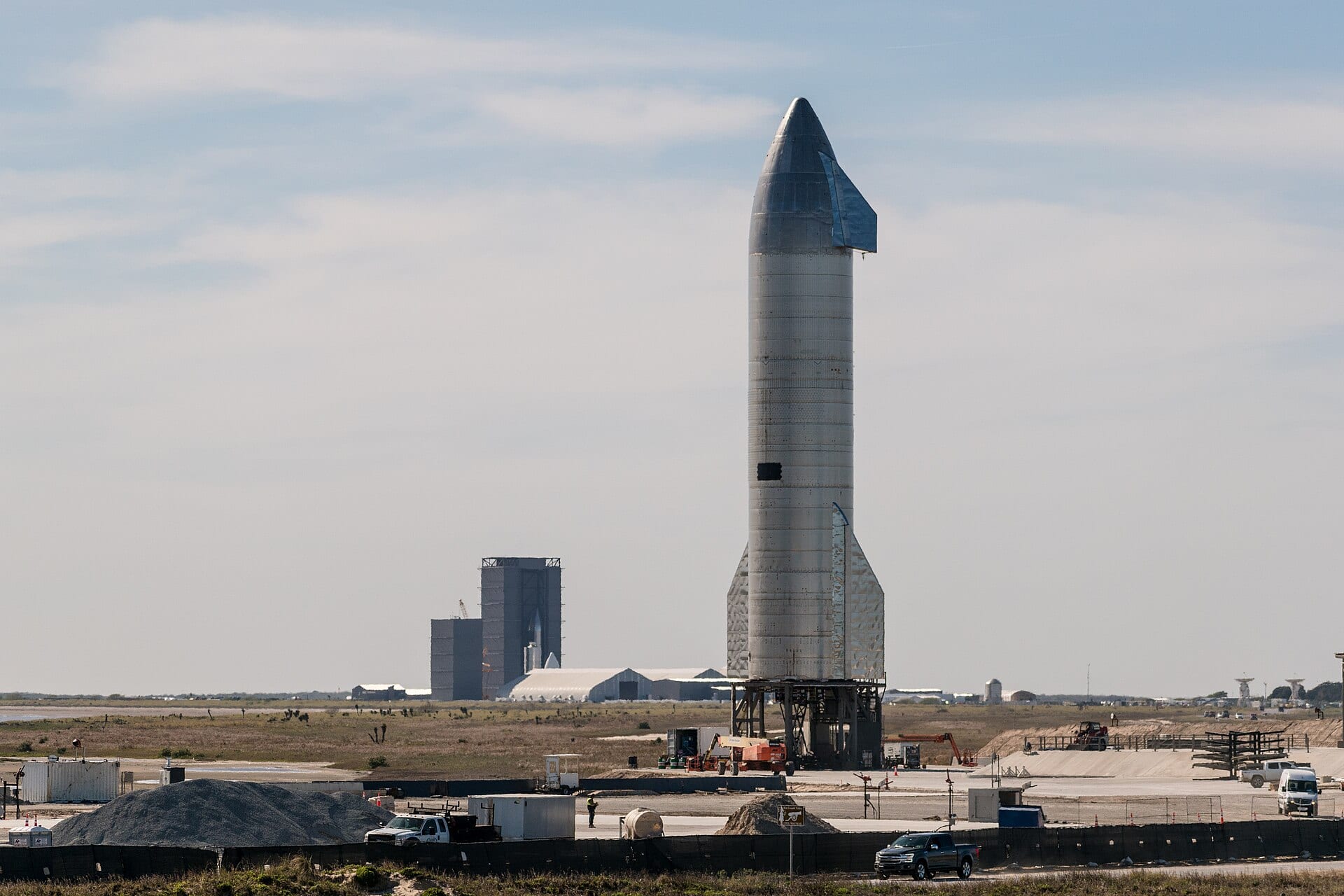
Then the bill for getting there arrives. Launch is priced by the kilogram, and a hyperscale cluster weighs in the thousands of tons. Even at a projected $1,000 a kilogram, lofting a single 10-megawatt rack runs into the hundreds of millions before one token is trained3 (est.).
Radiation is the second tax. The commercial silicon that fills ground clusters, Nvidia's−10.86% — Nvidia, down 10.86 percent today included, degrades fast outside the magnetosphere4, and radiation-hardened parts trail the frontier by years, which is the one lag a training cluster cannot spend.
Data
| Value | |
|---|---|
| Ground rack, all-in | 1x |
| Orbit rack, all-in | 3 to 5x est. |
The believers are not fools
The believers have a real answer. Training does not care about latency the way inference does, so a cluster no human ever visits is not a bug, it is the whole thesis. No land lease, no grid queue, no cooling towers. The funds pattern-matching to the last buildout are not fools, they were early to the thing everyone later called obvious.
What the deck does not price is the repair. A failed GPU on the ground is a hot-swap and a shrug. A failed GPU in orbit is a rocket.
The number that decides it
Watch for the first honest number: a cost per usable teraflop-year with launch and radiation priced inside it. Until that prints, the deck is selling free sunlight and quietly billing for the climb.
Get Data Center by email, free
Who is building AI's data centers, and who is paying for them. In our daily email, every weekday.

Reader comments
0 comments