Amazon Pays Its Suppliers, and Collects in Their Shares
Generac just gave Amazon a warrant on 1.69 million shares that vests as Amazon spends up to $8 billion on backup generators — thirteen days after Qualcomm struck the same structure. The bill lands on suppliers' shareholders.
 Richard TangSeptember 18, 2026 · 5 min read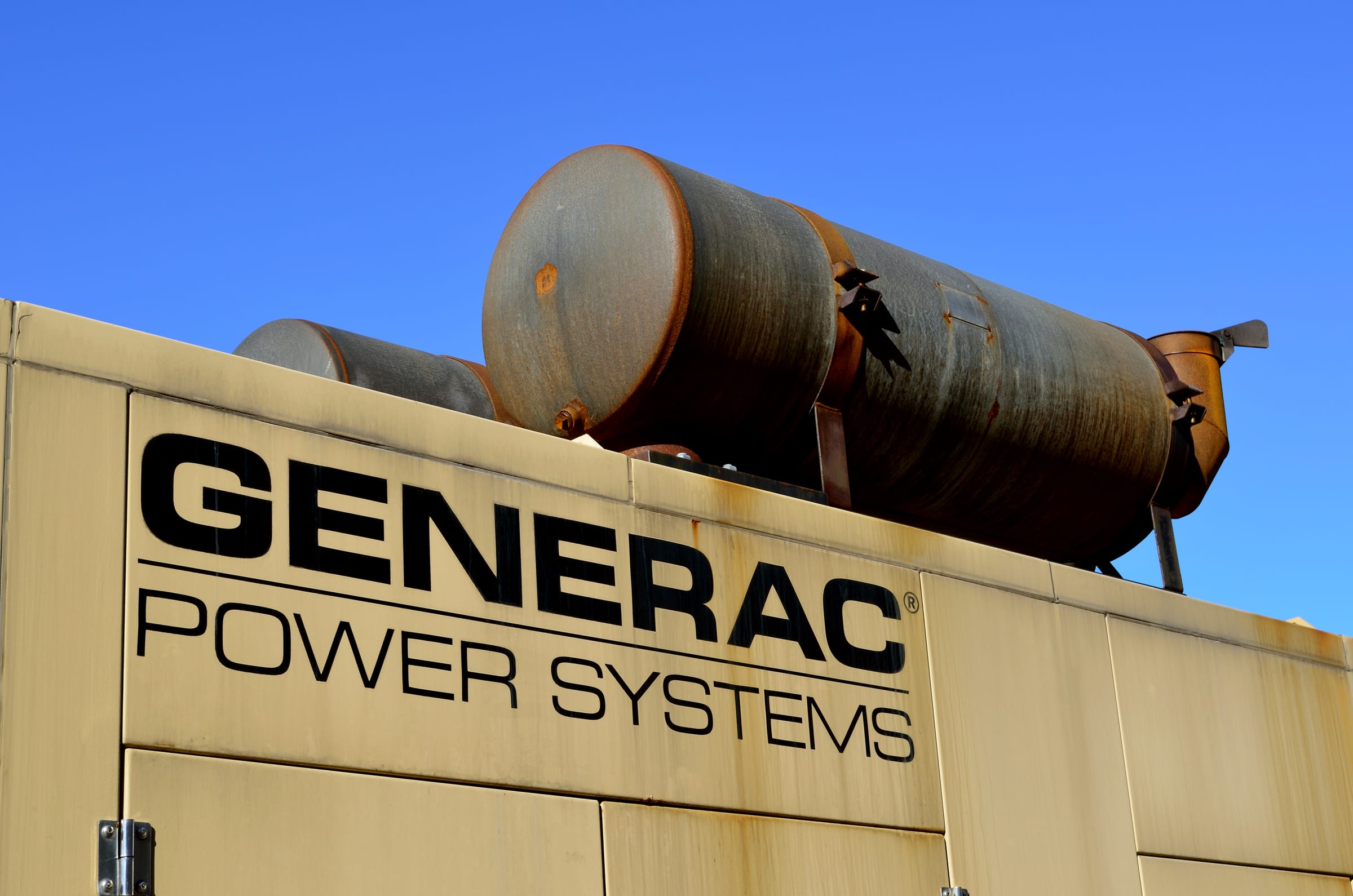
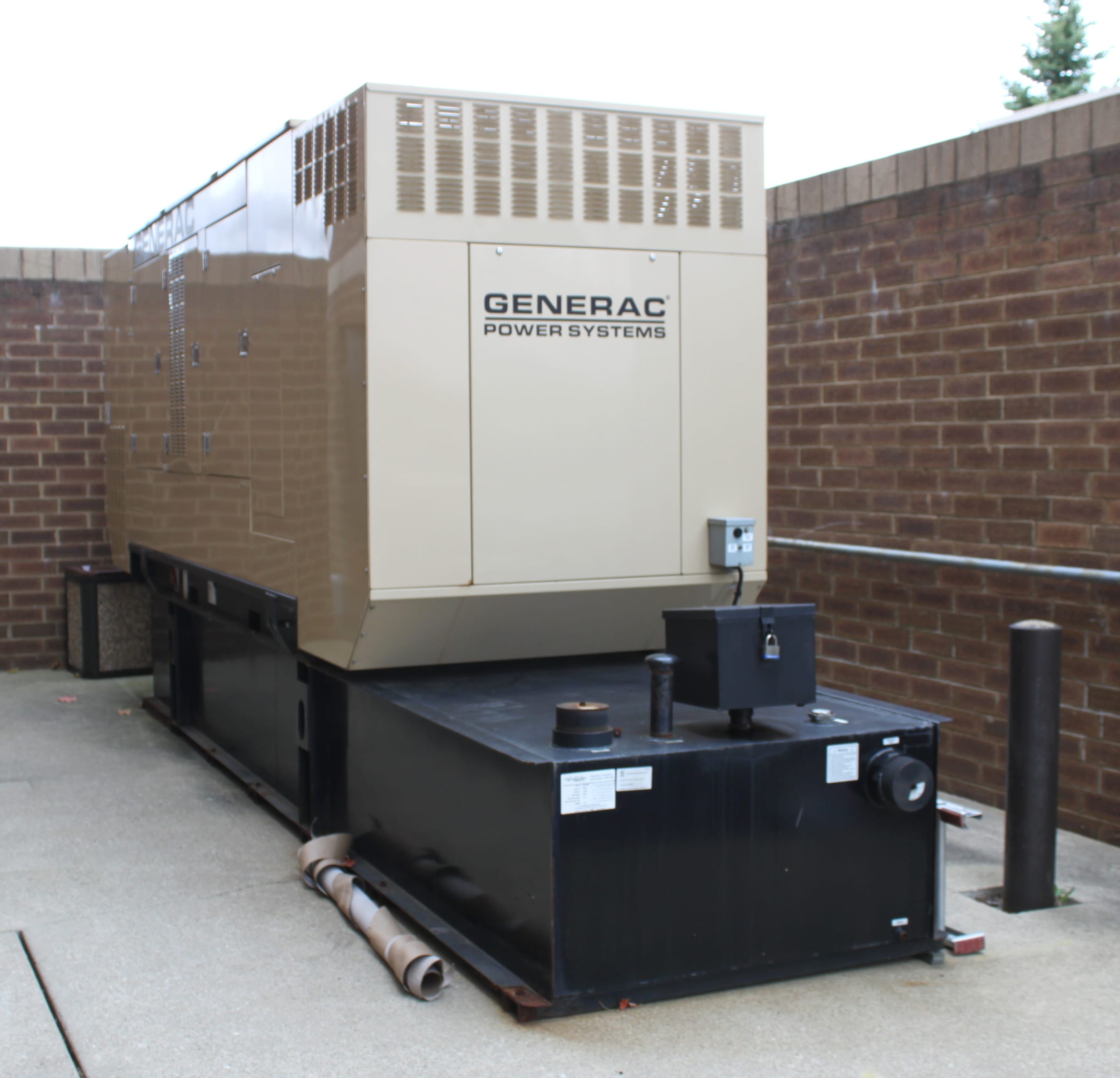
Generac had a good Thursday. The stock rose 18.34% to $207.76 after the company signed a long-term deal to supply backup generators for Amazon's data centers, with initial deliveries expected to total $2.4 billion across 2027 and 2028 15. But the number that will still matter in 2033 is not the percentage. It is 1,693,745 — the shares Generac granted Amazon's subsidiary a warrant over, at $200.9266 each, exercisable through 16 September 2033 1. Only 307,954 vested at signing, about 18.2% of the package 6; the rest vests as Amazon's payments for generators reach $8 billion 1. Fully exercised, that is at least 2.57% of the company on a fully diluted basis, by Generac's own count 3.
Thirteen days earlier, Qualcomm signed the same shape of deal: a warrant on 25 million shares at $161.26, expiring in 2036, 15% vested at issuance and the rest tied to binding orders and actual purchases of its server chips — up to $60 billion of them 4. No minimum purchase commitment is disclosed 7.
Two in two weeks is a term, not a coincidence. Reporting the Generac deal, CNBC noted that Amazon "frequently purchases warrants and takes stakes in its suppliers," naming Astera Labs, air-cargo contractor ATSG, Plug Power and Spartan Nash 9. For companies selling into the AI build-out, the question is no longer only whether you win hyperscaler orders, but what equity you surrender to book them.
What Amazon gets, and what it costs
Amazon pays no premium for this option. The strike was set at signing, and the announcement itself — an 18.4% jump — carried Generac above it within a day 15. Qualcomm's warrant sits about 17% in the money at $188.64 47. The warrant can be exercised cashless at Amazon's election, so Amazon can take net shares without laying out cash 12. Generac granted registration rights so those shares can be sold; Qualcomm says it will file a resale prospectus 14. A 4.999% cap on Amazon's ownership is waivable on 61 days' notice 2.
This is a volume rebate paid in the supplier's own paper and funded by its shareholders. If the deal works as both sides hope, Generac's existing owners will own roughly 2.6% less of a larger company 3; CNBC sized the warrant at up to $340 million, almost 3% of the shares 9. That can still be a good trade — but it should be priced, not lost in the pop.
One difference between the two deals matters. Generac's transaction agreement recites that Amazon provided purchase orders and commitments for "no less than [***]" — a firm floor exists, and its size is redacted 3. Qualcomm's filing discloses none 7. Generac and Amazon also already had a global purchase agreement since 24 June 2026; the warrant arrived as the relationship deepened 3.
What these warrants become
Plug Power took this deal in August 2022: a warrant on 16 million shares, 1 million vested immediately, the rest as Amazon's hydrogen payments hit $2.1 billion over seven years, at a strike of $22.9841 on the first 9 million shares, running to 2029 10. Plug closed at $2.12 on 17 September 2026 11. The warrant is deep under water with under three years to expiry, and the supplier that issued it has diluted to some 1.4 billion shares amid persistent cash burn 11. Plug had even given Amazon a warrant once before, in 2017 10.
Rivian shows the other half of the pattern, through direct investment rather than a warrant. Amazon's stake reached 22% after the November 2021 IPO, when the stock peaked at $146.07; by May 2026 Amazon held about 12.28%, passed by Volkswagen at 15.9% 12. Equity did not lock in demand. In early 2023 Amazon told Rivian it wanted roughly 10,000 vans — at the low end of expectations — and Rivian surrendered exclusivity in exchange for freedom to sell to others 12.
That is the part suppliers should read twice. A warrant that vests on spending pays Amazon only for purchases it would make anyway if the product is competitive. It secures nothing: not volume, not pricing, not loyalty. The product does that work; the warrant just lets Amazon collect a rebate on it.
Who pays, and what to watch
I do not blame either supplier for signing. Generac's home-standby business is sluggish and data centers are its growth lever — a validated AWS supply deal moved Caterpillar, Eaton and Schneider up with it 8. Accepting ~2.6% contingent dilution 3 for a customer of Amazon's scale is a defensible price, and Generac at least has a floor, even a redacted one 3.
The asymmetry is still worth naming. The scarce resource in the AI build-out is qualified supply — generators, chips — not Amazon's cash. Amazon is converting purchasing volume into equity claims on its suppliers at zero premium, and every signature teaches the next supplier that the term is askable. Meanwhile the supplier's growth now hangs on one customer whose filings promise, in Qualcomm's case, nothing at all 7.
So value the warrant for what it is. It is a rebate, not an endorsement, and a ceiling on how much of your own success you keep. The two numbers worth checking before cheering the next one: the vesting threshold against what the customer was realistically going to spend, and the share count against the warrant's. And if Microsoft or Google start asking for the same term, the discount has become the market.
How this brief was made
01Gathered & sourced360 channels · 2,087 articles▾
Agents swept 360 channels and ingested 2,087 articles, then de-duplicated and ranked them for signal.
02Verified & cross-validated12 claims · 22 data feeds▾
Every one of 12 load-bearing claims was checked against primary sources, with 22 live data feeds reconciling the figures and charts.
- 1SEC EDGAR, Generac Holdings Form 8-K (items 1.01, 3.02), filed 16 September 2026
- 2SEC EDGAR, Exhibit 4.1 — Warrant to Purchase Common Stock, Generac / Amazon.com NV Investment Holdings, 16 September 2026
- 3SEC EDGAR, Exhibit 10.1 — Transaction Agreement, Generac / Amazon.com, 16 September 2026
- 4SEC EDGAR, Qualcomm Form 8-K (item 3.02), date of report 3 September 2026, filed 8 September 2026
- 5StockStory via Yahoo Finance, "Generac (GNRC) Shares Skyrocket, What You Need To Know", 17 September 2026
- 6GuruFocus via Yahoo Finance, "Amazon Jumps 2.5% While $2.4 Billion Buys Backup Power--and Equity", 17 September 2026
- 7GuruFocus via Yahoo Finance, "Qualcomm Gains 2% as Amazon's Warrant Prices AI Commitment", 17 September 2026
- 8Investor's Business Daily via Yahoo Finance, "AI Power Stocks Rally After Generac's Deal For Amazon Data Centers", 17 September 2026
- 9CNBC (via MSN), Annie Palmer, "Amazon obtains right to buy stock in Generac, boosting power company's share price by over 40%", 16 September 2026
- 10SEC EDGAR, Plug Power Form 8-K (items 1.01, 3.02), date of report 24 August 2022, filed 25 August 2022
- 11Google Finance, Plug Power Inc. (PLUG) quote, close of 17 September 2026
- 12Wikipedia, "Rivian" (Amazon investment and shareholding history), accessed 18 September 2026
03Reviewed & edited1 human editor▾
One editor read the draft against the evidence, tuned the framing, and signed off before it shipped.
Become a contributor
Reporting on the business of AI and want it read? We take pitches from outside contributors who bring primary sources and a number worth arguing about.
Deepdive
AI-generated from this story and its cited sources. Not investment advice.