Security

JFrog's lab found 42 hijacked repos wired to fire in Claude and Cursor; its stock is up 61% in 2026

JFrog's lab published three finds this week that all sit on AI tooling: credential-stealing LiteLLM wheels, 42 booby-trapped repos wired to Claude and Cursor, and an actively exploited Brotli flaw. The market has priced the fear; the November guide will show whether it converts to bookings.

Richard TangRichard Tang · 2 min read
Share
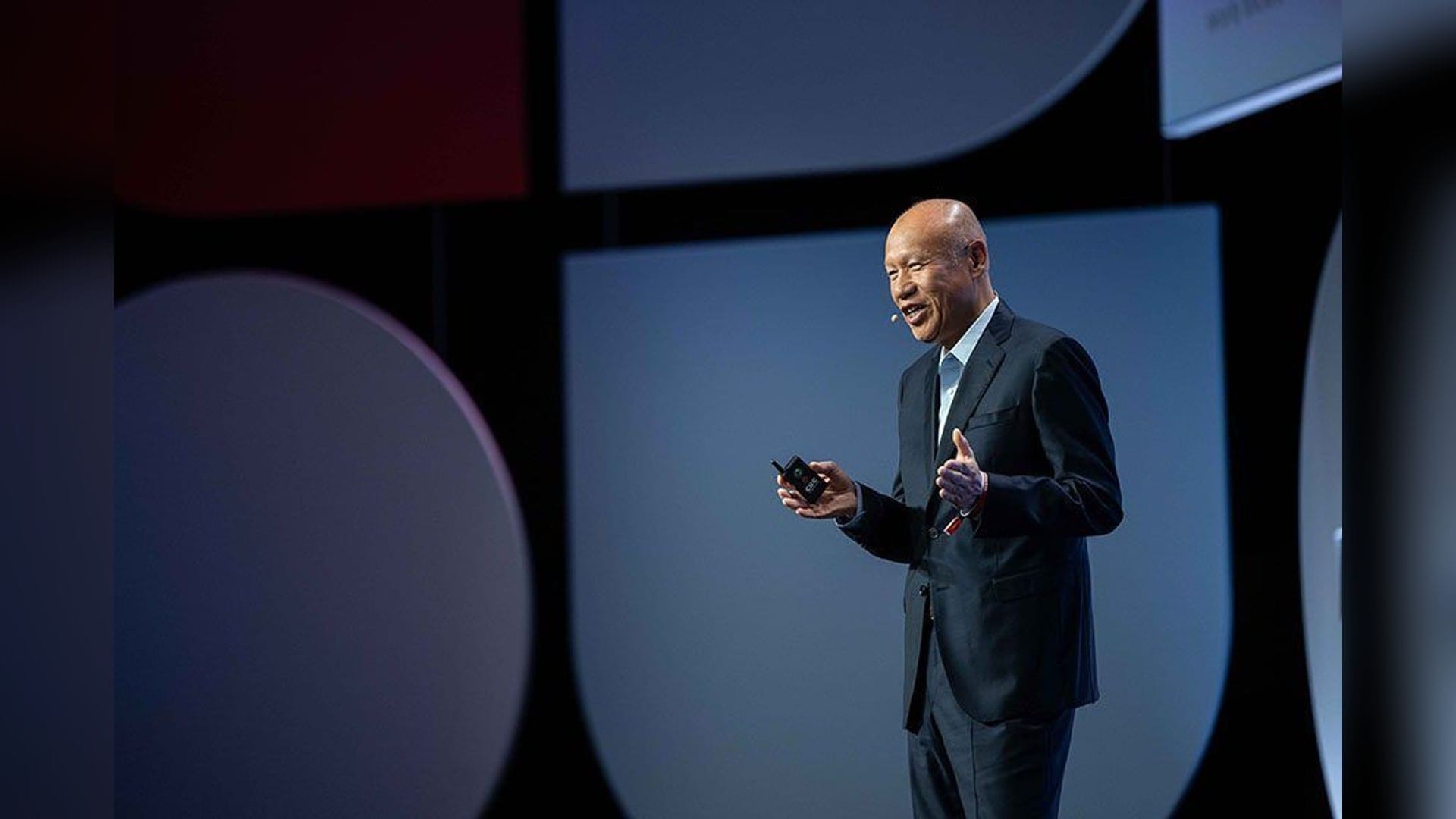
Shlomi Ben Haim, co-founder and chief executive of JFrog
1 / 6Slide 1 of 6
Shlomi Ben Haim, co-founder and CEO of JFrog, whose security research lab published three AI-tooling threats in one week.

Three JFrog+0.98% — JFrog, up 0.98 percent today research finds in one week all sit on the same surface: the tooling developers now run AI with. Malicious LiteLLM 1.107.0 wheels on PyPI ran at Python startup and stole AI provider credentials, GitHub−0.80% — GitHub, down 0.80 percent today tokens and cloud keys 1. Forty-two hijacked GitHub repositories hid a 13 MB payload wired to fire the moment a developer opens a project in Claude, Gemini, Cursor or VS Code 23.

And Brotli2Shell, a CVSS 9.2 flaw in Google's Brotli decoder, is under active exploitation and forced emergency patches across Node.js, .NET and Python 45. The chain is clear: AI coding tools expanded what a developer's machine trusts, and attackers followed. Enterprises that put models and AI agents into their build pipelines now need to scan skills, plugins, MCP servers and AI packages the way they scan code. JFrog's lab finds these threats, and its AI Security product just extended scanning onto developer workstations, with customers running AI asset scans on their own model keys 6.

The market has priced the fear

KeyBanc reiterated JFrog Overweight on October 27, citing security demand, and the stock has returned roughly 61% this year against the S&P 500's 13.5% 7. JFrog's security core and cloud revenue drove its fiscal Q2 beat, with cloud revenue up 53% year on year 8.

JFrog has returned 60.8% this year, triple the S&P 500

+0% YTD+20% YTD+40% YTD+60% YTD+80% YTDJFrog (FROG)+60.8% YTDQQQ+17.7% YTDS&P 500+13.5% YTD
Data
Value
JFrog (FROG)+60.8% YTD
QQQ+17.7% YTD
S&P 500+13.5% YTD
2026 year-to-date total return through October 26, 2026, per Trefis. Sources: Trefis, October 27, 2026.8

The November print is the test

Management guides November revenue to $164 million to $166 million, about 20% growth, down from 28.7% in fiscal Q2, and keeps forecasts cautious on usage above customers' contractual commitments 8. The finds published this week are exactly what the newest product line scans for. The November report is the first test of whether the lab's fear converts into bookings, or only into followers.

The growth engine slows: cloud 53%, total 28.7%, the November guide about 20%

  • Year-on-year growth
  • Estimate
+0%+20%+40%+60%Fiscal Q2 2026 cloud revenueFiscal Q2 2026 total revenueNovember guide, total revenue+28.7%
Data
Year-on-year growth
Fiscal Q2 2026 cloud revenue+53%
Fiscal Q2 2026 total revenue+28.7%
November guide, total revenue (estimate)+20%
Year-on-year growth rates. Cloud and total figures are fiscal Q2 2026 results; the November guide is management's forecast of $164 million to $166 million, about 20% growth. Sources: Trefis, October 27, 2026.8

For teams, the takeaway stands on its own: verify the wheel you install, not just the source, and treat AI tool config files as attack surface. Start there, and learn what your own AI stack actually trusts.

Get Security by email, free

The breaches, flaws and security vendors AI is putting to the test. In our daily email, every weekday.

Loading FROG

Reader comments

0 comments

    More in Security

    All in this topic →

    Security

    Cloudflare's own disclosure: 155 GLM-5.3 responses leaked other customers' data, and Z.AI's name travels

    Cloudflare disclosed that 155 GLM-5.3 responses leaked other customers' data, and the fault was Cloudflare's configuration and SGLang's engine, not the Chinese lab whose name sits in the model ID. Z.AI's shareholders wear the headline anyway.

    Security

    Two firewall vendors patch in parallel while attackers already hold the keys

    Palo Alto Networks traded up 3.24% on its no-exploitation reassurance the same weekend it confirmed a second critical PAN-OS flaw, and Fortinet reports Oct 28 with patch details withheld until November. Meanwhile Group-IB researchers have the receipts: attackers already used both vendors' devices to harvest 70,000 credentials.

    Security

    Cellebrite cut off Serbia in 2025. The labs say its tools ran through the 2026 election anyway

    Cellebrite publicly cut off Serbia in February 2025. Three forensic labs say its extraction tools were used there anyway, into 2026, and the repetition after an earlier cutoff in Russia reads as a claim about the business model, not one bad customer.

    Security

    Check Point rents its firewall monthly from November 1 and reports earnings November 2

    Firewall-as-a-Subscription turns the Israeli vendor's appliance-and-license business into a three-year monthly fee aimed at buyers whose security budgets froze. The quarterly report due one day after launch, which analysts expect to shrink, is the first test of what the model does to revenue.

    Security

    GitLab's four CVEs got fixed twice: by Ruby, and by a free AI agent

    Ruby patched the engine bugs behind GitLab's four critical CVEs on October 23 but declined to issue its own CVE IDs, leaving scanners blind to unpatched Ruby runtimes, and Cognition shipped a free agent skill that patches GitLab for anyone running Devin, Claude Code or Cursor. The question for GTLB holders: what is left to pay for.

    Security

    Palo Alto rallies on the bug inside its own firewall before the fix exists

    Palo Alto confirmed on October 24 that both AI-found PHP2Shell flaws run inside its own firewalls, with hotfixes only scheduled, while the stock had already rallied 7.22% on a survey calling the bug a spending catalyst. The price is paying for a forecast before the fix exists.

    Get the newsletter

    The day's AI and market news, in your inbox every weekday.