Judge Freezes Jacobs' $700 Million Milwaukee Sewer Contract
The incumbent Veolia sued to stop the award it lost on price, and a new audit of its own tenure strengthens the buyer's case while exposing the district's weak oversight. Jacobs reports earnings on November 23 with the contract still frozen.
 Richard Tangthree-minute read
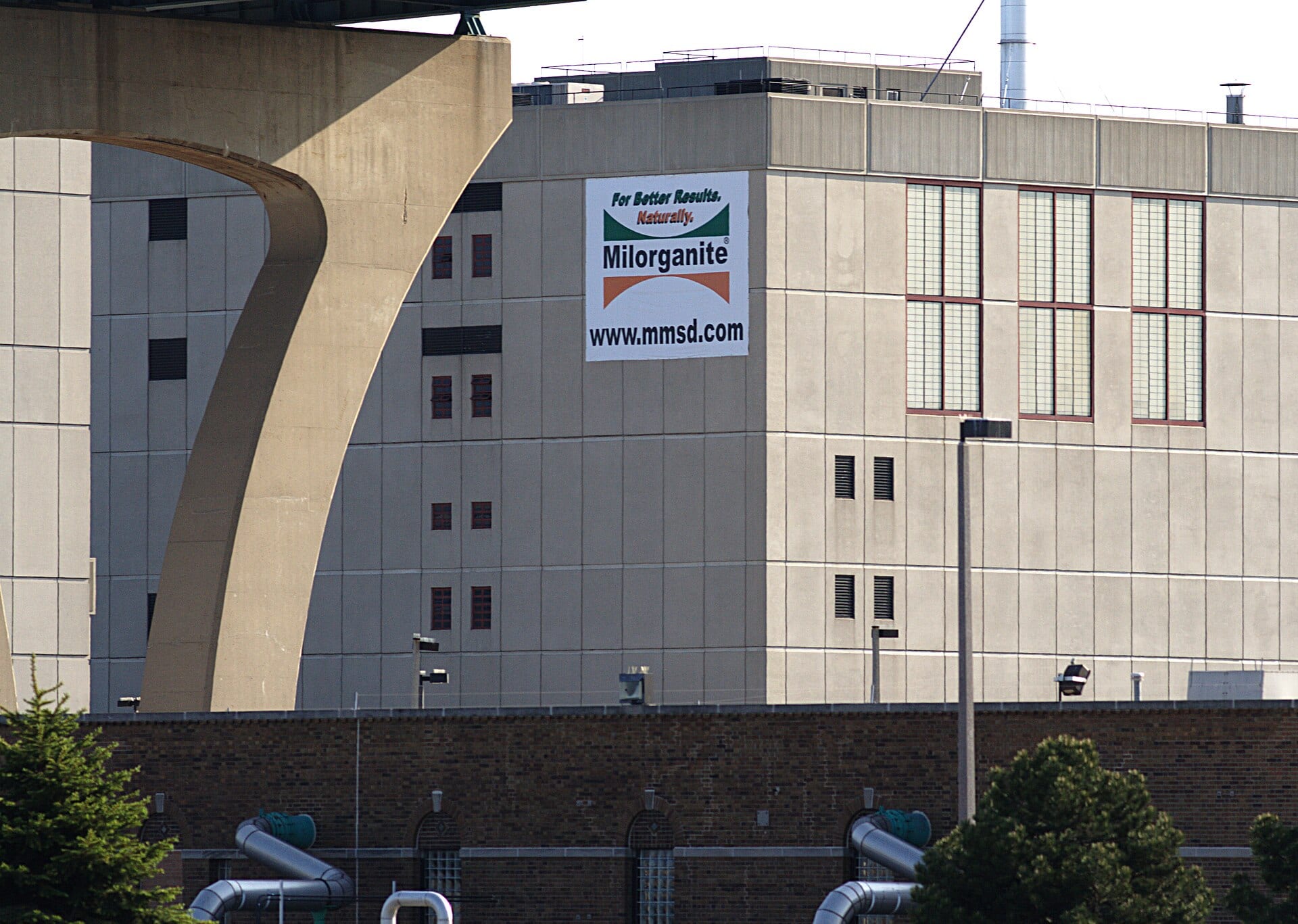
A federal judge has paused the $700 million, 10-year contract the Milwaukee Metropolitan Sewerage District awarded to Jacobs Solutions+0.46% — Jacobs Solutions, up 0.46 percent as of its last quote on September 28, holding it unsigned until Veolia's lawsuit is resolved 1. Veolia Milwaukee, the incumbent operator of the district's wastewater system since 2008, sued in September alleging the two-year procurement was written to hand Jacobs the work 1. What a court does with this award will shape whether Jacobs, an engineering firm trying to move into long-dated public-sector operations, can win more of that work at all.
The scorecard is the district's defense
The district's answer is its scoring rubric: an ad hoc committee weighted price at 60% of the decision, with 25% for overall approach, 10% for staffing and culture, and 5% for regional partnership, and scored Jacobs 96.8 to Veolia's 84.9 1.
Price carried 60% of the district's scoring rubric
Three-fifths of the decision was price, and Jacobs bid $54 million lower
Data
| Value | |
|---|---|
| Pricing | 60% |
| Approach | 25% |
| Staffing, training, culture | 10% |
| Regional partnership | 5% |
Jacobs bid $54 million lower, and in one sewer-cleaning category proposed $5.54 per linear foot against Veolia's $54; the district says it checked those rates against recent bids for similar work and found them reasonable 1. Wisconsin law gives a losing bidder no damages, so Veolia's only lever is to block the signature before the March 2028 start, which Judge Brett Ludwig has done 1.
The Palantir clause inside the bid
Jacobs initially proposed running the plants on Palantir's+0.18% — Palantir, up 0.18 percent today software, then removed Palantir from the bid after community groups objected to Palantir's work with US Immigration and Customs Enforcement 1. For any contractor selling AI-enabled operations to local government, the bid itself is where that supply chain gets tested.
The audit cuts against the incumbent
An independent audit released this week, ordered after whistleblower complaints, found Veolia only partially compliant: chronically understaffed, with maintenance and record-keeping weaknesses, though no falsified records and eight years of permit compliance 3. It also found the district itself only partially monitored Veolia's compliance, so whoever inherits the contract inherits an enforcement problem the buyer caused 4. About 95% of the audit's 64 recommendations are fully or partly built into the new Jacobs contract, which weakens Veolia's bias claim and its record at once 3.
On the money: at roughly $70 million a year the contract barely moves Jacobs' revenue against fiscal 2026 consensus near $9.55 billion, so the risk is reputational, not financial 2. Watch the November 23 earnings call, the first since the freeze, for what management says about public-sector operations work 2.
What this means for the operator model
Outsourced operation of essential infrastructure lives or dies on the buyer's ability to enforce the contract, and this audit shows what thin enforcement produces: an incumbent that underperforms for years and a replacement bid that wins mostly on price. If Jacobs takes over in March 2028 as planned, it wins not on proven operations ability but on aggressive pricing 1. That is the gap to close, and the district's 64 recommendations are the checklist for closing it 3.
Get Deals by email, free
The acquisitions, rounds and contracts that move AI money. In our daily email, every weekday.