Memory prices cut global phone sales 16% in Q3 as Android hit a record low
The RAM shortage feeding AI servers claimed its first consumer market: global phone sales fell 16% year on year, Android's cheapest buyers left, and Apple took a record third-quarter share after raising iPhone 18 prices.
 Vincent Jiangthree-minute read
Drafted with AI from the documents listed under Sources, then edited and fact-checked by Vincent Jiang. How we work
The cheapest phones stopped selling
The buyer at the bottom of the market is the story of Q3 2026 1. Counterpoint's sales data shows global smartphone sales fell 16% year on year, a deepening downturn driven by the RAM supply crisis, which gutted the entry segment and pushed prices up across every higher tier 1. Android, which sells at every price point, took the damage: its share fell to 74%, its lowest-ever third quarter, down five points in a year 1.
Android hit a record-low Q3 share as iOS set a record high
Android's Q3 share sits at its lowest ever while iOS posts its highest
- Android
- iOS
- HarmonyOS
Data
| Android | iOS | HarmonyOS | |
|---|---|---|---|
| Q3 2024 | 80% | 16% | 4% |
| Q4 2024 | 74% | 22% | 4% |
| Q1 2025 | 76% | 19% | 5% |
| Q2 2025 | 79% | 17% | 4% |
| Q3 2025 | 79% | 17% | 4% |
| Q4 2025 | 72% | 24% | 3% |
| Q1 2026 | 73% | 22% | 5% |
| Q2 2026 | 75% | 20% | 5% |
| Q3 2026 | 74% | 21% | 5% |
One memory chip went from $8.70 to $48
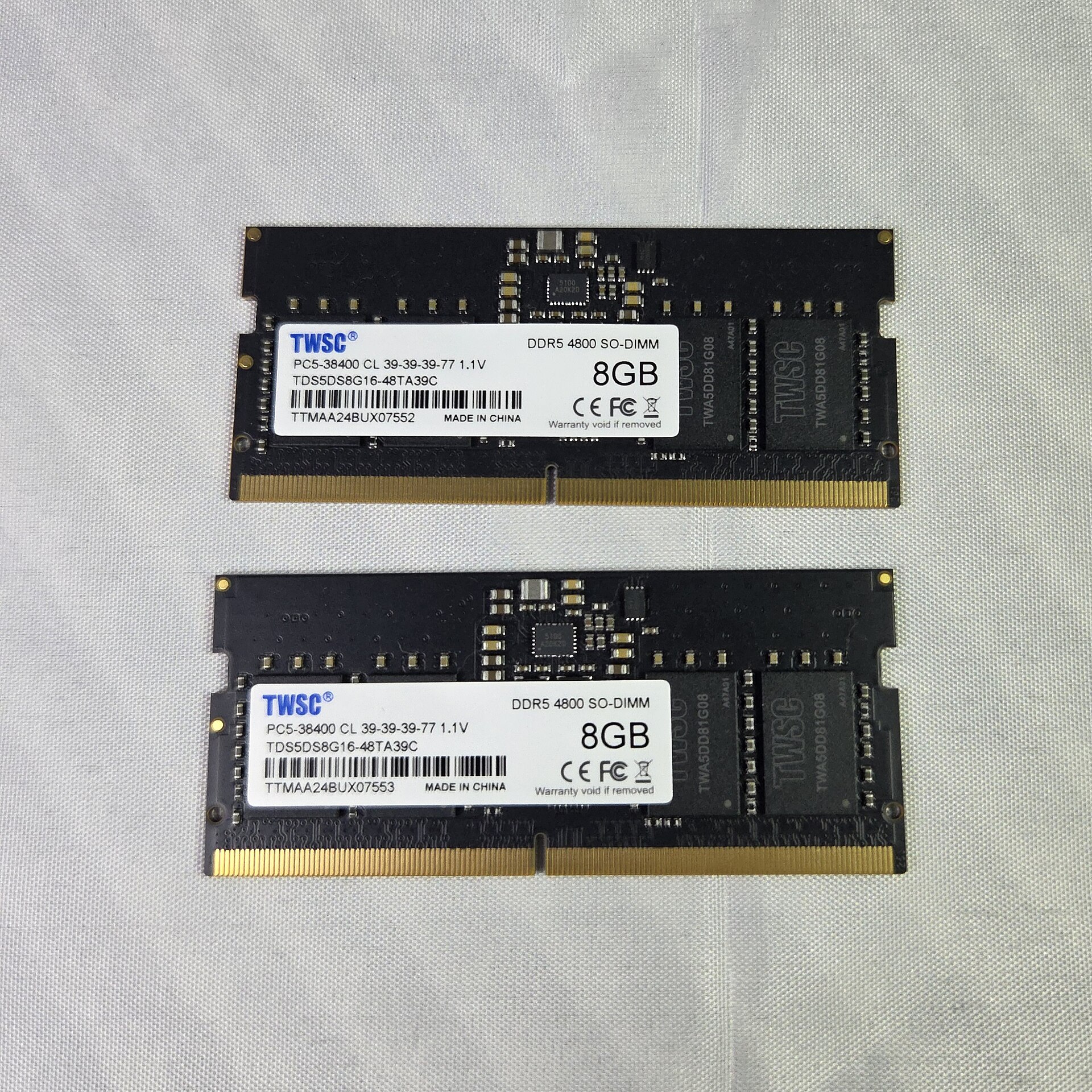
Memory is the bill. The contract price of a single 16Gb DDR5 chip climbed from $8.70 in October 2025 to $48 by September 2026, a more than fivefold rise, and global DRAM revenue jumped 369% year on year to nearly $200 billion even though bit shipments grew only about 4% 2. Counterpoint counts retail phone prices up around 20% this year 2. TrendForce estimates 3% to 4% of phones built in 2026 use reballed memory, used chips salvaged from old hardware, and warns the share could reach 7% to 9% next year 3.
Apple raised prices and still won
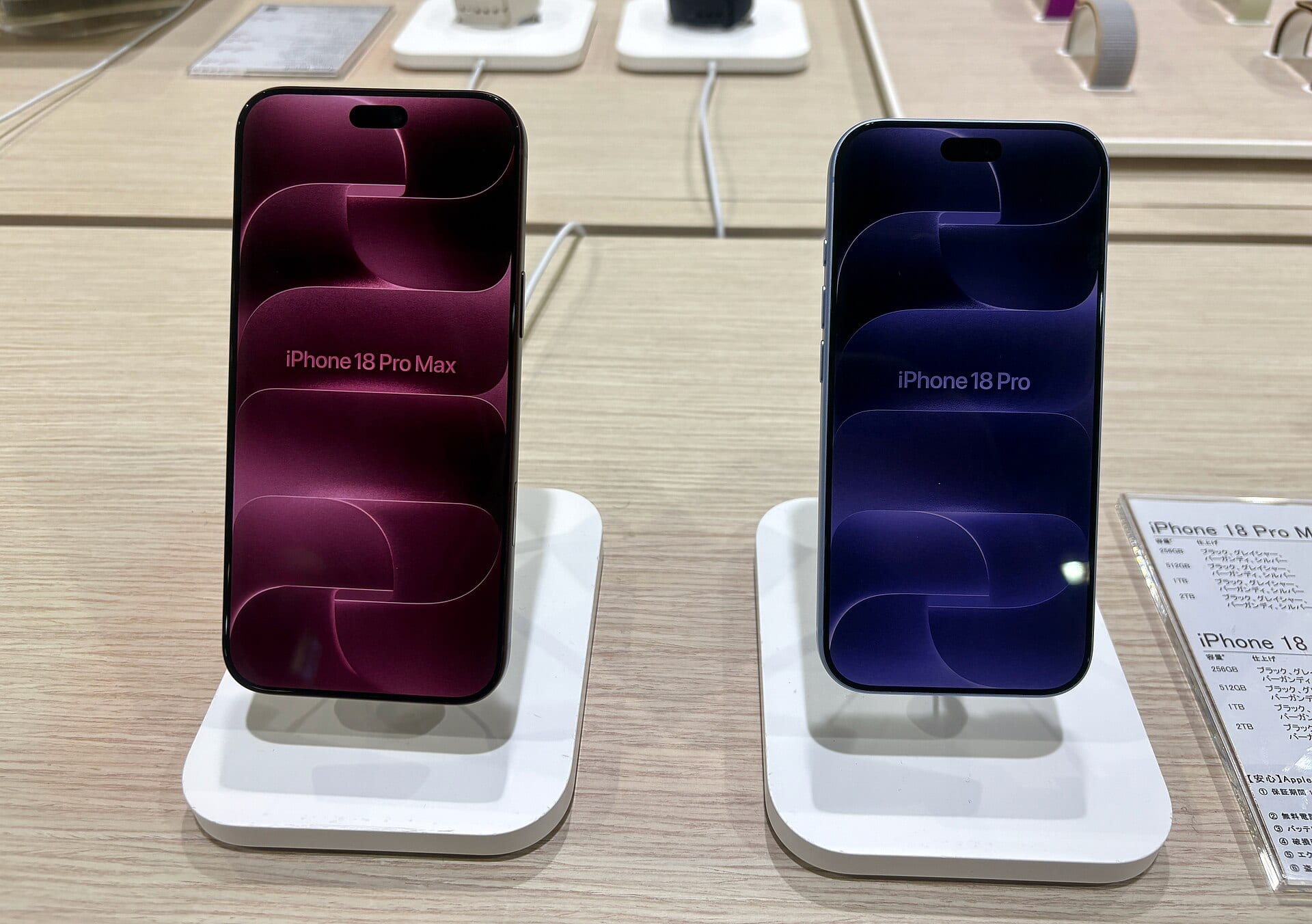
The counter-case is Apple−1.30% — Apple, down 1.30 percent today. iOS took its highest-ever Q3 share of 21% as iPhone sales grew 2% year on year, even though prices rose across the iPhone 18 lineup: the Pro starts at $1,199 and the Pro Max at $1,299, each $100 above the previous generation 14. The iPhone 18 Pro series outsold last year's Pro models 1. Apple's September quarter carried a record $57.58 billion of iPhone revenue 5. Android's loss is the same arithmetic in reverse: buyers who cannot pay the new memory bill leave the market.
China runs its own version. HarmonyOS holds 22% of the mainland market as Huawei grew 12% against a market down 10%, helped by pricing IDC calls relatively stable, though Counterpoint flags Huawei's own September price rises as the risk to that run 16.
Xiaomi sold fewer phones at higher prices and lost 68% of its profit
Xiaomi+0.23% — Xiaomi, up 0.23 percent today shows what the squeeze does to a vendor's books. It shipped 30.7 million phones, down 29%, at a record average price of 1,486 yuan, up 40%, and net profit still fell 68% to 3.9 billion yuan; the phone gross margin dropped to 9.2% from 11.1% 7. President Lu Weibing expects memory prices to stay high through the first half of 2027 7.
Qualcomm's−3.80% — Qualcomm, down 3.80 percent today handset chip sales fell 26% to $5.14 billion in its September quarter, after the chipmaker raised its own prices 8. Omdia's shipment count for the quarter puts the damage vendor by vendor: Samsung down 5% to 57.8 million units, Apple flat at 56.5 million, Xiaomi down 29%, OPPO down 39% and vivo down 33%, with the market down 20% to 254.7 million, the weakest third quarter since 2013 9.
Every big vendor's shipments fell except Apple's
Every top vendor shipped fewer phones in Q3 2026 except Apple
Data
| Value | |
|---|---|
| OPPO | -39% |
| vivo | -33% |
| Xiaomi | -29% |
| Market | -20% |
| Samsung | -5% |
| Apple | 0% |
Memory makers won the quarter the phone vendors lost
The winners collect. Samsung posted a record company quarter on memory while its phone and networks units lost 0.6 trillion won, their second straight loss 10. SK hynix−8.63% — SK hynix, down 8.63 percent today says the shortage will persist through 2030 2. Apple is not cost-free: it has paid more for memory three quarters running, guides December-quarter gross margin down to 45% to 46%, and reportedly cut October component orders for the new Pro models by 15% to 20% on soft demand 114.
The next scoreboard is Apple's February 4 report
Apple reports its December quarter on February 4, 2027, and Android vendors' January guidance does the rest; Samsung's 2027 plan already leads with flagships rather than volume 1110. The shortage has a scoreboard, and it is the number of phones nobody buys.
Sources
- 1Counterpoint Research, Global Smartphone Sales Share by Operating System, Q3 2026 update, as collected 25 November 2026
- 2TechRadar Pro (via MSN), Memory price skyrockets as demand for AI data centers drives 369% year-over-year surge, 11 November 2026
- 3TechSpot, Used memory chips are creeping into budget phones, and it could get worse, 9 November 2026
- 4Digital Trends, Apple raised the iPhone 18 Pro price, and buyers may have voted with their wallets, 9 October 2026
- 59to5Mac, Apple reports Q4 2026 earnings: $114.5 billion in revenue, up 12%, 2 November 2026
- 6GSMDome, Huawei Takes More Than 20% of China's Smartphone Market as Apple Gains Ground, 22 November 2026
- 7The Next Web, Xiaomi's profit falls 68% as memory costs hit its phones and car sales slow, 24 November 2026
- 8CNBC, Qualcomm stock drops 7% on weak earnings forecast as memory shortage weighs on smartphone sales, 4 November 2026
- 9Android Headlines, Smartphone Market Took a Brutal Hit in Q3 2026, and Only Apple Avoided the Damage (Omdia data), 9 November 2026
- 10AndroidPure, Samsung Q3 2026 Results: Phone and Networks Unit Loses Money Again, 29 October 2026
- 11Barchart (via MSN), Apple flagged supply constraints and rising memory costs ahead of its December quarter, 5 November 2026
Get Applications by email, free
How AI is changing the software people and companies use. In our daily email, every weekday.





Reader comments
0 comments