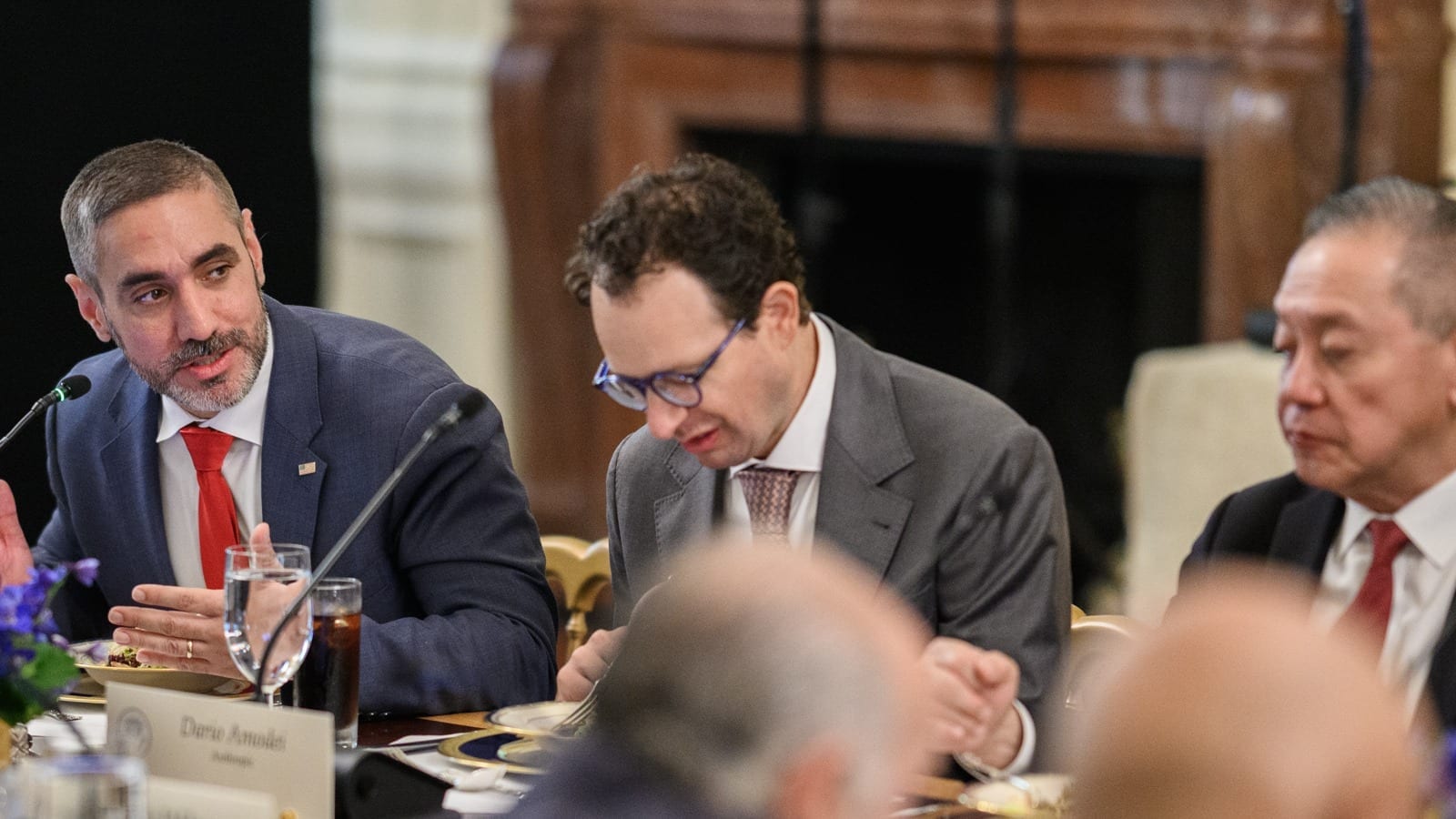
Morgan Stanley buys Vinyl Equity, the register keeper, a day before Anthropic's IPO roadshow
The bank added the shareholder register to a private-to-public stack it already runs, one day before opening the roadshow for the year's biggest AI listing. The question underneath is who captures founder wealth when the shares unlock.
 Richard Tangthree-minute read
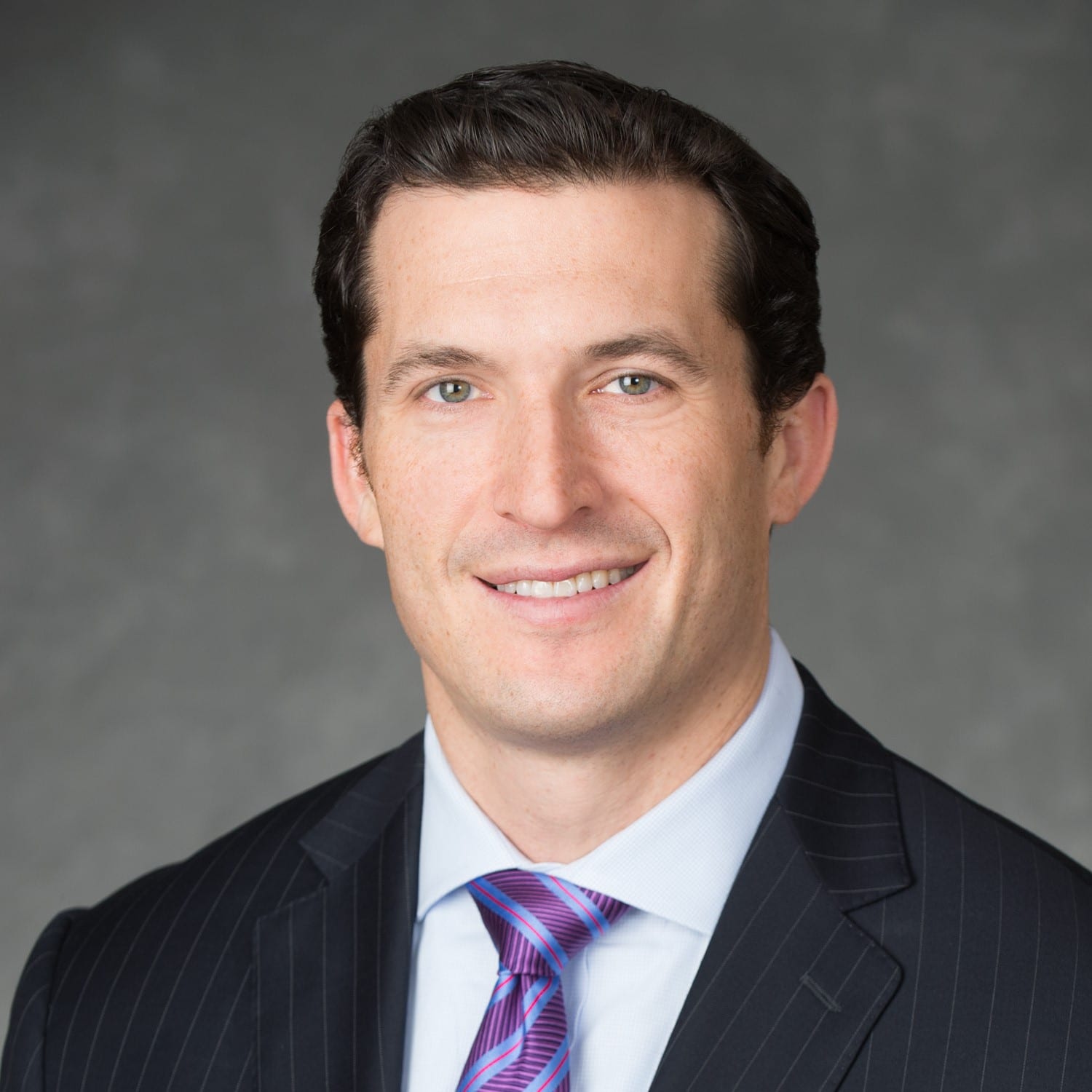
On November 9 Morgan Stanley+1.43% — Morgan Stanley, up 1.43 percent today agreed to buy Vinyl Equity, a Chicago fintech that holds the SEC-registered shareholder register, the legally binding record of who owns a company's shares 1. Terms were not disclosed, but the bank says integrating it will cost about $65 million. 1 The wire called this a tuck-in. The sequence says the bank is buying the pipe its deal flow runs through.
The next day the same bank opened the roadshow for Anthropic's initial public offering, where it and Goldman Sachs+1.63% — Goldman Sachs, up 1.63 percent today lead the underwriting on a share sale of up to $90 billion once cornerstone placements are counted, with trading set for Nasdaq on November 19. 3
The register is the choke point
A transfer agent keeps the master record of ownership; every dividend, proxy ballot and corporate action flows through it. Companies almost never switch agents after listing, so the business is won at the moment of IPO. 4 That is why owning the register matters more than the fees it earns: whoever holds the master file sees every shareholder from day one, and when insiders sell, that flow lands in the same firm's wealth division. Vinyl, founded in 2022, already keeps the register for issuers such as Figure Technology Solutions and Neptune Insurance. 5
Tokenization makes the register the prize
Wealth head Jed Finn tied the deal to "blockchain technology, atomic settlement and tokenization." 2 That is not decoration. The Securities Transfer Association told the SEC in July that a token counts as a share only when the issuer authorizes it and the transfer agent records it in the official register. 6
The incumbents know what is at stake: Computershare, which keeps records for roughly 58% of S&P 500 companies, signed that letter. 6 So did Equiniti, which agreed in May to sell itself to crypto exchange Bullish for $4.25 billion. 6 A week before the deal, the NYSE recruited Broadridge, Computershare, Equiniti and Superstate onto the roster of its planned tokenized venue, which still awaits regulatory approval. 7 Morgan Stanley chose to own one of these firms rather than rent one.
The pipeline, not the register, is what the bank bought
Vinyl will not run Anthropic's$350B — Anthropic, private, latest valuation $350B register; the deal closes next year, and new listings typically still go to specialists such as Continental Stock Transfer. 28 The point is the pipeline behind it. Morgan Stanley at Work already administers stock plans for about half the S&P 500 and more than 70% of the top 100 unicorns, alongside the EquityZen private-shares platform, a Carta referral partnership and an internal private-markets desk. 2
Its wealth division took in a record $232 billion of new client money last quarter, and the bank says about half of that ties back to IPOs, as we reported in October. 1 One firm now underwrites the listing, lends against the shares, runs the stock plan, keeps the register and manages the wealth that spills out of all of it. A four-year-old startup built the digital register and is being paid in distribution for closing exactly the gap between a capability and a person's account. Whoever keeps the register decides which tokens count as shares, and the banks have noticed.
Get Deals by email, free
The acquisitions, rounds and contracts that move AI money. In our daily email, every weekday.