Novo Nordisk pays Hengrui up to $2.6 billion for an unproven pill, and its buyback ran 11% above the market
Novo Nordisk licensed a Phase I-ready Chinese obesity pill for up to $2.6 billion the same week its 6-K showed a DKK 10.25 billion buyback that ran about 11% above the stock's latest prints. The pipeline is rented, the manufacturing is being outsourced, and the shareholder is paying for all three.
 Vincent Jiang · 2 min read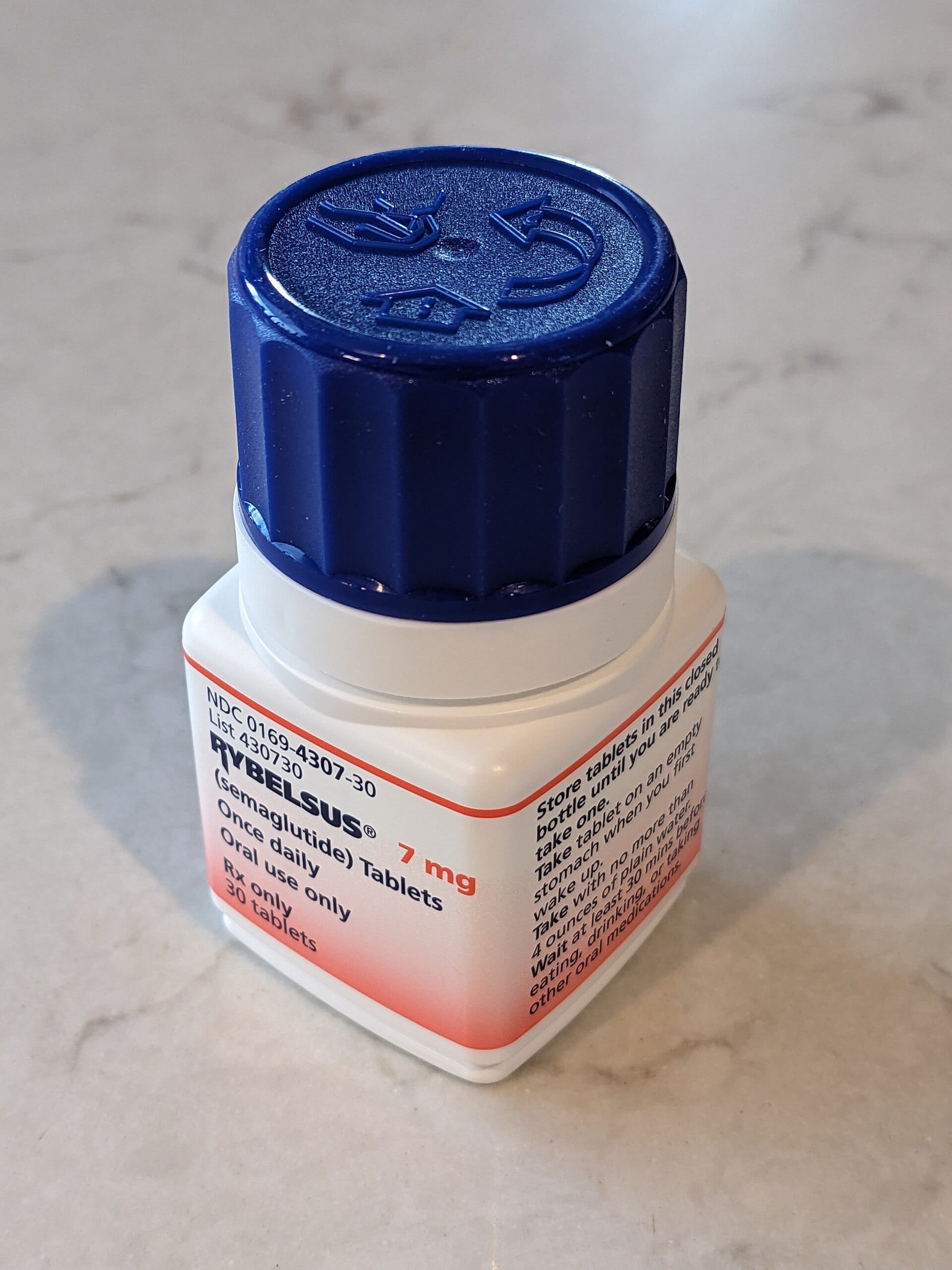
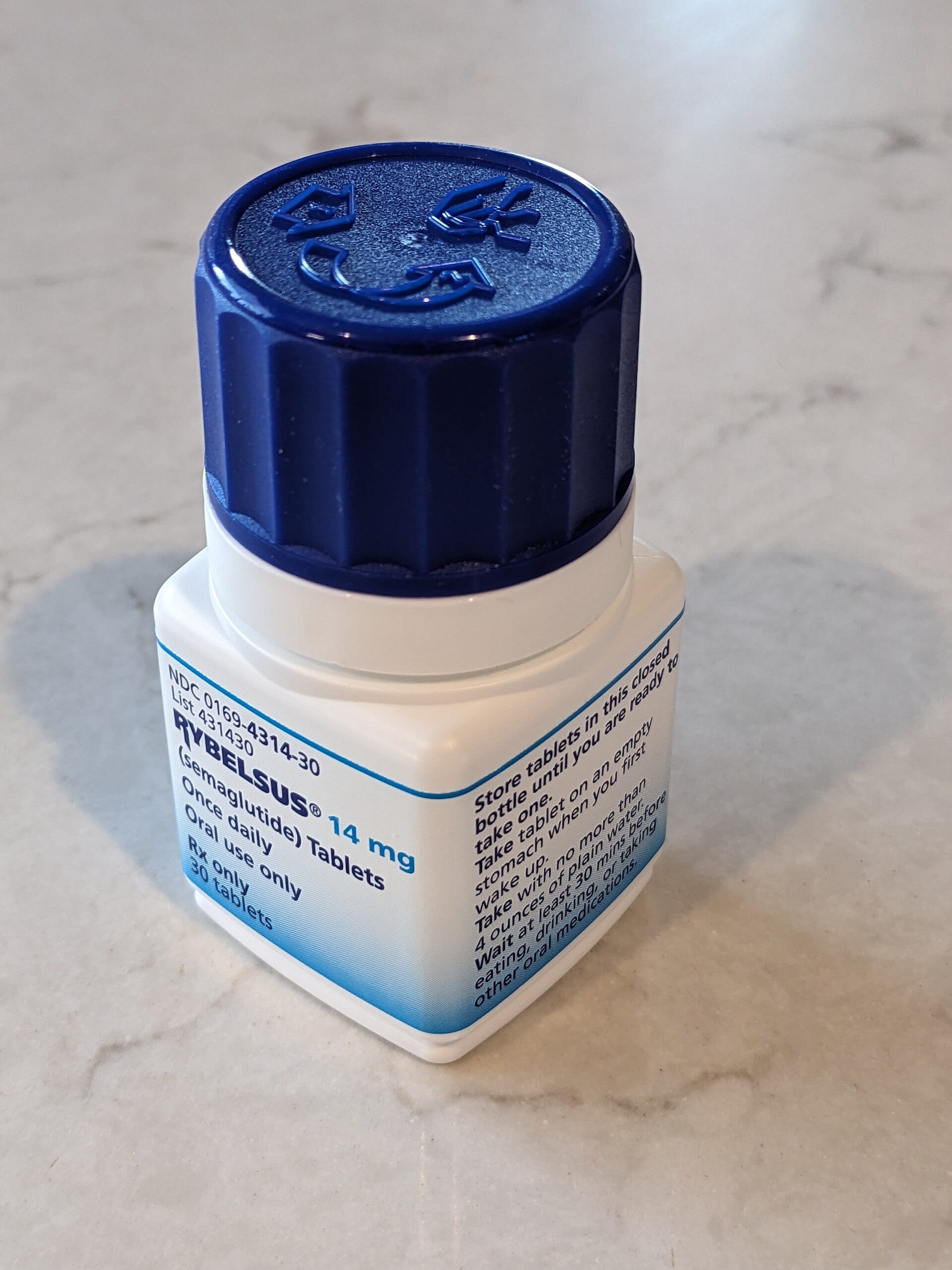
Novo Nordisk paid China's Hengrui Pharma $300 million upfront, with up to $2.3 billion more in milestones, for HRS-1596, a GLP-1/GIP obesity pill that is Phase I-ready but unproven in humans. The deal extends a licensing spree Chemistry World tallies at more than £4 billion, struck as semaglutide patents have already lapsed in India, Brazil and Canada and as the US exclusivity clock runs to 2032 157. Novo's chief scientist Martin Holst Lange says Novo "has pioneered the field of oral peptides" and is advancing its oral pipeline through external innovation 1.
Who is buying other people's pipelines: Novo's spree next to Hengrui's other buyers
Data
| Value | |
|---|---|
| Hengrui to BMS | $15.2B |
| Hengrui to Hercules | $6B |
| Hengrui to Novo | $2.6B |
| Orbis to Novo | $1.4B |
| Nanexa to Novo | $1.3B |
The structure tells the story: $2.3 billion of the $2.6 billion headline is contingent on development, regulatory and commercial milestones that an unproven molecule may never earn, with royalties on top 1. Hengrui collects either way. It has sold the same style of paper to BMS (up to $15.2 billion across 13 programs), GSK (up to 12 medicines) and Hercules (up to $6 billion) 1. The pipeline Novo now rents suggests it can no longer build fast enough alone; CEO Mike Doustdar named the pressure at September's Capital Markets Day, calling semaglutide's 2032 US loss of exclusivity "the elephant in the room" 7.
Shareholders fund three strategies at once
Investors have marked the plan down: the stock fell 7.7% on Capital Markets Day, is down about 35% over a year in New York, and trades more than 70% below its peak 786. Meanwhile Novo's 6-K shows the buyback desk at work: DKK 10.25 billion repurchased since February at an average DKK 279.95 per share, against daily prints of DKK 248.77 to DKK 253.30 in the latest tranche. The program has been buying about 11% above where the stock now trades, though the most recent purchases cleared at market 3.
The manufacturing pivot opens another door
At the Capital Markets Day, Novo said it will use contract manufacturers for peptide API synthesis, which Macquarie calls a significant shift in Novo's long-standing vertically integrated model 2. Macquarie estimates oral formulations can raise API needs per patient by about 73 times as Novo targets 15 million oral Wegovy patients by 2030, up from 1.5 million. Its top Indian pick is Divi's Laboratories, with WuXi AppTec and Samsung Biologics also rated Outperform 2.
Risk sits in one place
The denecimig filing shows where execution risk lives: the FDA extended the haemophilia drug's review over facility remediation with no new timeline, though no clinical deficiencies were found 4. Investors fund the buyback, the upfronts and the CDMO transition together, and none of the licensed molecules has yet proved itself. Hengrui's position is the cleaner bet on paper: Novo pays, whichever pill wins.
Deepdive
AI-generated from this story and its cited sources. Not investment advice.