Omron agreed to pay $675 million for OnLogic, about 25 times adjusted EBITDA, to add factory-floor AI compute
Japan's Omron has agreed to buy OnLogic, a Vermont maker of rugged industrial computers, for $675 million in cash, days after selling its components business. The multiple is the news: it puts a hard price on the compute physical AI runs on.
 Richard Tang · 3 min read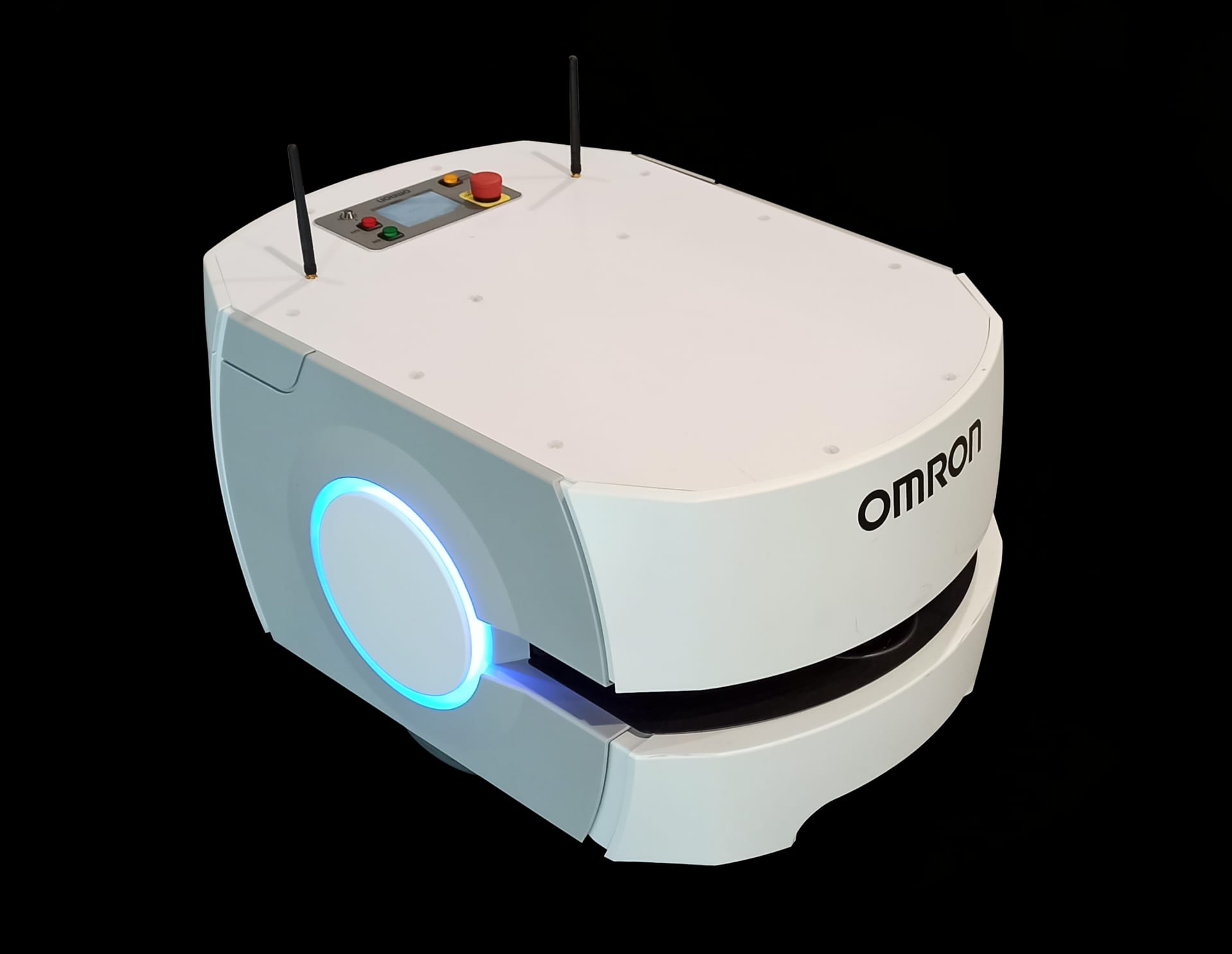
Omron+1.61% — Omron, up 1.61 percent today, the Kyoto automation group, has agreed to pay $675 million in cash for OnLogic and its Vermont parent Interlogic, with closing planned for around January 2027 and the bill funded mainly from cash on hand 1. OnLogic builds rugged, configurable industrial computers, sold direct and built to order 1. On Omron's own disclosed numbers, the price is roughly 25 times OnLogic's adjusted EBITDA for last year, a measure Omron adjusted during due diligence for items it does not expect to repeat 1. Omron itself calls the deal's effect on results through March 2027 immaterial 1.
Omron's shares were roughly flat on announcement morning in Tokyo while the Nikkei 225 fell about 2.2 percent 2. The stock had already climbed 64 percent this year on the physical-AI story 3. Investors had priced the story first; what they had not seen was what Omron would pay to build it.
A $154 million business, bought for $675 million
- Net sales
- Adjusted EBITDA
Data
| Net sales | Adjusted EBITDA | |
|---|---|---|
| FY2023 | $129.6 | $20.6 |
| FY2024 | $122.3 | $16.1 |
| FY2025 | $154.2 | $27.1 |
Physical AI still needs a computer sitting next to the machines
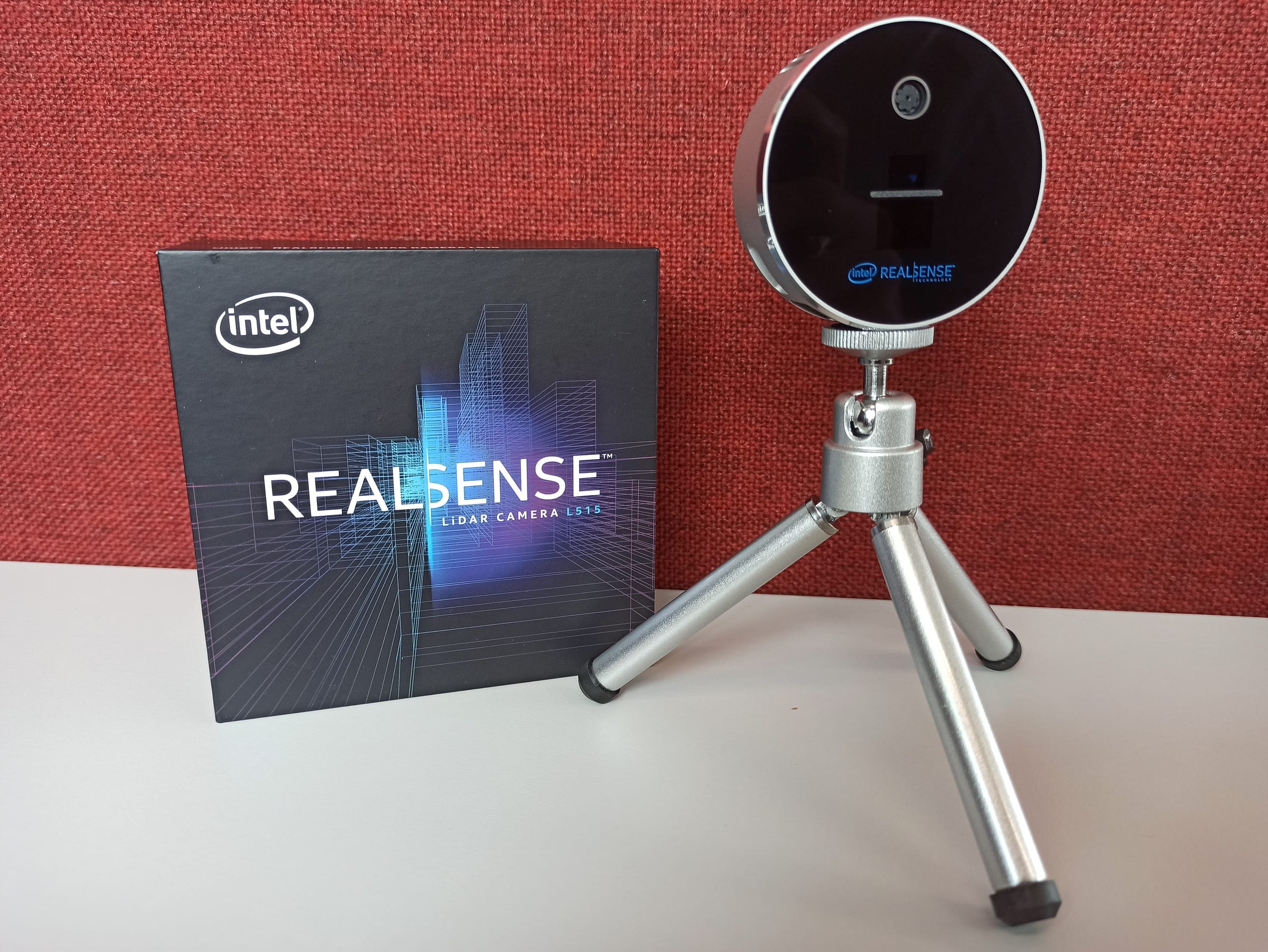
Physical AI combines artificial intelligence, sensors and robotics so machines work autonomously in the real world 4. Models get the attention, but a production line needs a computer nearby that survives the floor. OnLogic says some of its systems have run non-stop for more than ten years, resisting extreme temperatures, variable power and vibration 5. Its homepage sells GPU-equipped systems pitched to "enable physical AI at the edge" 6.
The platform is a stated aim; the customer list is real
That box is OnLogic's whole business. Omron already makes the rest of the stack, the sensors, controllers and robots, and the stated plan is to fuse the two into next-generation physical-AI platforms 1. Those platforms exist so far only as a stated aim. What is real today is the customer list: around 2,000 North American manufacturers that Motohiro Yamanishi, an Omron managing executive officer, says would be "difficult to reach even after years of effort" 7.
The sellers are the founders Lisa and Roeland Groeneveld and 167 employee shareholders 1. The reward is landing on the people who did the unglamorous half of AI: making compute survive a factory floor.
The quieter reason is geography
More than 90 percent of OnLogic's sales come from the Americas and Europe 1. A headline on Nikkei's deal coverage says China's automation slump "lays bare Omron's dependence" on that market 8. OnLogic's customer map is half the purchase, and the industry is leaning the same way. Fanuc and Yaskawa, Omron's Japanese robot-making rivals, are shifting from China to the United States 4. Fanuc is investing $90 million in a Michigan plant 4. Yaskawa is building a Wisconsin factory for AI-equipped robots, and the pair's combined Americas sales have already overtaken China 4.
Cash on hand, days after an ¥81 billion sale
Omron has agreed to fund the purchase from cash on hand 1, days after completing the ¥81 billion sale of its components business to Carlyle, the US private-equity firm, on October 1, 2026 39. Compute that survives the factory floor is now priced as infrastructure, and the people who built that layer are the ones getting paid. What Omron ships after closing decides whether the multiple was a bargain.
Deepdive
AI-generated from this story and its cited sources. Not investment advice.