NXP's Industrial Business Just Matched Automotive's $209 Million Gain
Rafael Sotomayor calls NXP a physical AI company with automotive as its biggest market. The smaller industrial business just added the same $209 million in a quarter.
 Vincent Jiang · 2 min read
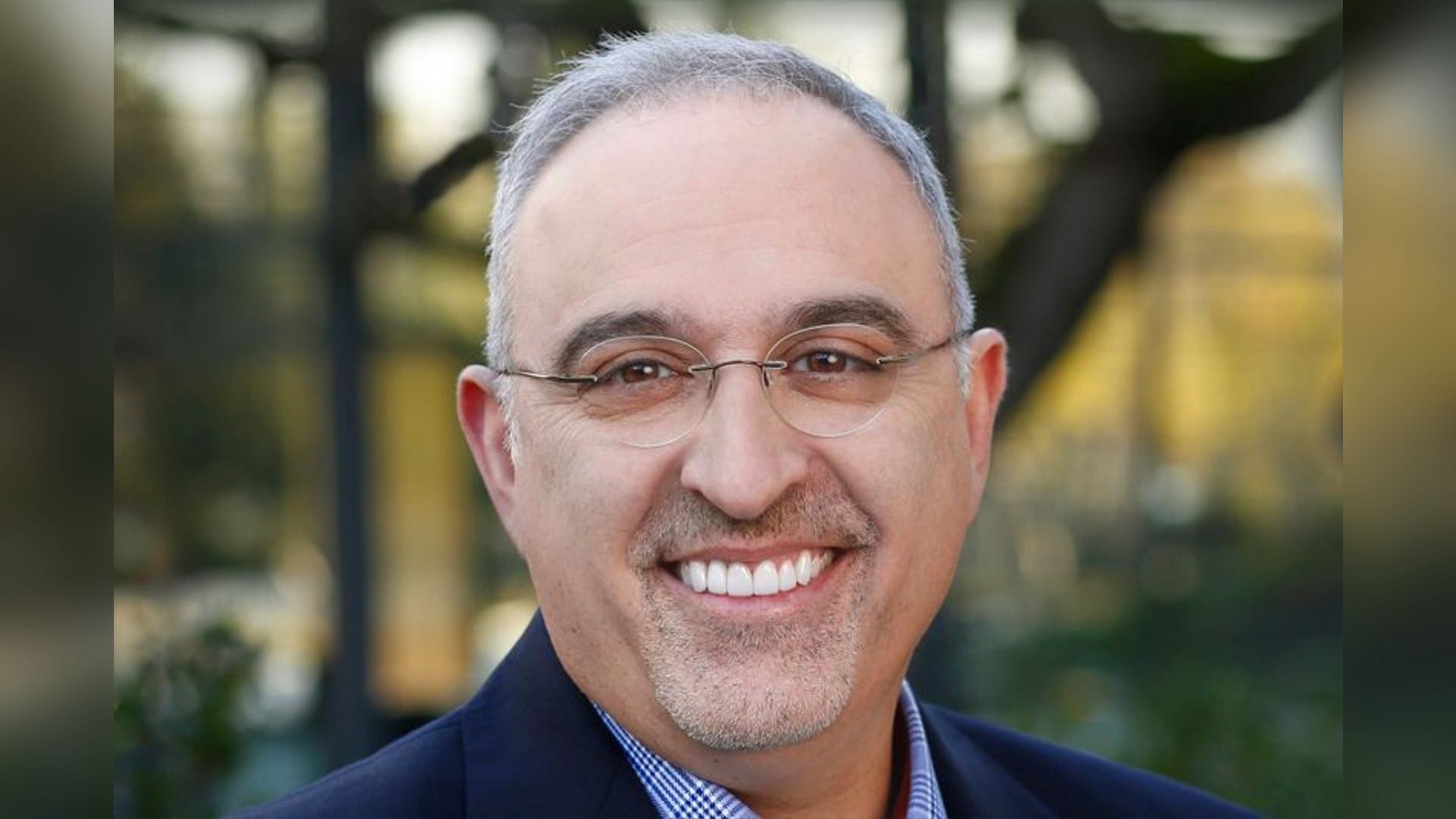
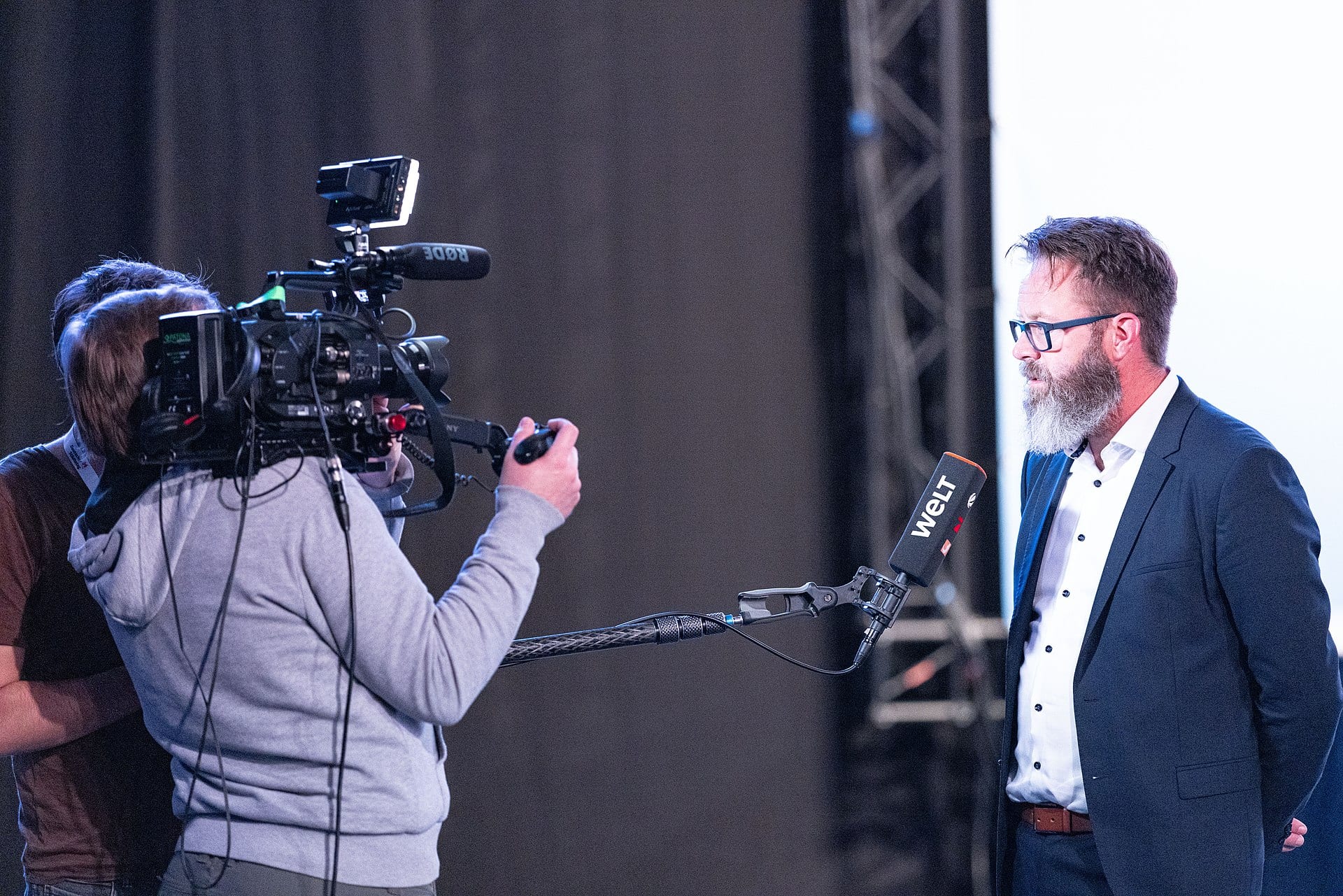
Rafael Sotomayor corrected the analyst who described his acquisitions as bets on cars.
The receipt behind the pivot
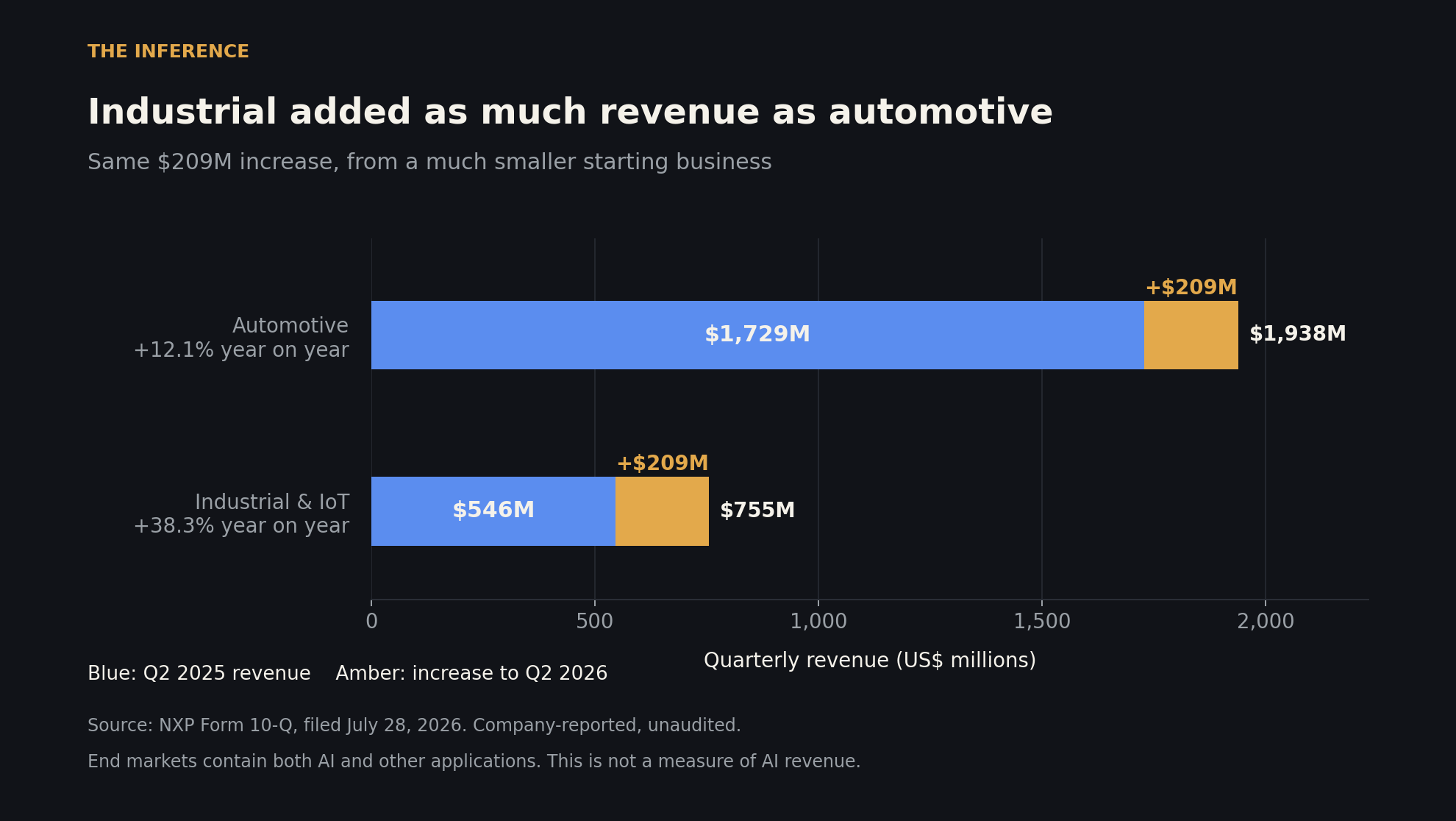
At Goldman Sachs'−3.64% — Goldman Sachs, down 3.64 percent today September 9 conference, NXP's−2.11% — NXP, down 2.11 percent today chief executive described a physical AI company with automotive as its biggest market. His smaller industrial business gives that argument a receipt: $209 million of additional second-quarter revenue versus a year earlier, exactly matching automotive's gain.1,2
Automotive still supplies 55% of quarterly sales. Its engineering expertise is the foundation of NXP's expansion. The commercial question is whether the company can sell more valuable combinations of processing, networking and control across more kinds of machines. A broader label only matters if it changes what customers buy.2
A surprising starting point
The surprise is the starting point: automotive was more than three times larger than Industrial & IoT a year earlier. These calculations use company-reported, unaudited figures for the quarter ended June 28. The comparison includes acquisitions and divestitures; it does not isolate organic growth or AI revenue.2
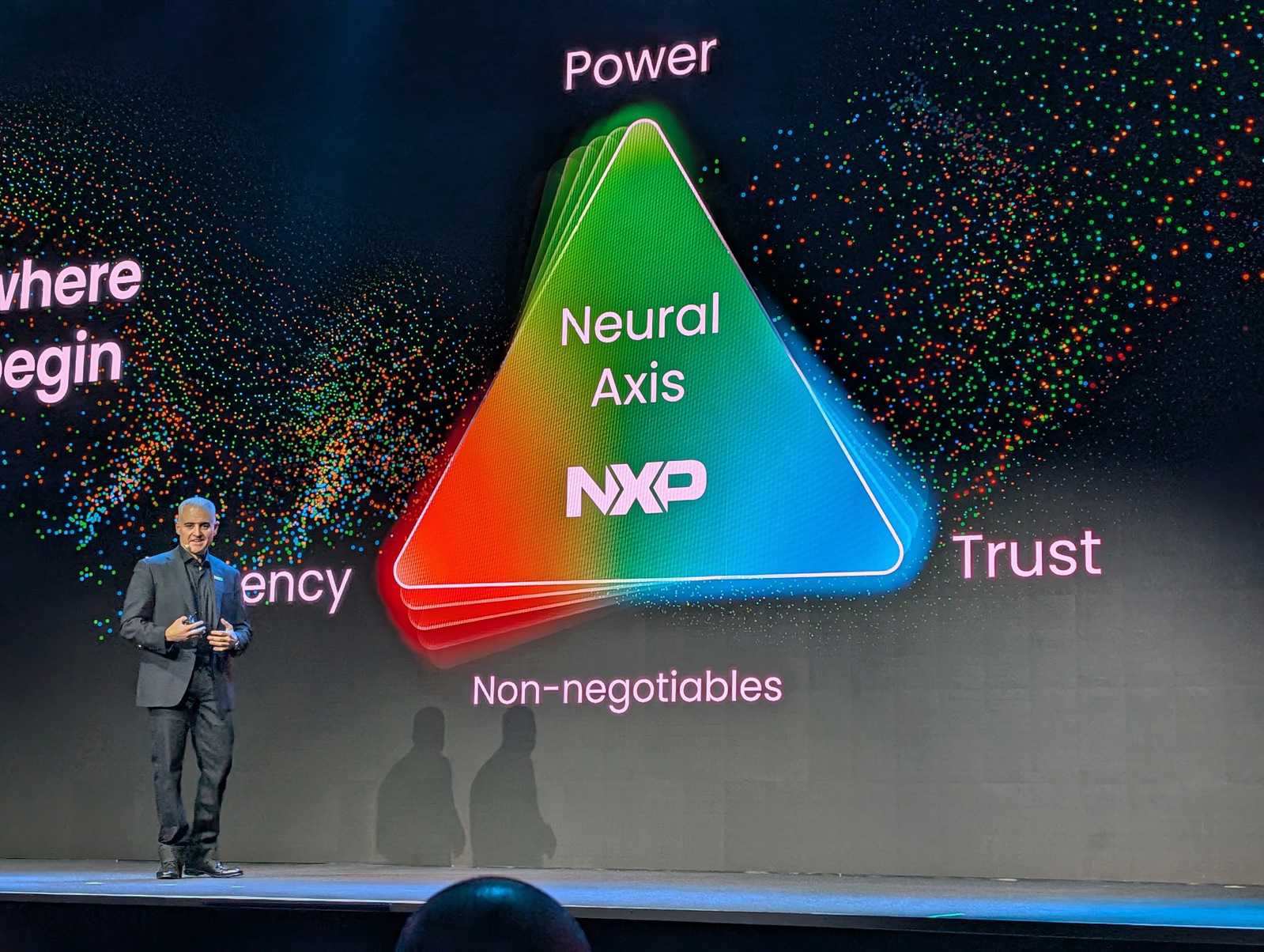
Physical AI earns its money when the machine finishes the job.
Where the strategy gets interesting
That is where Sotomayor's strategy becomes commercially interesting. A robot manufacturer has to make perception, movement and safety work together. NXP's March 16 collaboration with Nvidia−3.89% — Nvidia, down 3.89 percent today combines vision processing, motor control and networking around that problem. The inference: reducing the customer's integration work could help NXP win several parts of a machine's design together. The announcement provides no revenue evidence.4
The need exists outside NXP's presentations. Beckhoff's April 16 account of Dexterity's$1.65B — Dexterity, private, latest valuation $1.65B Mech describes separate motion and safety controls complementing its AI decision system. That demonstrates the engineering requirement, while also showing customers have other suppliers.5
The nearer test: data centers
The nearer commercial test is already in data centers. In April, management put 2025 revenue from those applications at about $200 million and forecast more than $500 million for 2026. Its chips help manage cooling, boards and infrastructure. Those sales already sit inside Industrial & IoT and Communications Infrastructure; adding them again would double-count the opportunity. This remains a company forecast.3
The skeptical read
The strongest skeptical reading is an industrial recovery wearing an AI label. Better factory utilization contributed to NXP's margin improvement, and the company has not isolated AI's contribution to the reported growth. That limits the valuation argument, but it does not erase the opportunity to sell more content into each machine.2
Sotomayor placed the humanoid opportunity around 2032 at the September conference. Investors have a nearer deadline: the full-year results. Watch whether data-center sales clear management's forecast and whether faster industrial growth accompanies stronger company cash flow.1
The next results need to show what customers actually bought.
Get Chips by email, free
How AI demand is reshaping chipmakers, memory and the fabs behind them. In our daily email, every weekday.