One unnamed customer is 56.8% of Alpha & Omega Semiconductor's revenue and 70.3% of its receivables
The 10-Q filed November 6 puts the same buyer behind 70.3% of its accounts receivable, at a company whose net loss just widened to $6.1 million. Most of what it is owed, and most of its AI growth case, now run through one customer.
 Richard Tangthree-minute read
Alpha & Omega Semiconductor−3.05% — Alpha & Omega Semiconductor, down 3.05 percent as of its last quote, a power-chip supplier to servers, PCs and smartphones, filed its quarterly report on November 6, a day after its earnings release 15. One line in the filing is the fact the release left out: a buyer identified only as Customer B took 56.8% of September-quarter revenue 1. None of the earnings coverage picked it up either 2347.
The growth is price, moving through a narrow channel
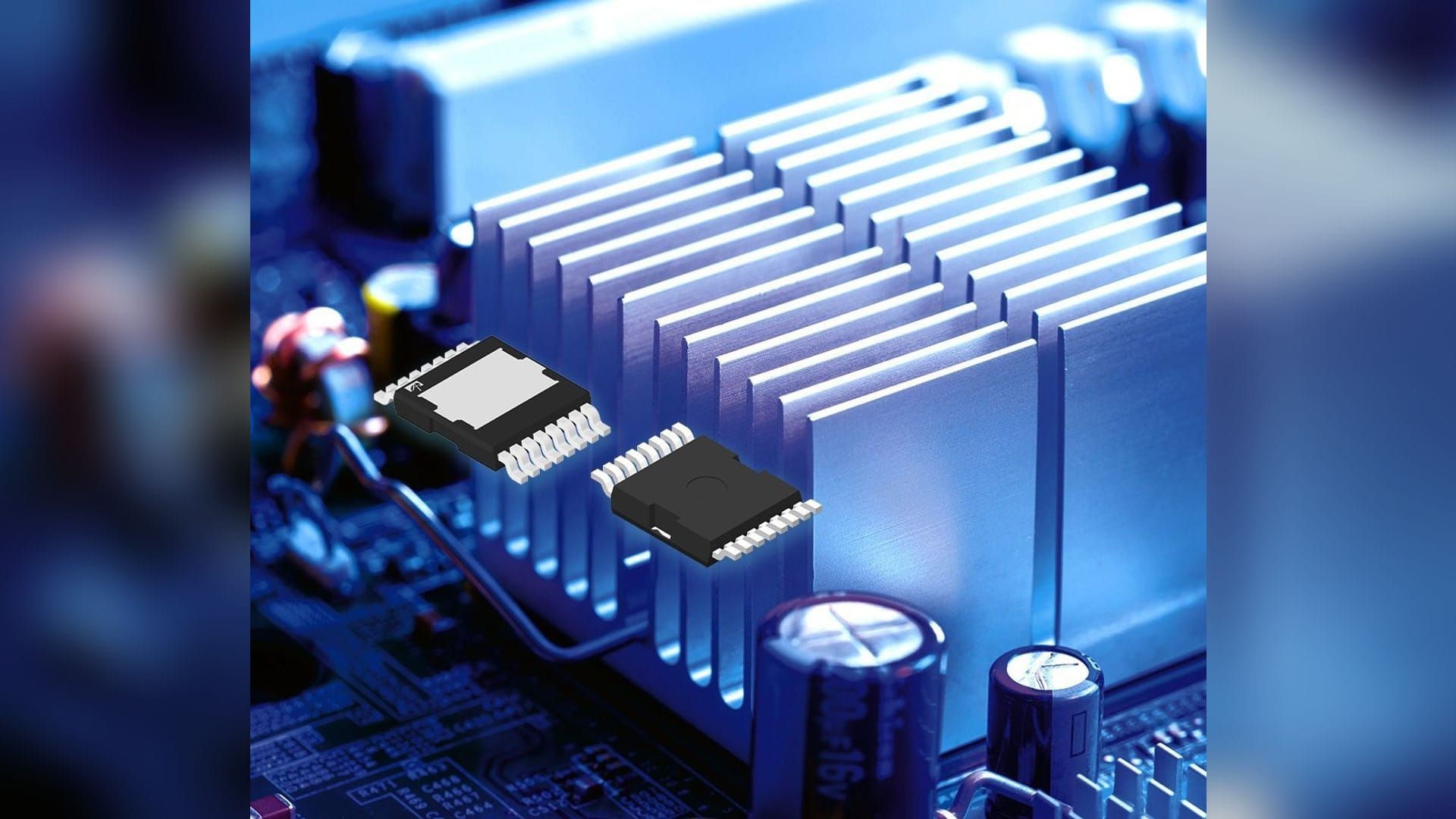
The chain from datacenter to filing runs through power delivery. AI servers need denser voltage conversion, and AOSL's medium-voltage MOSFETs, the transistor switches inside the intermediate bus converters that step down power in a server, are what that build-out buys 6. AI and server revenue grew 250% year over year to about a fifth of company revenue, from 5.5% a year earlier 56.
Revenue is rangebound and every recent quarter ended in a loss
- Revenue
- Net income
Data
| Revenue | Net income | |
|---|---|---|
| Sep 2025 | $182.5M | -$2.12M |
| Dec 2025 | $162.26M | -$13.29M |
| Mar 2026 | $163.79M | -$13.79M |
| Jun 2026 | $170.37M | -$13.06M |
| Sep 2026 | $177.76M | -$6.14M |
The mix shows the shape: discrete transistor revenue rose by more than a quarter while power-management chip revenue fell by nearly half, and unit shipments fell almost a fifth while average selling prices rose by a fifth 1. Nearly all of the quarter's revenue shipped through Hong Kong, where AOSL sells primarily through distributors 1. Fewer, larger, higher-priced orders through a narrow channel is the pattern that ends with one buyer taking half the quarter.
The dependence deepened as the story improved
Customer B was already more than half of revenue a year ago, and its share of receivables has climbed again since June 1. Customer A, the next-largest buyer, slipped to 15.3% of revenue from 21.8% 1. On the earnings call, chief executive Stephen Chang described an AI business spreading across power-supply makers and module makers, "a little more diversification than simply just going after one big opportunity" 6.
The customer table moves the other way. The net loss widened year over year even as gross margin improved 1, and December guidance of $170–190 million, growth in a usually softer quarter, likely holds only if the big buyer keeps ordering 367.
Customer B's share kept climbing on both measures
Data
| Value | |
|---|---|
| Revenue, Sep 2025 | 53.8% |
| Revenue, Sep 2026 | 56.8% |
| Receivables, Jun 2026 | 62.4% |
| Receivables, Sep 2026 | 70.3% |
A pause by Customer B would hit sales and collections together
Most of the receivables sit in one hand, so a pause would cut revenue and cash collection at once, and the loss would widen again 1. No public source names the buyer, and nothing filed shows whether it is stocking up or working inventory down.
The market values AOSL near $704 million on the AI story 4. That number rests on Customer B repeating its orders; it breaks if the buyer digests inventory or shifts suppliers, and it strengthens when a second large name shows up.
Next filing, read the customer table first. Until a second name appears beside Customer B, the AI turnaround and one buyer's order book are the same bet.
Get Chips by email, free
How AI demand is reshaping chipmakers, memory and the fabs behind them. In our daily email, every weekday.