Murata commits about $6.7 billion to capacitor capacity while warning some orders may have been pulled forward
Murata's trillion-yen capacitor build-out rests on a record order book its own presentation warns may include orders brought forward. Which reading is right decides whether holders paying about 31 times earnings own a step-change or a pull-forward.
 Richard Tangthree-minute read
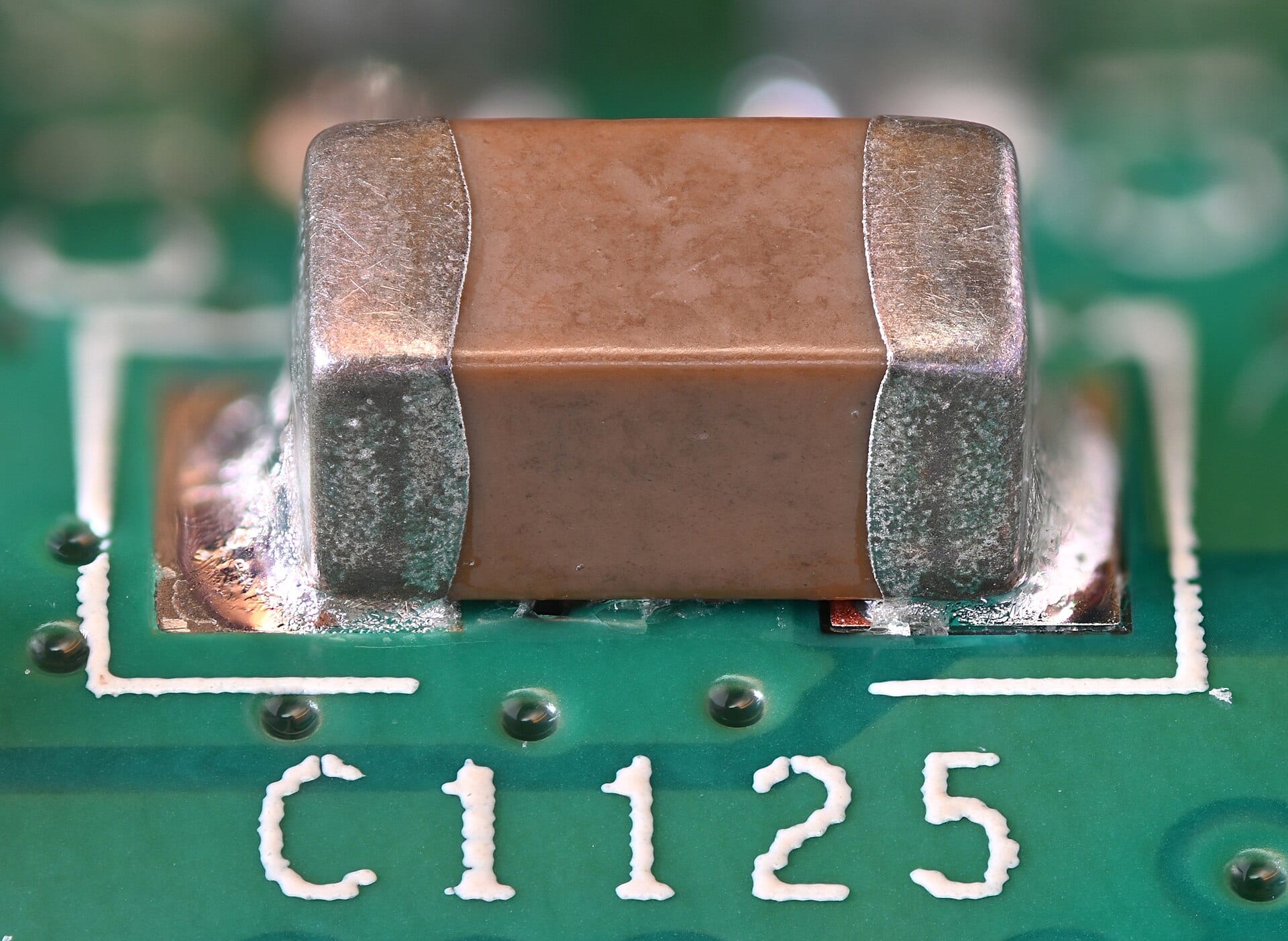
Murata Manufacturing, the Kyoto company that makes about 40 percent of the world's multilayer ceramic capacitors, will spend about ¥1 trillion over the five years to fiscal 2030 to expand output, targeting at least double last fiscal year's capacitor sales by 2030 1. The same day it lifted its full-year operating-profit forecast to ¥520 billion 2.
And the same deck carries a line the trillion-yen headlines have mostly left out: given more long-lead-time orders and concerns that orders in some applications may have been brought forward, Murata will keep watching the trends 2. Both halves are the news.
The demand is real at the power rail
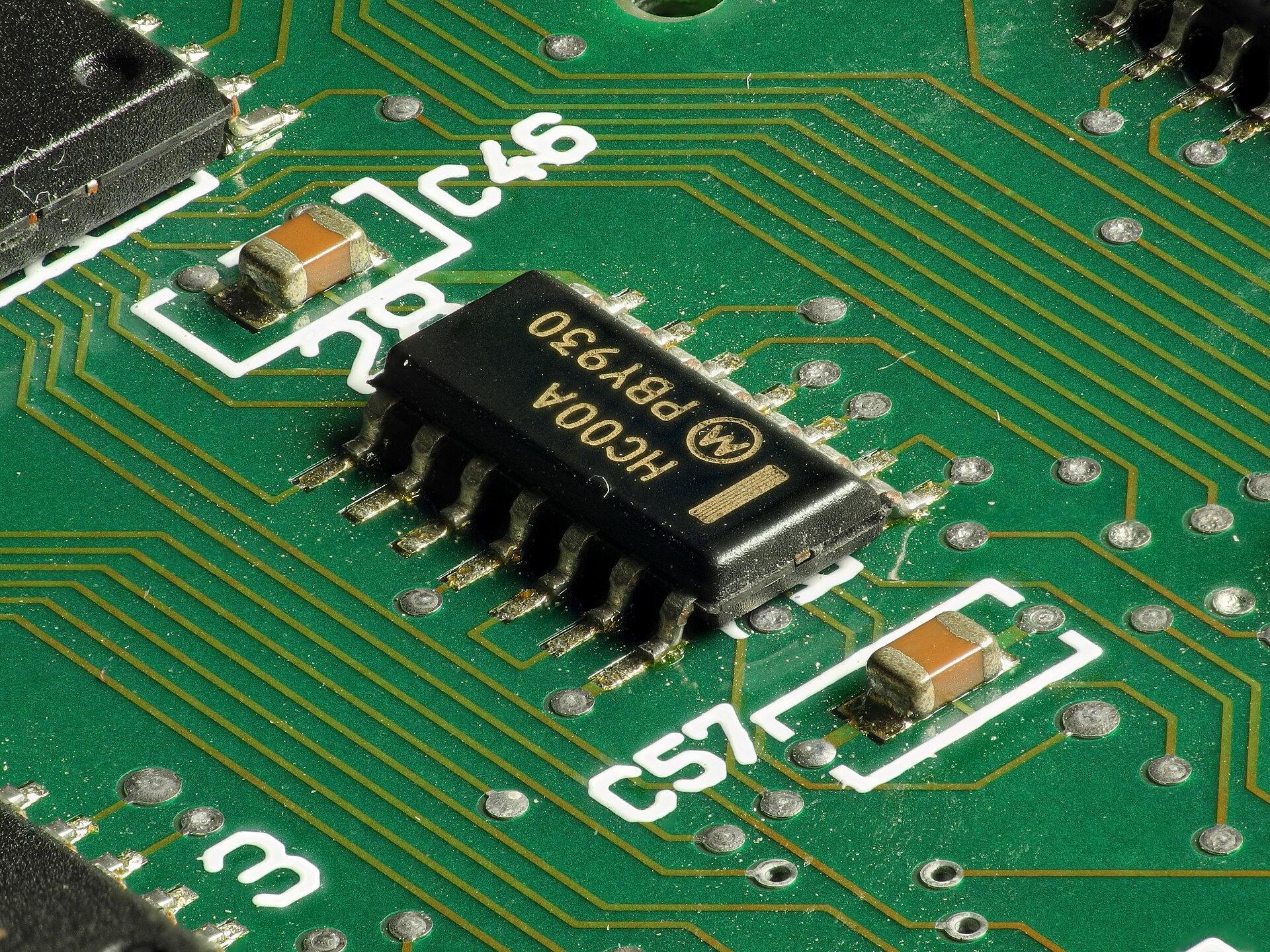
An AI accelerator draws hundreds of amperes, so one server board carries tens of thousands of these capacitors to absorb switching spikes 3. Murata's president said in October the company has been turning AI-server orders away 3.
Samsung Electro-Mechanics, the number two in the market, disclosed a one-year, $656 million AI-server capacitor contract the same week 4, and market researcher TrendForce expects the shortage of high-end parts to peak in the first half of 2027 as demand spreads beyond GPUs to server CPUs and memory 4. The first link of the chain, from AI spending to component demand, is measured, not projected.
Murata printed the error bars on its own record
July–September orders were a record ¥753 billion, and the book-to-bill ratio, orders over sales, has now run above 1 for four straight quarters after two years near parity 2. For capacitors alone it reached 1.39 2.
Murata's book-to-bill peaked at 1.34 and eased to 1.28
Orders outran sales for a fourth straight quarter, but the ratio eased from its peak
Data
| Book-to-bill | |
|---|---|
| Oct–Dec 2025 | 1.07 |
| Jan–Mar 2026 | 1.24 |
| Apr–Jun 2026 | 1.34 |
| Jul–Sep 2026 | 1.28 |
On the earnings call, the head of the capacitor business put a time and a cause on the caveat: rush requests came in the first half, when word of price increases spread, and orders since have been calm 2. The mechanism behind it is ordinary. A buyer who fears allocation orders early, and sometimes more than needed; every one of those contracts is real, and the consumption behind some of them arrives later, or never.
An order book counts contracts. It does not count capacitors bolted to boards.
Two camps, one order book
TrendForce read Murata's mid-year ratio as the highest since the pandemic and a shortage risk in the 2018 mold, with Apple's−0.45% — Apple, down 0.45 percent today supply chain buying one to two months early 2. Fellow Japanese capacitor maker Taiyo Yuden went further: its own capacitor book-to-bill accelerated to 1.83, and it is pulling its capacity plan forward by two years to more than double AI-server capacitor capacity next fiscal year 5.
Every order book is above parity, and Taiyo Yuden's runs hottest at 1.83
Japanese capacitor order books all sit above parity, with Taiyo Yuden's furthest above
Data
| Value | |
|---|---|
| Murata, group-wide | 1.28 |
| Murata, capacitors | 1.39 |
| Taiyo Yuden, capacitors | 1.83 |
Citi+0.56% — Citi, up 0.56 percent today analysts raised their target to ¥9,000 on November 6 6. Murata's note points the other way, and the market has already voted once: the stock fell as much as 8 percent on announcement day 1, hit Tokyo's maximum daily price fall on November 5 7, and closed Monday at ¥4,933. That is about 31 times earnings 8.
The spending starts after the answer
The trillion is committed, but Murata staged it. Heavy equipment spending ramps up from April 2028 2, the planned building at Yasugi has no date yet 1, and second-half production is set to match sales rather than build stock 2.
If pulled-forward orders are being worked through, the ratio slides toward 1 while sales hold 2. If the step-change is real, the ratio stays high while the planned second-half surge in data-center revenue lands 2. A shortage and a partially early order book can both be true at once. The AI build-out reaching Murata's power rails is measured; whether part of the record is borrowed from next year is the one link nobody can see, and Murata has scheduled the heavy spending so that six more quarters of order data arrive first. A company that prices its own doubt into the capex plan is the one worth trusting with the trillion.
Get Chips by email, free
How AI demand is reshaping chipmakers, memory and the fabs behind them. In our daily email, every weekday.